


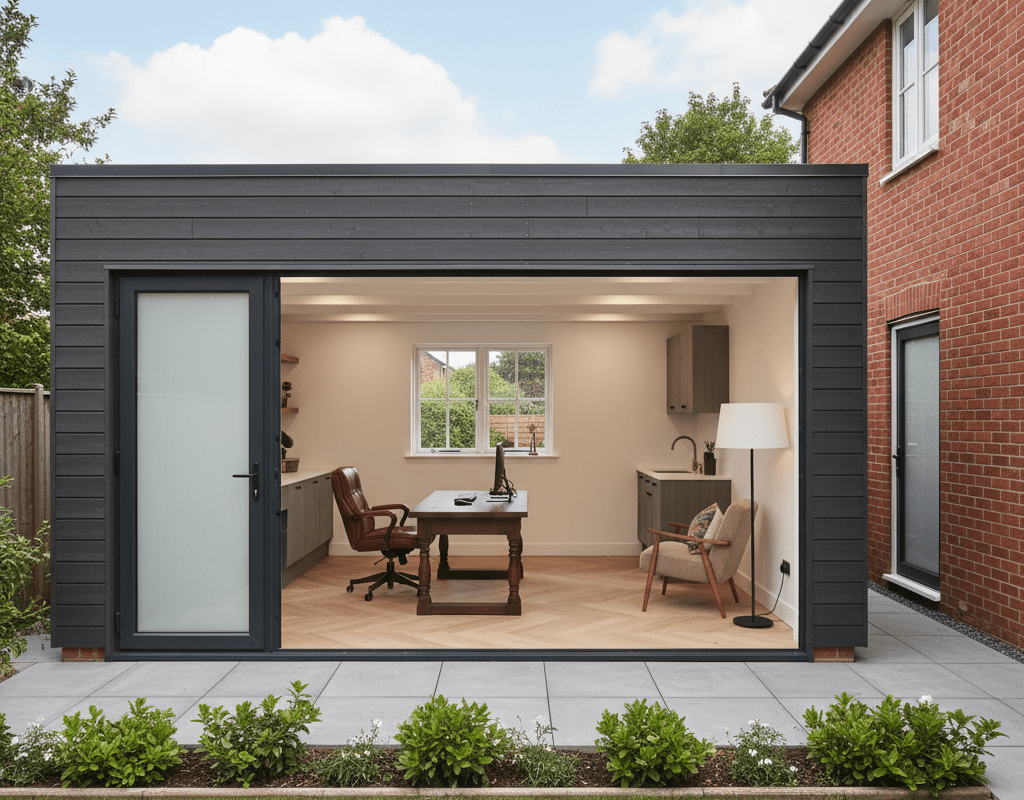


Circular construction practices UK have moved from a niche concept to a mandatory regulatory requirement for modern developments. By 2026, the industry has shifted its focus from linear ‘take-make-waste’ models to a restorative framework.
This evolution is driven by the latest UK Building Regulations and the urgent need for carbon neutrality. Whether you are managing a London renovation or a Manchester commercial build, understanding circularity is essential for project success.
The Rise of UK Urban Mining in 2026
UK urban mining has become a primary source of high-quality resources for the construction sector this year. Instead of extracting new raw materials, developers are now harvesting existing assets from the built environment.
* Material Mapping: Advanced digital twins now track the lifespan of every brick and steel beam.
* Resource Recovery: Cities like Birmingham and Leeds have established regional hubs for processing salvaged components.
* Cost Efficiency: With the 2026 carbon tax on virgin materials, urban mining is now the most economical choice.
Deconstruction vs Demolition: The Strategic Shift
When comparing deconstruction vs demolition, the 2026 landscape heavily favours the former for planning approvals. Deconstruction is the systematic disassembly of buildings to preserve the value of components.
Benefits of Deconstruction
- Higher Resale Value: Reclaimed structural timber and London stock bricks fetch premium prices.
- Lower Carbon Footprint: Embodied carbon stays within the loop rather than being released through crushing.
- Regulatory Compliance: New 2026 planning mandates often require a ‘Deconstruction Plan’ before site works begin.
Why Demolition is Fading
- Waste Penalties: High landfill taxes make traditional demolition financially non-viable.
- Noise and Dust: Strict urban environmental standards limit the use of heavy-duty wrecking equipment.
Advanced Construction Waste Management Strategies
Effective construction waste management is no longer just about skips and sorting. It involves a sophisticated logistics chain that prioritises reuse over recycling.
* On-site Processing: Modular crushers now turn masonry waste into certified aggregate on-site.
* Digital Waste Tracking: AI-powered platforms provide real-time data on waste streams for ESG reporting.
* Zero-Waste Sites: Many 2026 projects are achieving 98% diversion rates from landfill through meticulous planning.
The Market for Reclaimed Building Materials
Reclaimed building materials are the cornerstone of the circular economy in the UK. Designers are increasingly specifying weathered materials to add character and meet sustainability targets.
Top Reclaimed Materials in 2026
* London Stock Bricks: Highly sought after for extensions in conservation areas.
* Welsh Slate: Repurposed from 19th-century roofs for high-end contemporary flooring.
* Glulam Beams: Reused from decommissioned modular schools and offices.
* Aged Oak Flooring: Sourced from industrial deconstructions across the North of England.
Implementing Circularity in Residential Extensions
For homeowners, circular construction practices UK offer a way to future-proof property value. Using modular components allows for future adaptability and easier maintenance.
- Design for Disassembly: Ensure that new additions can be easily modified or removed in decades to come.
- Smart Procurement: Source materials from local reclamation yards to reduce transport emissions.
- Standardised Fittings: Use universal connections for mechanical and electrical systems to simplify upgrades.
Economic Outlook: The 2026 Circularity Dividend
Investing in circularity is no longer a cost burden; it is a financial strategy. Properties built using circular principles are seeing 15% higher valuations due to their lower operational risks.
* Insurance Incentives: Insurers are offering lower premiums for buildings with documented material passports.
* Grant Funding: The UK government has launched new subsidies for projects that demonstrate 100% circularity.
* Resale Strength: Houses built with reclaimed materials often sell faster due to their unique aesthetic appeal.