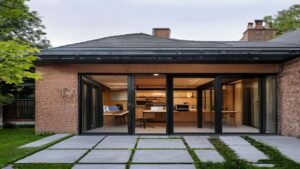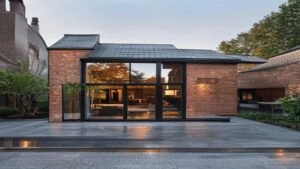
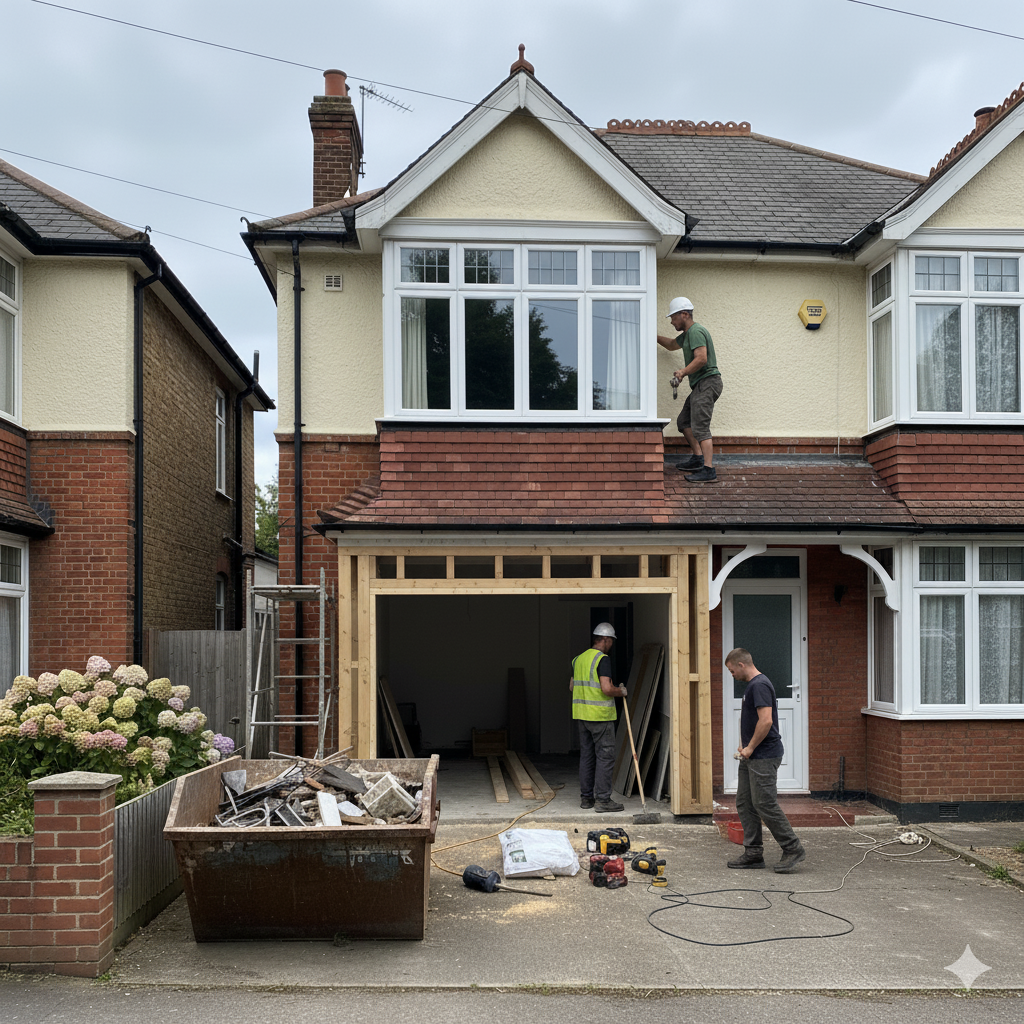
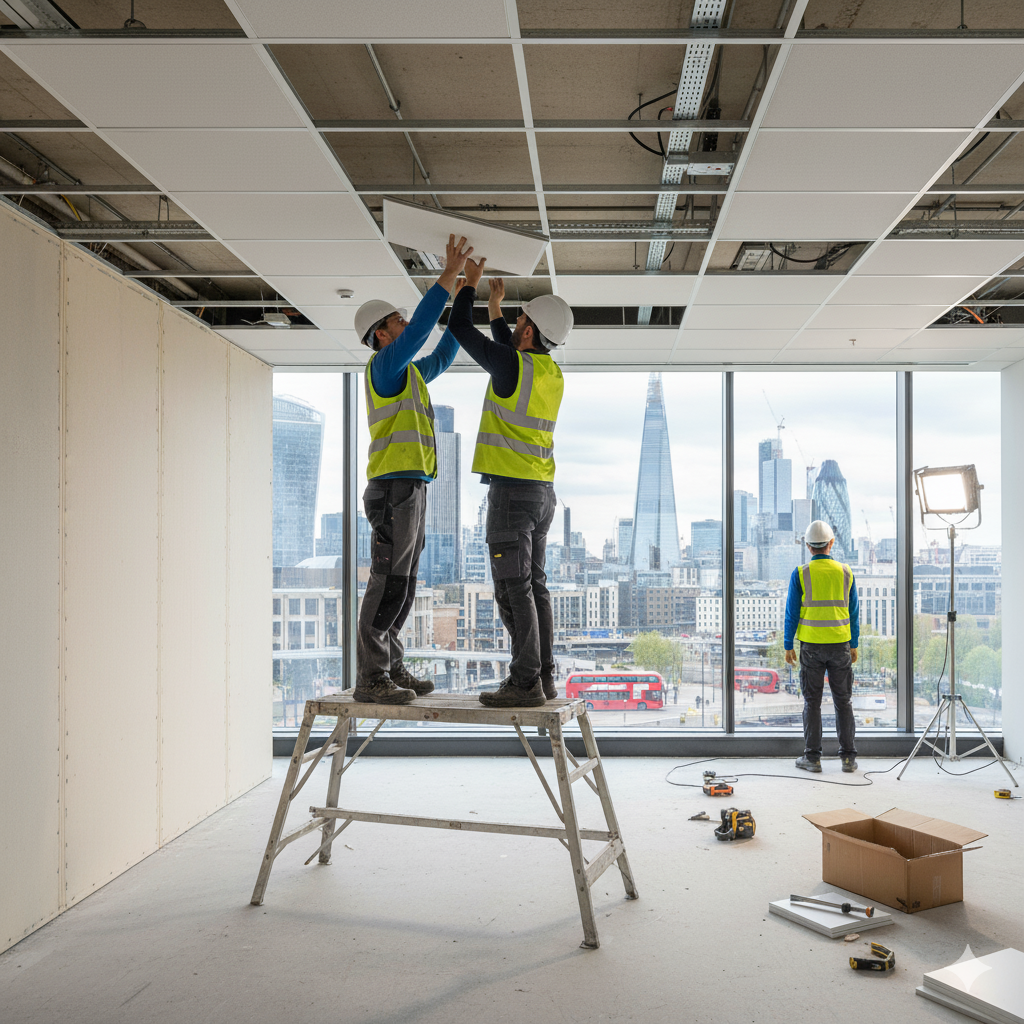
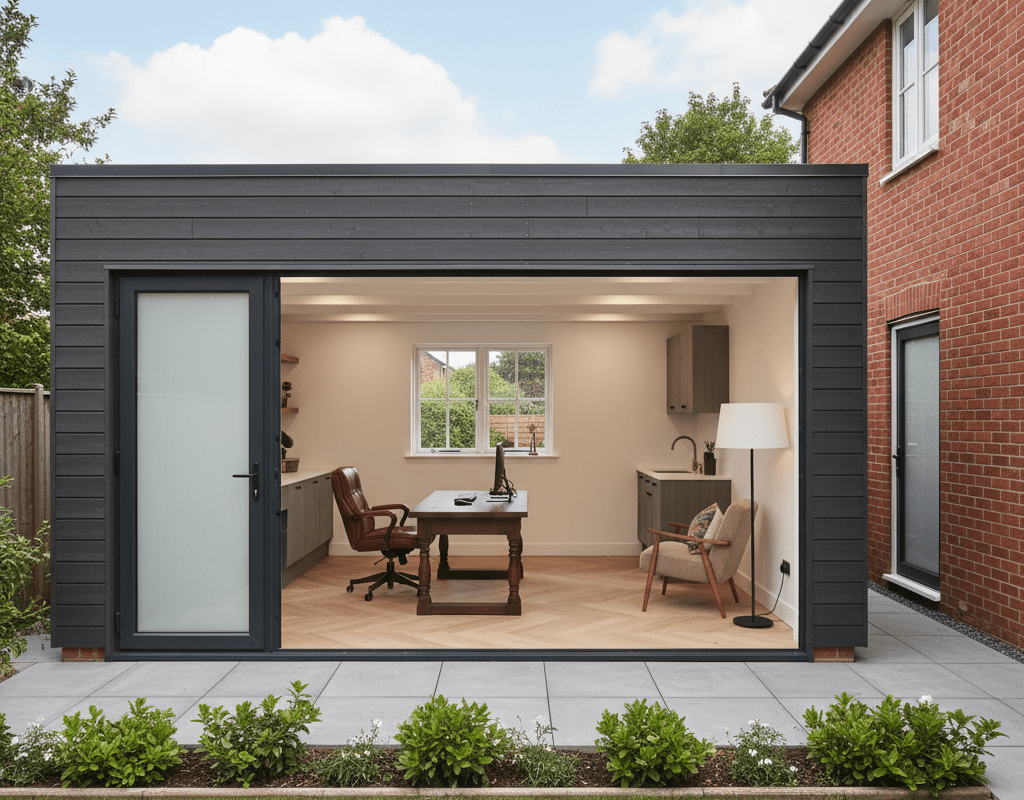


Net Zero House Extensions UK: Building for the Future in 2026
Building Net Zero house extensions UK has transitioned from a niche luxury to a standard requirement for forward-thinking homeowners. In 2026, the intersection of strict Part L building regulations and rising energy costs makes sustainable living essential.
Achieving an energy-neutral footprint requires more than just solar panels; it demands a holistic approach to construction. By prioritising house extensions that focus on thermal efficiency, you can significantly reduce your property’s long-term operational costs.
What Defines a Net Zero Extension in 2026?
A true Net Zero extension produces as much energy as it consumes over the course of a year. This is achieved through a combination of ultra-high insulation levels and on-site renewable energy generation.
Modern low carbon construction UK techniques now focus on the ‘Fabric First’ approach. This ensures the building envelope is airtight and thermally efficient before any mechanical heating systems are even considered.
Key Benefits of Sustainable Extension Design
Choosing a sustainable extension design offers numerous advantages beyond environmental protection. It enhances occupant comfort by maintaining stable indoor temperatures regardless of the British weather.
* Eliminated Energy Bills: Integrated battery storage and solar PV can make your new space entirely self-sufficient.
* Increased Property Value: Sustainable homes currently command a 15% premium in the UK property market.
* Future-Proofing: Compliance with 2026 building standards ensures you won’t face costly retrofits in the future.
* Healthier Living: Passive ventilation systems provide constant fresh air without losing precious heat.
Essential Technologies for Energy Neutral Home Additions
To achieve energy neutral home additions, builders in 2026 are utilising advanced materials. Vacuum Insulation Panels (VIPs) and aerogel blankets are now common in high-end London and Manchester renovations.
Properly managing your basement conversions or ground-floor extensions requires a deep understanding of thermal bridging. Every joint in the structure must be meticulously sealed to prevent heat leakage.
Modern Heating and Cooling Solutions
* Air Source Heat Pumps (ASHP): The primary heat source for most UK extensions, providing efficient low-grade heat.
* Mechanical Ventilation with Heat Recovery (MVHR): A system that extracts stale air while capturing its heat to warm incoming fresh air.
* Phase Change Materials (PCM): Boarding that absorbs heat during the day and releases it at night to regulate temperature.
Navigating 2026 UK Building Regulations
The 2026 updates to Part O (Overheating) and Part L (Conservation of Fuel and Power) have set the bar higher than ever. All Net Zero house extensions UK must now undergo rigorous pressure testing to prove airtightness.
When planning your loft conversions, you must account for solar gain. Large glass expanses now require specialised solar-control coatings to prevent the greenhouse effect during summer months.
The Cost of Low Carbon Construction UK
While the initial capital expenditure for low carbon construction UK is approximately 10-15% higher than traditional builds, the ROI is faster than ever. Current energy price forecasts suggest a five-year payback period for most energy-neutral upgrades.
Materials for a Greener Extension
Material choice is a cornerstone of sustainable extension design. In 2026, we see a massive shift towards bio-based materials that sequester carbon rather than emitting it.
* Cross-Laminated Timber (CLT): A strong, lightweight alternative to steel that stores carbon within the structure.
* Hempcrete: A breathable, carbon-negative walling material providing excellent insulation and moisture control.
* Recycled Zinc Cladding: A durable, low-maintenance finish that is 100% recyclable at the end of its life.
Step-by-Step Guide to Planning Your Net Zero Project
Starting your journey toward a Net Zero home requires careful orchestration of consultants and contractors. It is vital to hire a team familiar with the 2026 sustainability standards.
* Feasibility Study: Assess your site’s solar orientation and potential for renewable energy.
* Thermal Modelling: Use software to predict the energy performance of your extension before building starts.
* Contractor Selection: Ensure your builder has experience with airtightness membranes and MVHR installations.
* Post-Occupancy Evaluation: Monitor your energy usage for 12 months to ensure the building performs as designed.
Overcoming Common Challenges
One major challenge in energy neutral home additions is the ‘Performance Gap.’ This occurs when a building does not perform as well as the computer model predicted due to poor site execution.
Rigorous on-site quality control is the only way to avoid this. Inspecting insulation installs before they are covered by plasterboard is a mandatory step in 2026 project management.
Conclusion: The New Standard for UK Living
Investing in Net Zero house extensions UK is no longer just about ‘doing your bit’ for the planet. It is a calculated financial decision that protects your home’s value and your future comfort.
By embracing low carbon construction UK, you create a space that is resilient, economical, and beautiful. Start your sustainable journey today by consulting with experts who understand the 2026 regulatory landscape.