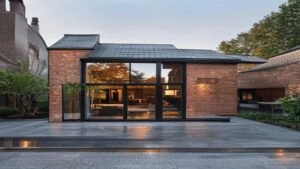
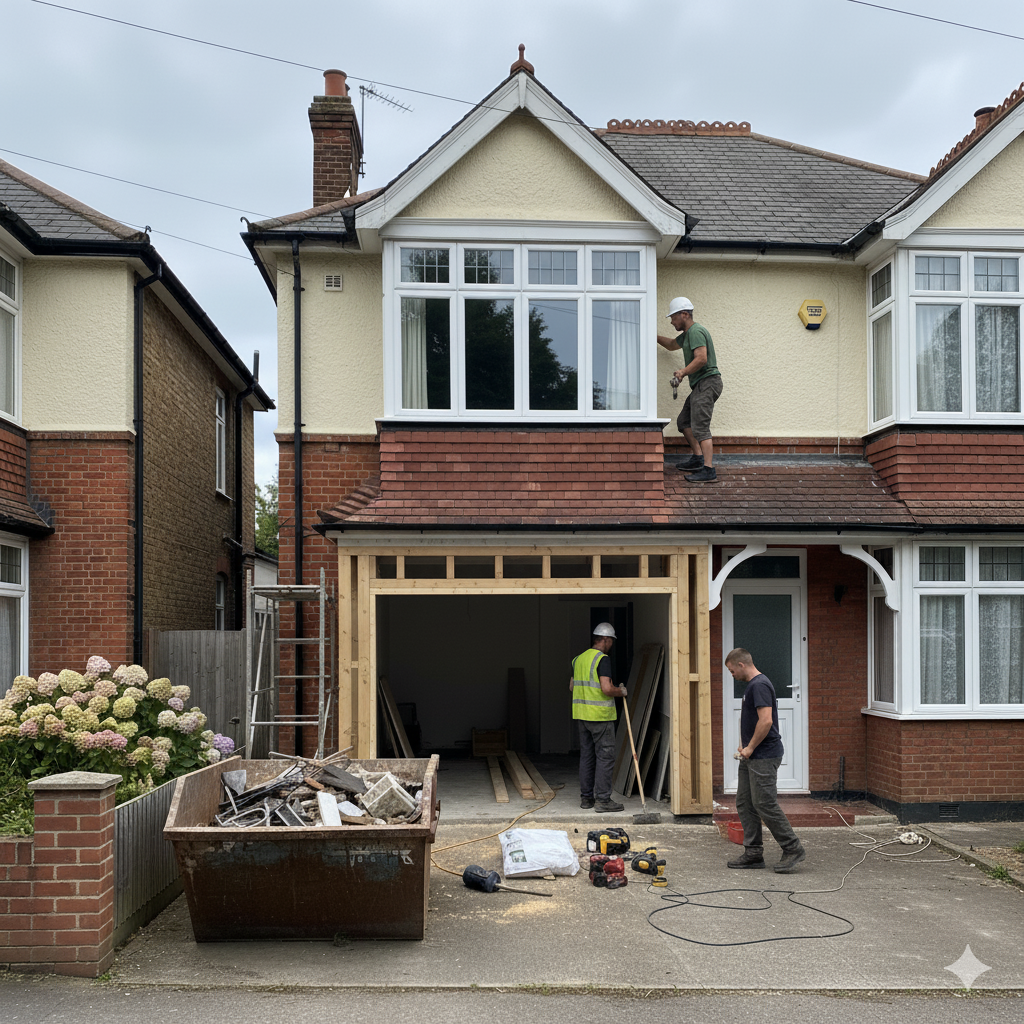
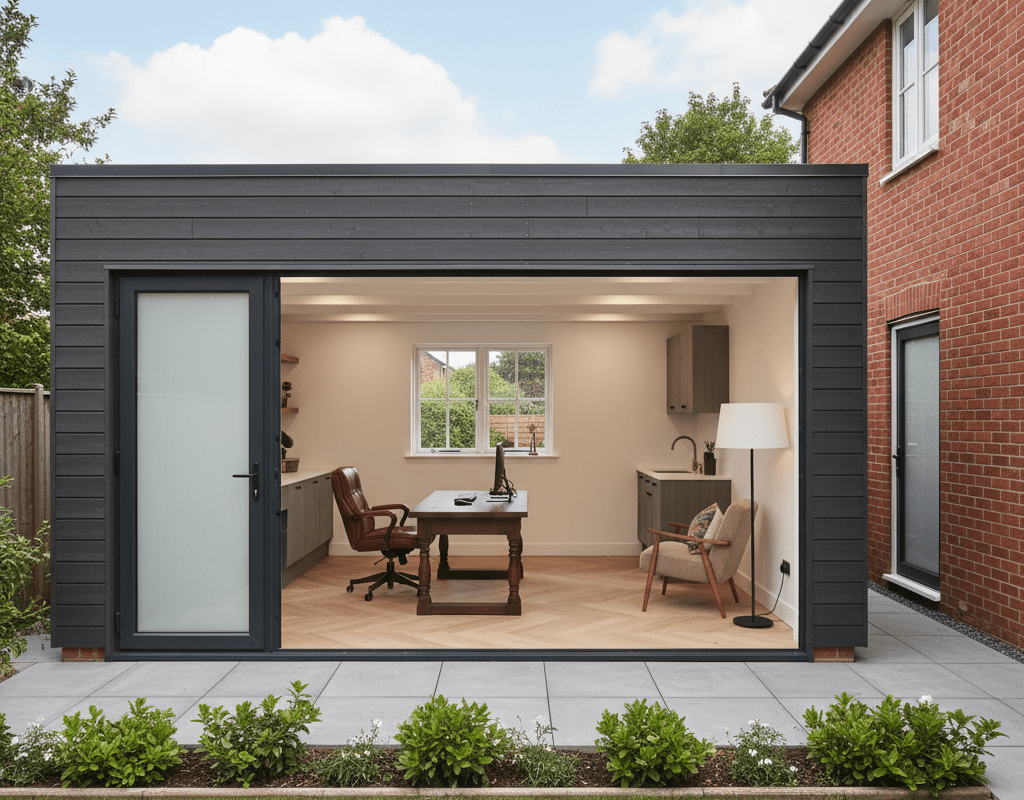


Timber Frame Extensions UK: The 2026 Construction Guide\n\nTimber frame extensions UK projects have reached an all-time high in 2026 as homeowners prioritise speed and sustainability. These structures offer a lightweight, high-performance alternative to traditional builds.\n\nWith the latest updates to UK building regulations, choosing the right frame is critical for compliance and comfort. This guide explores why timber is now the leading choice for modern house extensions.\n\n## Why Choose Timber Frame Extensions in 2026?\n\nThe construction landscape has shifted significantly toward off-site manufacturing and rapid onsite assembly. Timber frames allow for a weather-tight shell to be completed in a matter of days rather than weeks.\n\nHomeowners are increasingly opting for these systems to minimise onsite disruption and waste. Modern timber technology ensures these extensions are as durable as their brick counterparts.\n\n### Key Benefits of Timber Construction\n\n Rapid Speed of Build:** Prefabricated components are delivered and assembled with precision.\n* **Superior Thermal Performance:** Timber naturally insulates better than steel or masonry.\n* **Sustainability:** Timber acts as a carbon sink, sequestering CO2 throughout its lifespan.\n* **Design Flexibility:** Larger spans and open-plan layouts are easier to achieve with wood.\n\n## Sustainable Timber Construction and Net Zero Goals\n\nIn 2026, sustainable timber construction is no longer a niche choice but a regulatory necessity. The UK’s commitment to Net Zero has placed a spotlight on the embodied carbon of building materials.\n\nTimber frames require significantly less energy to produce than concrete or steel. By choosing wood, you are actively reducing the environmental footprint of your home renovation.\n\n### Low Carbon Building Materials\n\nUsing eco-friendly building frames helps meet the stringent Part L requirements for energy efficiency. These frames allow for thicker insulation layers without increasing the overall wall thickness significantly.\n\nThis efficiency results in lower heating bills and a more stable internal climate. It is the gold standard for environmentally conscious property owners in London and the Southeast.\n\n## Cross-Laminated Timber UK: The Premium Choice\n\nCross-laminated timber UK (CLT) has become the go-to material for high-end, architecturally led extensions. CLT consists of layers of structural grade timber glued at right angles to create massive panels.\n\nThese panels provide incredible structural strength and can be left exposed internally for a beautiful, biophilic aesthetic. It is particularly popular in urban areas like Manchester and Birmingham for its acoustic properties.\n\n### Why CLT is Gaining Popularity\n\n1. **Aesthetic Appeal:** The natural wood grain creates a warm, modern interior finish.\n2. **Structural Integrity:** CLT can support heavy loads over wide, unobstructed spans.\n3. **Airtightness:** Precision factory cutting ensures airtight joints, essential for Passivhaus standards.\n4. **Fire Resistance:** Large timber sections char at a predictable rate, maintain structural stability longer than steel.\n\n## Timber Frame vs Masonry: Which is Right for You?\n\nWhen comparing timber frame vs masonry, the decision often comes down to budget, timeline, and site access. While masonry remains traditional, timber is often more cost-effective for complex residential renovations.\n\nTimber frames are significantly lighter than brick and block, which can reduce the cost of foundation works. This is especially beneficial in areas with poor soil quality or restricted access.\n\n### Comparison Overview\n\n* **Construction Speed:** Timber is up to 30% faster than traditional masonry builds.\n* **Weather Dependency:** Timber frames can be erected in wet weather, unlike mortar-based builds.\n* **Wall Thickness:** Timber walls can be thinner while providing the same U-value as thicker masonry.\n* **Acoustics:** Masonry provides better natural sound insulation, though timber can match this with modern membranes.\n\n## Navigating 2026 Building Regulations (Part O and Part L)\n\nThe 2026 updates to Part L (Fuel and Power) and Part O (Overheating) have changed how we design extensions. Timber frame extensions UK wide must now feature advanced glazing and ventilation to prevent summer overheating.\n\nOur team at In-Hire ensures every project meets these rigorous standards through integrated design. We focus on high-performance membranes and sustainable insulation materials like wood fibre or sheep’s wool.\n\n## Costs of Timber Frame Extensions in 2026\n\nBudgeting for a timber frame project requires an understanding of current UK material prices and labour rates. While the initial material cost might be higher, the reduced labour time often balances the total investment.\n\nOn average, expect to pay between £2,200 and £3,000 per square metre for a high-specification timber build. This price includes modern smart home integration and high-efficiency glazing systems.\n\n### Factors Affecting Your Budget\n\n* **Material Quality:** Prices vary between standard softwood frames and premium CLT panels.\n* **Site Location:** Logistics in central London or the Cotswolds may incur higher transport fees.\n* **Cladding Choice:** External finishes like zinc, charred cedar, or traditional brick slips impact costs.\n* **Glazing Specifications:** Triple glazing is now standard for meeting 2026 energy targets.\n\n## The Process of Installing an Eco-Friendly Building Frame\n\nStarting your journey begins with a detailed structural design and planning application. Many timber extensions fall under ‘Permitted Development,’ but professional advice is essential for commercial conversions or large residential projects.\n\nOnce the design is finalised, the frame is manufactured in a controlled factory environment. This ensures millimetre precision that cannot be replicated with traditional onsite bricklaying.\n\n### Step-by-Step Installation\n\n1. **Foundations:** Groundworks are completed while the frame is being manufactured off-site.\n2. **Delivery:** The timber kit is delivered to the site, often in a single day.\n3. **Erection:** A specialist team assembles the wall panels and roof structure.\n4. **Weatherproofing:** Breathable membranes are applied to protect the structure immediately.\n5. *Fitting Out: Internal trades can begin work as soon as the shell is watertight.\n\n## Future-Proofing Your Home with Timber\n\nInvesting in a timber frame extension is a way to future-proof your property against rising energy costs. The adaptability of timber makes it easier to modify or expand your home in the future.\n\nAs the UK moves towards a circular economy, the deconstruction and recycling potential of timber is a major asset. It is a choice that benefits both the homeowner and the planet.\n\n## Conclusion\n\nTimber frame extensions UK represent the pinnacle of modern, efficient, and sustainable home improvement. Whether you choose CLT or a standard eco-friendly building frame, the results are fast, beautiful, and compliant with 2026 standards.\n\nReady to start your project? Contact In-Hire today to discuss your vision with our expert construction consultants.\n\n”,”internalLinks”:[“https://in-hire.co.uk/services/house-extensions”,”https://in-hire.co.uk/services/renovations”,”https://in-hire.co.uk/services/commercial-conversions”],”faqs”:[{“question”:”Are timber frame extensions cheaper than brick?”,”answer”:”In 2026, while material costs are comparable, the reduced labour time and lighter foundations often make timber frame extensions more cost-effective overall.”},{“question”:”How long do timber frame extensions last?”,”answer”:”Modern timber frame extensions are designed to last over 60 years, matching the longevity of traditional masonry when properly maintained.”},{“question”:”Is a timber frame extension fire safe?”,”answer”:”Yes, timber frames meet all UK fire safety regulations through the use of fire-rated plasterboard and the natural charring properties of structural timber.”}],”cta”:”Contact In-Hire today for a professional consultation on your 2026 timber frame extension project.”,”imagePrompt”:”High-end architectural photography of a modern timber frame extension on a London Victorian terrace. The extension features charred timber cladding and floor-to-ceiling slimline aluminium glazing. Shot during golden hour with warm light hitting the natural wood textures. 35mm lens, f/8, crisp detail, cinematic lighting, professional magazine style, 8k resolution.”,”imageAlt”:”A modern timber frame extension with charred cedar cladding and large glass doors on a UK period home.”}“`Of course! Here’s a definitive, industry-leading SEO blog post for