

The Ultimate Guide to a Water Efficient Bathroom UK (2026 Edition)
Creating a water efficient bathroom UK is no longer just a trend for the eco-conscious homeowner. In 2026, it has become a fundamental requirement under the latest UK Building Regulations and the Future Homes Standard.
With rising utility costs and stricter environmental targets, optimising your bathroom’s consumption is essential for property value. This guide explores how modern technology and smart design can reduce your water footprint without sacrificing luxury.
Why Water Efficiency Matters in 2026
The UK construction landscape has shifted significantly towards net-zero goals over the last five years. Modern homeowners now prioritise sustainability alongside aesthetics when planning a renovation.
A water efficient bathroom UK helps mitigate the impact of seasonal water shortages and reduces the energy required for water heating. By choosing high-performance fittings, you contribute to a circular economy while saving money on monthly bills.
Essential Components of a Sustainable Bathroom
To achieve true efficiency, you must consider the entire plumbing ecosystem of your home. Start by evaluating your high-traffic fixtures and identifying where the most significant savings can be made.
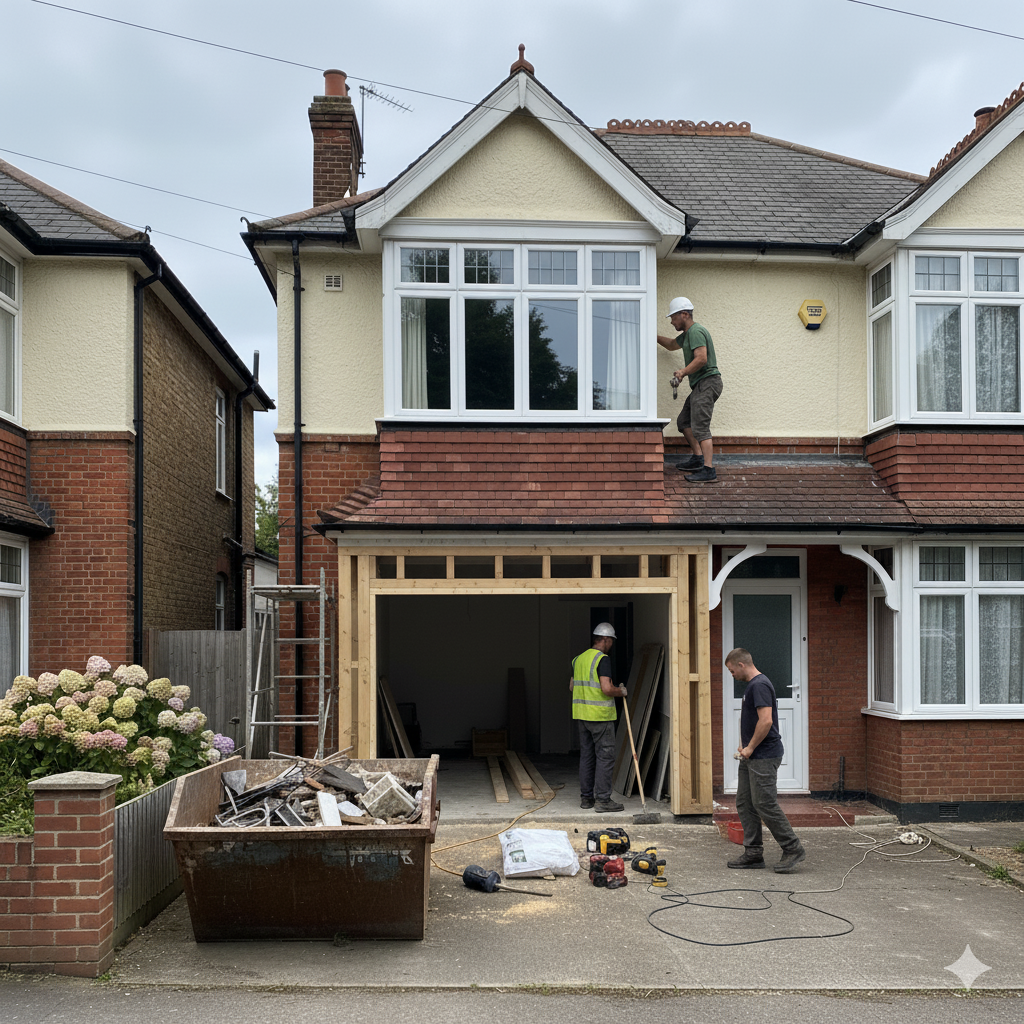
Integrating a professional house extension often provides the perfect opportunity to rethink your plumbing layout. This allows for the installation of advanced pipework that supports high-efficiency systems from the ground up.
Low Flow Shower Heads and Smart Controls
Low flow shower heads are the cornerstone of any sustainable bathroom project in 2026. These devices use aerating technology to maintain high pressure while using up to 50% less water than traditional models.
Modern digital showers also allow you to set precise timers and temperature limits via smartphone apps. This ensures that no water is wasted during the warm-up phase, aligning with the latest Part L building standards.
The Rise of the Greywater Recycling System
A greywater recycling system is now a standard feature in high-end UK residential developments. These systems collect water from showers and basins, treat it, and repurpose it for toilet flushing or garden irrigation.
While the initial investment is higher, the long-term reduction in mains water reliance is substantial. Most 2026 systems are compact enough to fit within a standard utility cupboard or under-floor void.
Luxury Design: Wet Room Installation UK
A wet room installation UK offers a sleek, contemporary aesthetic that naturally supports water efficiency. By removing bulky trays and enclosures, you create a seamless space that is easier to clean and maintain.
When planning a bespoke loft conversion, a wet room is often the most space-efficient way to add an en-suite. These installations utilise tanking membranes and linear drains that are designed for high-performance drainage and longevity.
Benefits of Modern Wet Rooms
* Accessibility: Level-access flooring makes the bathroom future-proof for all ages.
* Space Optimisation: Open-plan designs make small UK bathrooms feel significantly larger.
* Enhanced Value: High-quality wet rooms are a major selling point for premium UK properties.
* Sustainability: Easier to integrate with floor-level heat recovery systems.
Materials and Finishes: Eco Friendly Bathroom Tiles
Choosing eco friendly bathroom tiles is the next step in your sustainable design journey. In 2026, manufacturers are focusing on carbon-neutral production and the use of recycled porcelain and glass.
Look for tiles with high recycled content and those sourced from UK-based manufacturers to reduce transport emissions. Natural stone and reclaimed timber accents are also popular for adding warmth to a sterile bathroom environment.
Popular Material Choices for 2026
Meeting the Future Homes Standard
The 2026 updates to the Future Homes Standard have introduced stricter limits on water consumption per person. New builds and major renovations must now prove they can operate on less than 110 litres per person per day.
Achieving this requires a combination of low-flow taps, dual-flush toilets, and smart leak detection systems. Working with an expert kitchen and bathroom fitter ensures your project remains fully compliant with these evolving regulations.
The Cost of Sustainability in 2026
While material costs for timber and aluminium have stabilised, high-tech water-saving components remain a premium investment. However, the ROI is seen through reduced utility costs and increased RICS property valuations.
* Low-flow fixtures: £150 – £450 per unit.
* Greywater systems: £2,500 – £6,000 depending on capacity.
* Eco-tiles: £45 – £120 per square metre.
* Wet room tanking: £800 – £1,500 (labour and materials).
Maintenance and Long-Term Performance
A water efficient bathroom UK requires regular maintenance to ensure its mechanical components continue to function optimally. Scale build-up in hard water areas like London and the South East can affect aerator performance.
Ensure you install a high-quality water softener or electronic scale inhibitor at the point of entry. This protects your investment and ensures your low-flow shower heads maintain their factory-standard performance for years.
Summary of Sustainable Bathroom Trends
* Smart Integration: Sensors that track water usage and alert homeowners to hidden leaks via central hubs.
* Biophilic Design: Incorporating live plants that thrive in humid environments to improve air quality.
* Circular Materials: Moving away from single-use plastics towards circular, repairable brassware.
* Heat Recovery: Capturing heat from wastewater to pre-warm incoming cold water feeds.
By following these 2026 standards, your bathroom will be at the forefront of UK sustainable living. It provides a sanctuary that is as kind to the planet as it is to your well-being.