

Acoustic Dry Lining for Modern Living: The 2026 UK Standard
Creating a tranquil home environment is no longer a luxury but a structural necessity in 2026. As we embrace more dense urban environments and flexible home-working, Acoustic Dry Lining for Modern Living has become the industry benchmark for comfort.
With the rise of the Future Homes Standard, sound insulation is now as critical as thermal efficiency. Homeowners are increasingly prioritising peace and quiet to maintain mental well-being in busy UK metropolitan areas.
The Evolution of Soundproof Partitioning 2026
In 2026, soundproof partitioning 2026 technology has moved beyond simple insulation. We now utilise high-density hybrid systems that combine mass-loaded vinyl with advanced decoupled framing.
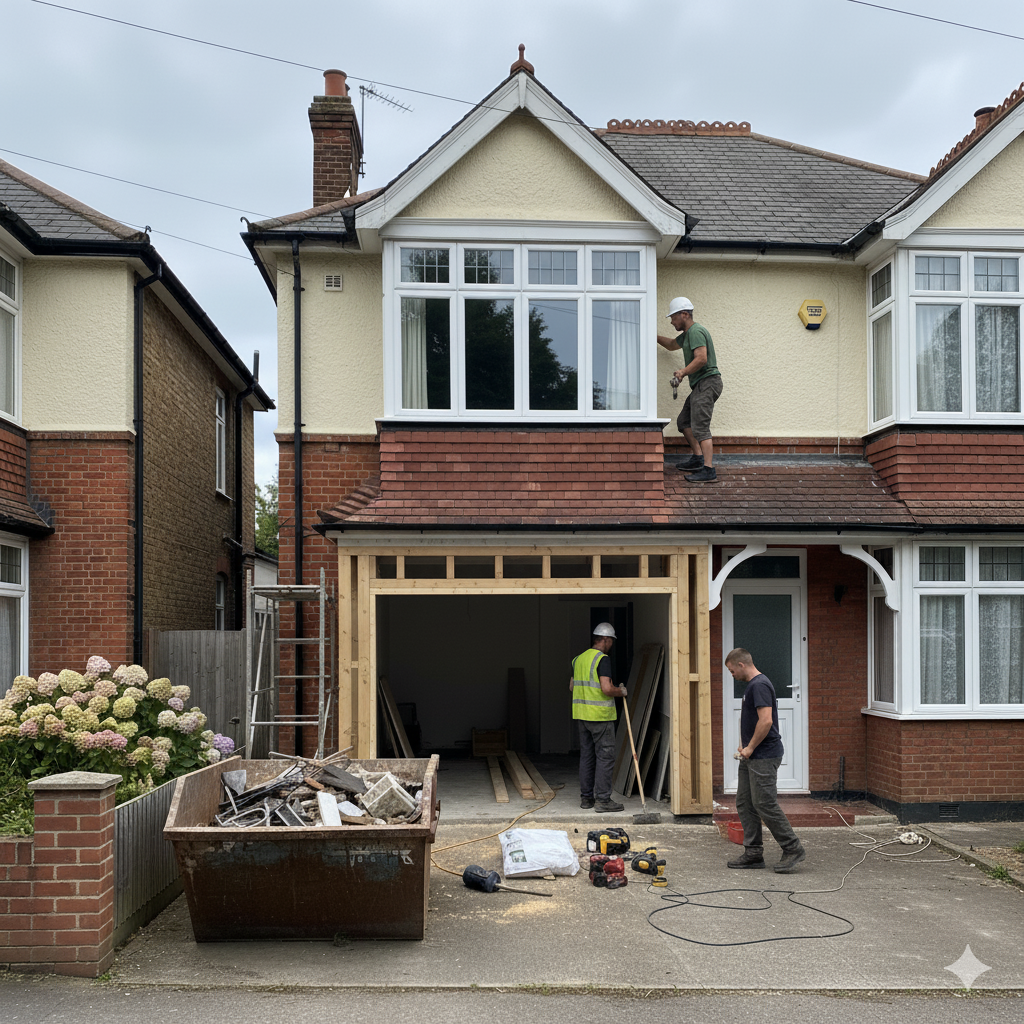
These systems are essential for modern high-performance house extensions. They ensure that new living spaces remain shielded from external noise pollution and internal mechanical sounds.
Why Soundproofing Matters in 2026
Modern UK homes often feature open-plan designs that can act as echo chambers. Acoustic dry lining provides the necessary density to absorb these sound waves effectively.
Our current projects often focus on isolating home cinemas and home offices. This allows for a harmonious balance between leisure and professional productivity within the same residence.
Understanding Part E Building Regulations UK
Compliance with Part E building regulations UK is mandatory for all new builds and conversions. These regulations dictate the minimum standards for resistance to the passage of sound between dwellings.
In 2026, these standards have been tightened to reflect the higher usage of home-based technology. Achieving these targets requires a precision-engineered approach to wall and floor construction.
Key Requirements for Part E Compliance
* Minimum airborne sound insulation values for internal walls.
* Impact sound transmission limits for floors in multi-storey builds.
* Specific laboratory-tested decibel ratings for all partitioning materials.
* Strict onsite testing protocols to ensure installation matches design specifications.
Professional Acoustic Plasterboard Installation
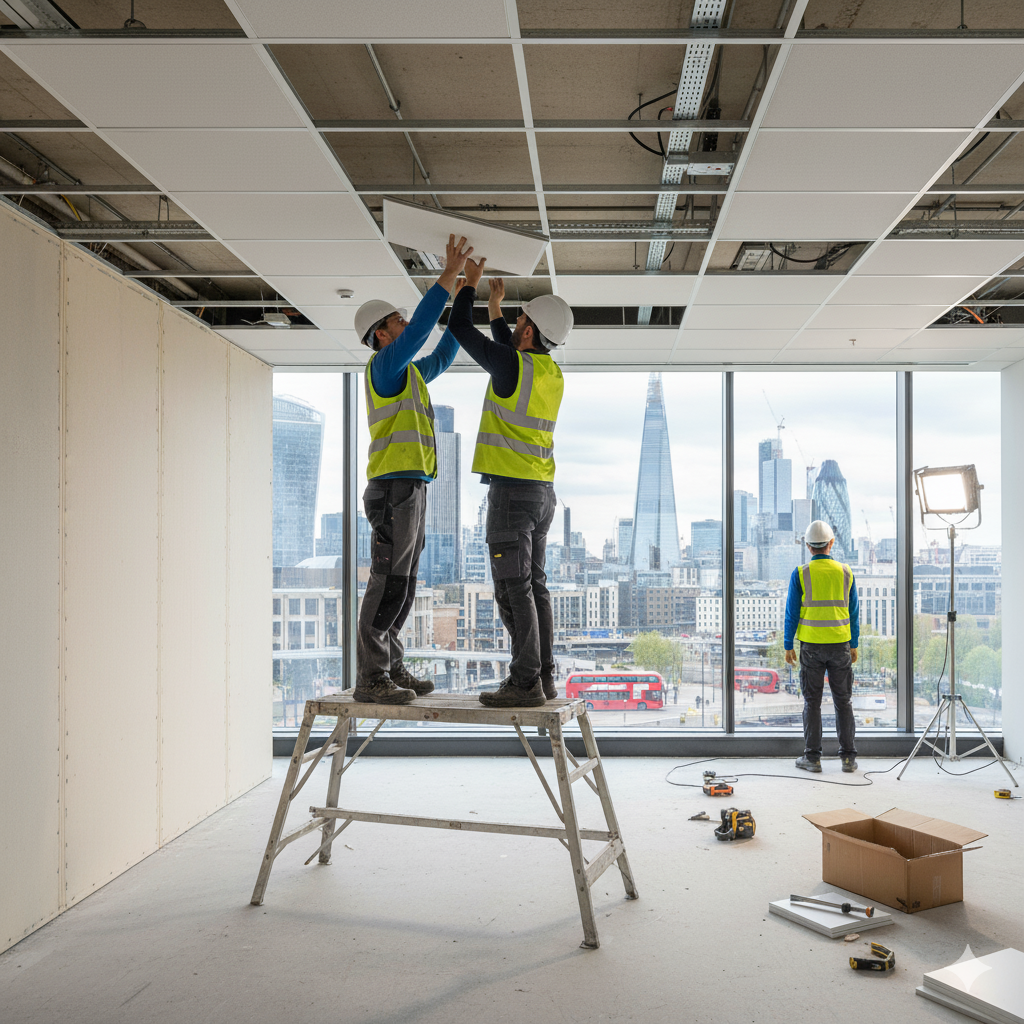
High-quality acoustic plasterboard installation involves more than just standard fixing. It requires the use of high-density blue boards that feature a reinforced core to dampen vibrations.
When we undertake loft conversions, these boards are essential. They prevent noise from the street from penetrating through the roof and upper walls.
The Installation Process for Best Results
Designing a Multi-Generational Living Layout
As property costs remain high in 2026, the multi-generational living layout has become the preferred choice for many UK families. This trend requires strategic acoustic planning to ensure privacy for all residents.
Integrating acoustic dry lining between floors and bedroom walls is vital. It allows different generations to live together without compromising their individual peace and quiet.
Privacy Solutions for Large Families
By using soundproof partitioning, we can create ‘quiet zones’ within a busy household. This is particularly useful for families with young children or elderly relatives who require rest.
Our bespoke renovation services focus on these acoustic details from the initial design phase. We ensure that your home’s layout supports a collaborative yet private lifestyle.
Advanced Materials for 2026 Acoustic Projects
The materials used in 2026 are significantly more advanced than those of the previous decade. We now see widespread use of graphene-enhanced acoustic membranes and recycled mineral wool.
These materials are not only effective but also align with the UK’s Net Zero targets. Sustainability and performance now go hand-in-hand in high-end construction.
High-Density Solutions
* Mass-loaded vinyl (MLV) layers for blocking low-frequency bass noise.
* Acoustic mineral wool batts for absorbing mid-to-high frequency airborne sound.
* Intumescent acoustic sealants that provide both soundproofing and fire protection.
* Perforated plasterboards for ceiling applications to reduce reverberation in large halls.
Cost Considerations and ROI in 2026
While acoustic dry lining represents a higher initial investment, the return on investment is significant. Homes with superior sound insulation command a premium in the UK property market.
In 2026, buyers are increasingly savvy about ‘hidden’ quality metrics like soundproofing. A quiet home is perceived as a high-quality, luxury product.
Long-Term Value of Peace and Quiet
Investing in soundproof partitioning 2026 technology reduces the need for future retrofitting. It ensures your property remains compliant with evolving building standards for decades to come.
Furthermore, the thermal properties of acoustic boards often contribute to better energy efficiency. This dual benefit helps to lower annual heating and cooling costs.
Common Acoustic Dry Lining Myths
Many homeowners believe that standard plasterboard is sufficient for noise control. However, standard boards lack the density required to stop sound energy effectively.
Another common myth is that soundproofing only works if you do the whole room. Targeted acoustic dry lining on ‘party walls’ can actually make a massive difference.
Debunking Popular Misconceptions
* Myth: Egg crates or foam panels stop sound. Reality: They only reduce echo, not sound transmission.
* Myth: Thick carpets are enough. Reality: Only high-density underlays impact structural noise transmission.
* Myth: Soundproofing is only for recording studios. Reality: It is a standard requirement for modern urban living comfort.
Final Thoughts on Modern Soundproofing
Acoustic Dry Lining for Modern Living is the foundation of a high-specification UK home. By following Part E building regulations UK and using expert installers, you secure your home’s future.
Whether you are extending or renovating, do not overlook the acoustic performance of your walls. It is the invisible element that defines the quality of your daily life.