


UK Permitted Development Rights 2026: A Comprehensive Industry Guide
Navigating the landscape of UK Permitted Development Rights 2026 is essential for homeowners and developers aiming to maximise property value without full planning consent.
As we enter 2026, the legislative framework has evolved to prioritise sustainable growth, Net Zero targets, and the rapid deployment of modular construction technologies.
Understanding the 2026 Planning Landscape
The current year has seen significant planning permission changes 2026 aimed at streamlining residential extensions and office-to-residential conversions.
These updates are designed to support the UK’s housing targets while ensuring that all new builds adhere to strict Part O and Part L thermal efficiency standards.
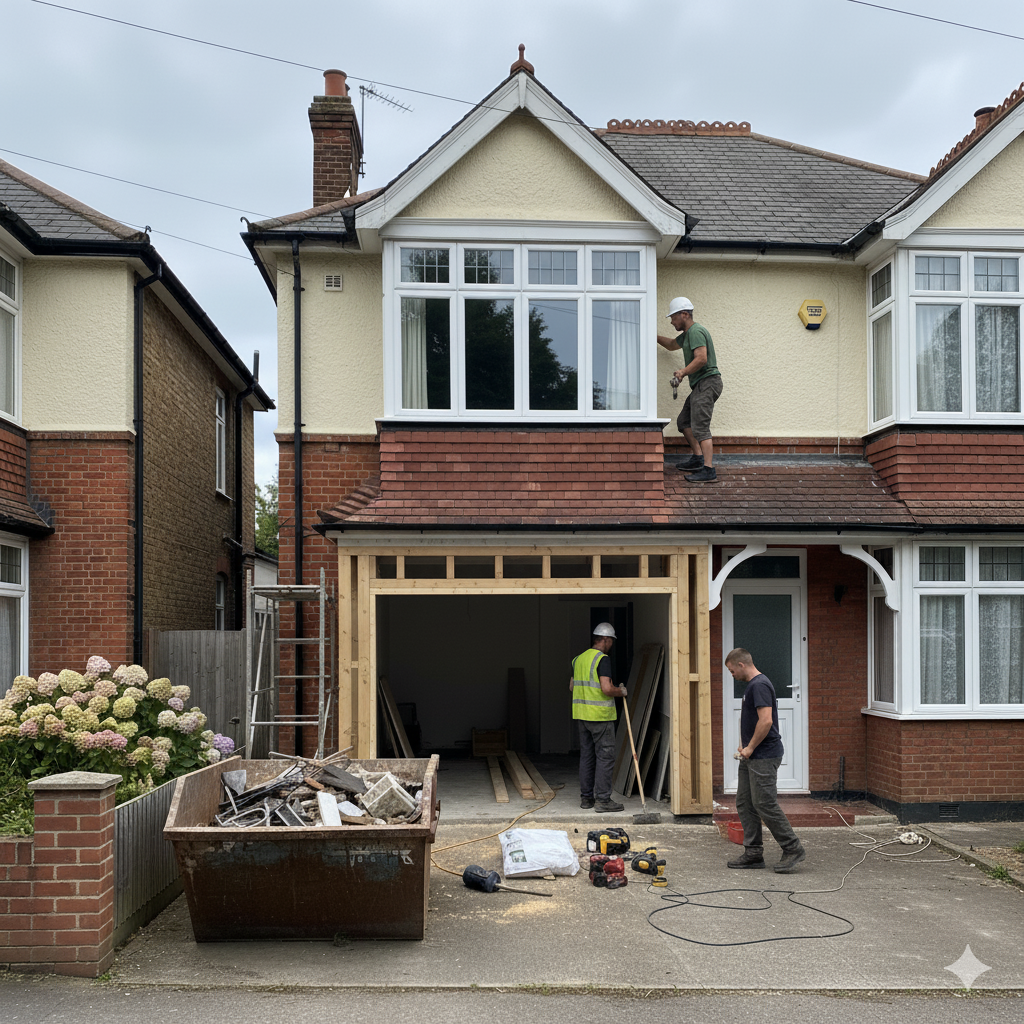
If you are planning a project, visiting https://in-hire.co.uk/services/house-extensions can help you find the right equipment and expertise to meet these modern standards.
The Core Principles of PD Rights
Permitted Development (PD) allows for specific types of work to be carried out without the need for a full planning application.
However, these rights are subject to strict conditions regarding size, height, and materials, particularly in Conservation Areas or Areas of Outstanding Natural Beauty (AONB).
* Class A: Enlargement, improvement, or alterations (extensions).
* Class B: Additions to the roof (loft conversions).
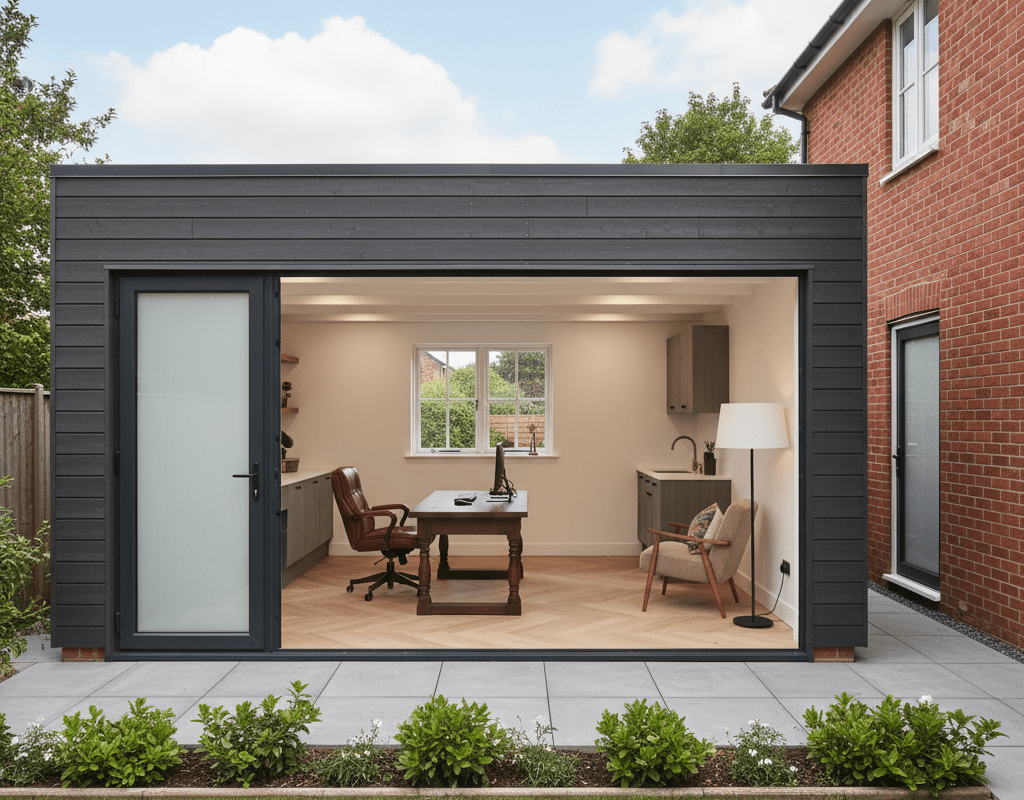
* Class E: Outbuildings and garden offices.
Navigating Planning Permission Changes 2026
The planning permission changes 2026 have introduced a more flexible approach to “upward extensions” on detached dwellings.
Homeowners can now often add up to two storeys to their primary residence, provided the resulting building does not exceed 18 metres in height.
Key Updates for This Year
* Sustainability Mandates: New PD projects must now demonstrate a 30% reduction in carbon emissions compared to 2021 baselines.
* Biodiversity Net Gain: Even small-scale PD projects are now encouraged to include green roofs or integrated bat boxes.
* Modular Speed: Prefabricated components are now the standard for PD extensions to ensure minimal local disruption.
For those managing large-scale renovations, professional hire services found at https://in-hire.co.uk/ ensure your site remains compliant with 2026 safety regulations.
The Prior Approval Process UK Explained
While some projects are “automatic,” many larger extensions require a prior approval process UK submission to the Local Planning Authority (LPA).
This process allows the council to assess the potential impacts of the development, such as transport, noise, and the privacy of neighbouring properties.
What the LPA Evaluates
It is vital to submit high-quality architectural drawings during this phase to avoid unnecessary delays or refusals.
Why You Need a Lawful Development Certificate
A lawful development certificate (LDC) is a legal document issued by your council confirming that your project is permitted development.
While not mandatory, an LDC provides peace of mind and is frequently required by solicitors when you decide to sell your property.
Benefits of Securing an LDC
Legal Certainty:** Proves your extension was built within the legal limits of *UK Permitted Development Rights 2026.
* Resale Value: Simplifies the conveyancing process by removing planning ambiguities for potential buyers.
* Financing: Most UK lenders require an LDC before approving additional mortgage funds for home improvements.
To ensure your project stays on track, utilising professional plant and tool hire via https://in-hire.co.uk/services/loft-conversions can help maintain the high build quality required for certification.
Modern Extension Costs in 2026
Construction costs in 2026 have stabilised after the volatility of the early 2020s, but high-spec sustainable materials remain a significant investment.
On average, a standard rear extension in London or the South East now ranges between £2,800 and £3,500 per square metre.
Budget Breakdown for 2026
* Architectural Fees: 7% to 12% of the total build cost.
* Structural Engineer: £1,500 to £3,000 depending on complexity.
* Smart Home Integration: £2,000 to £5,000 for advanced energy management systems.
Smart Home and Net Zero Integration
In 2026, PD rights are increasingly linked to the “Smart Growth” initiative, which promotes the integration of intelligent technology.
This includes automated solar shading to comply with Part O (overheating) and air-source heat pumps as standard heating solutions.
Sustainable Material Choices
* Zinc Cladding: Durable, recyclable, and aesthetically striking for contemporary extensions.
* London Stock Brick: Essential for maintaining the character of Victorian terrace renovations.
* Triple Glazing: Now the standard for meeting the 2026 thermal efficiency requirements.
Steps to Start Your 2026 Project
Conclusion
The UK Permitted Development Rights 2026 offer a powerful pathway for property enhancement without the friction of full planning permission.
By staying informed about planning permission changes 2026 and following the correct legal procedures, you can transform your home efficiently and sustainably.