



Navigating UK Building Regulations 2026 Part L for Modern Construction
As we move further into 2026, staying compliant with the latest UK Building Regulations 2026 Part L is essential for every homeowner and developer. These updated standards represent a significant leap toward achieving Net Zero targets across the British residential sector.
Whether you are planning a new build or looking into house extensions, understanding these energy efficiency mandates is non-negotiable. This guide explores how the 2026 updates impact your design, costs, and material choices.
Understanding Part L Compliance 2026 Standards
The 2026 updates to Part L focus primarily on the ‘fabric first’ approach, ensuring that heat loss is minimised through superior insulation and air-tightness. This year, the threshold for thermal performance has reached its most stringent level yet.
Developers must now demonstrate a 31% reduction in carbon emissions compared to previous 2021 standards. Achieving Part L compliance 2026 requires a meticulous selection of high-performance glazing and carbon-neutral insulation materials.
Key Requirements for 2026
* Mandatory installation of low-carbon heating systems, such as air-source heat pumps.
* Enhanced U-values for walls, floors, and roofs to prevent thermal bridging.
* Triple glazing as the default standard for all major residential renovations.
* Strict air pressure testing requirements for all new residential units.
The Role of SAP 10.2 Calculations UK
To prove your project meets these standards, you must undergo SAP 10.2 calculations UK. This updated methodology provides a more accurate assessment of a building’s energy performance by accounting for modern technology.
SAP 10.2 now places a heavier emphasis on how electricity is used, reflecting the decarbonisation of the National Grid. It is vital to involve an energy assessor early in your architectural design phase to avoid costly late-stage revisions.
Benefits of Early SAP Assessment
Managing Heat with Part O Overheating Regulations
While Part L focuses on keeping heat in, Part O overheating regulations ensure that highly insulated modern homes do not become too hot during summer. This is particularly critical for projects in urban centres like London or Manchester.
Designers must now limit solar gain through strategic shading and specify sufficient glazing-to-floor area ratios. Failure to comply with Part O can lead to significant delays and the need for expensive mechanical cooling solutions.
Strategies for Part O Success
* Utilising external shutters or louvres to block direct high-angle summer sun.
* Designing effective cross-ventilation paths through the building layout.
* Specifying high-performance solar control glass for south-facing elevations.
* Limiting the total area of unshaded glazing in bedrooms to prevent nighttime discomfort.
Creating Energy Efficient Home Extensions in 2026
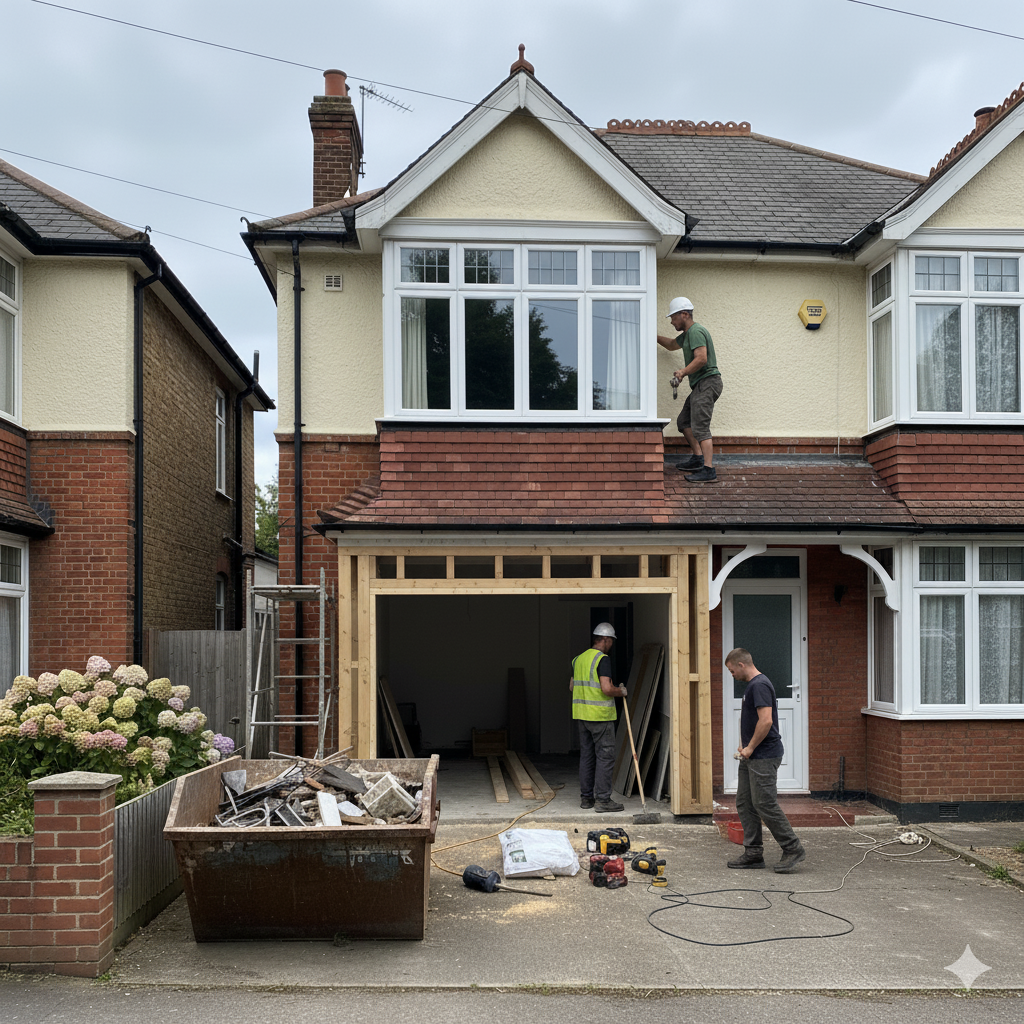
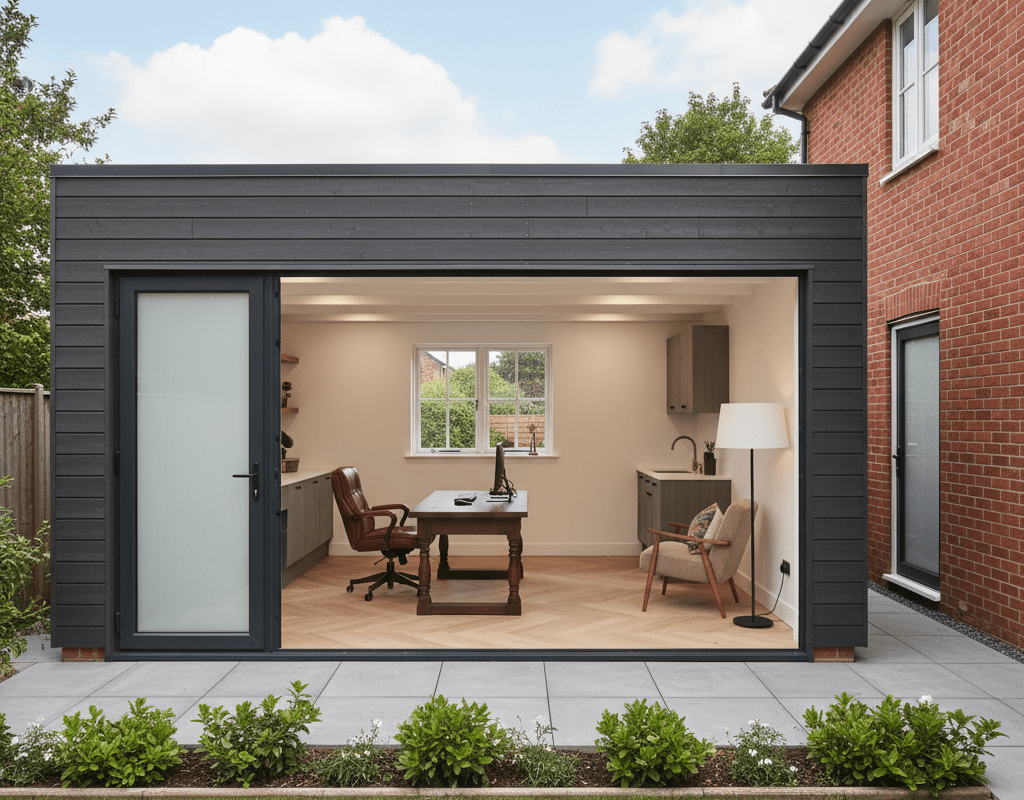
If you are planning energy efficient home extensions this year, the regulations apply to your project just as strictly as new builds. Modern extensions must now act as self-sustaining thermal envelopes that do not drain the existing house’s energy resources.
Many homeowners are opting for prefabricated modular extensions to guarantee performance. These factory-built units ensure that UK Building Regulations 2026 Part L standards are met in a controlled environment before arriving on-site.
Essential Checklist for Extensions
* Ensure the extension’s boiler or heat pump capacity matches the new volume.
* Verify that all new windows meet the revised 2026 U-value targets.
* Incorporate smart heating controls to manage the extension as a separate zone.
* Check that the interface between the old and new structures is thermally broken.
Material Choices for 2026 Net Zero Goals
The choice of materials is now dictated by their embodied carbon and thermal efficiency. We are seeing a rise in the use of hempcrete, wood fibre insulation, and recycled brickwork across the UK.
Integrating these materials requires a specialized construction management approach to ensure they are installed correctly. Proper installation is the only way to guarantee the theoretical energy savings are realised in practice.
Top Materials for 2026 Compliance
Financial Implications of the 2026 Standards
While initial construction costs may rise by 10-15% due to these regulations, the long-term savings are substantial. Homeowners can expect a significant reduction in monthly energy bills and an increase in property valuation.
Properties that meet the 2026 Part L standards are viewed as ‘future-proofed’ assets in the UK market. This makes them highly attractive to eco-conscious buyers and institutional investors alike.
Cost-Saving Tips for Compliance
* Focus on the building envelope first to reduce the size of the required heating system.
* Use standardized window sizes to reduce the cost of high-performance glazing.
* Consult with a qualified surveyor early to identify the most cost-effective insulation routes.
* Apply for government grants available for heat pump installations and solar integration.
The Future of UK Construction Regulation
Looking beyond 2026, the trajectory of UK building law is clear: total decarbonisation. The standards we see today in Part L and Part O are just the beginning of a mandatory shift toward circular construction.
Adapting to these changes now ensures your project remains relevant for decades to come. By prioritizing energy efficiency today, you are contributing to a more sustainable and resilient UK housing stock.
Key Takeaways for Developers
* Always verify current U-value requirements before ordering materials.
* Prioritize natural ventilation and shading to meet Part O without air conditioning.
* Maintain a detailed paper trail of SAP calculations for building control audits.
* Invest in skilled labor familiar with high-performance airtightness detailing.
In conclusion, the UK Building Regulations 2026 Part L update is a positive step for the industry. By embracing these standards, we create more comfortable, cheaper-to-run, and environmentally friendly homes for everyone.