

The Ultimate Guide to Sustainable Construction Materials UK in 2026
Building in the UK has reached a pivotal turning point as we align with the 2026 Future Homes Standard. Choosing the right sustainable construction materials UK is no longer just a trend; it is a regulatory necessity for every modern developer and homeowner.
Today, high-performance builds must balance thermal efficiency with environmental responsibility to meet stringent Part L and Part O building regulations. This guide explores the revolutionary materials and techniques that are defining the British landscape this year.
The Rise of Circular Economy Building
In 2026, the industry has fully embraced the concept of circular economy building to reduce waste. This approach ensures that every brick, beam, and panel can be reused or recycled at the end of its lifecycle.
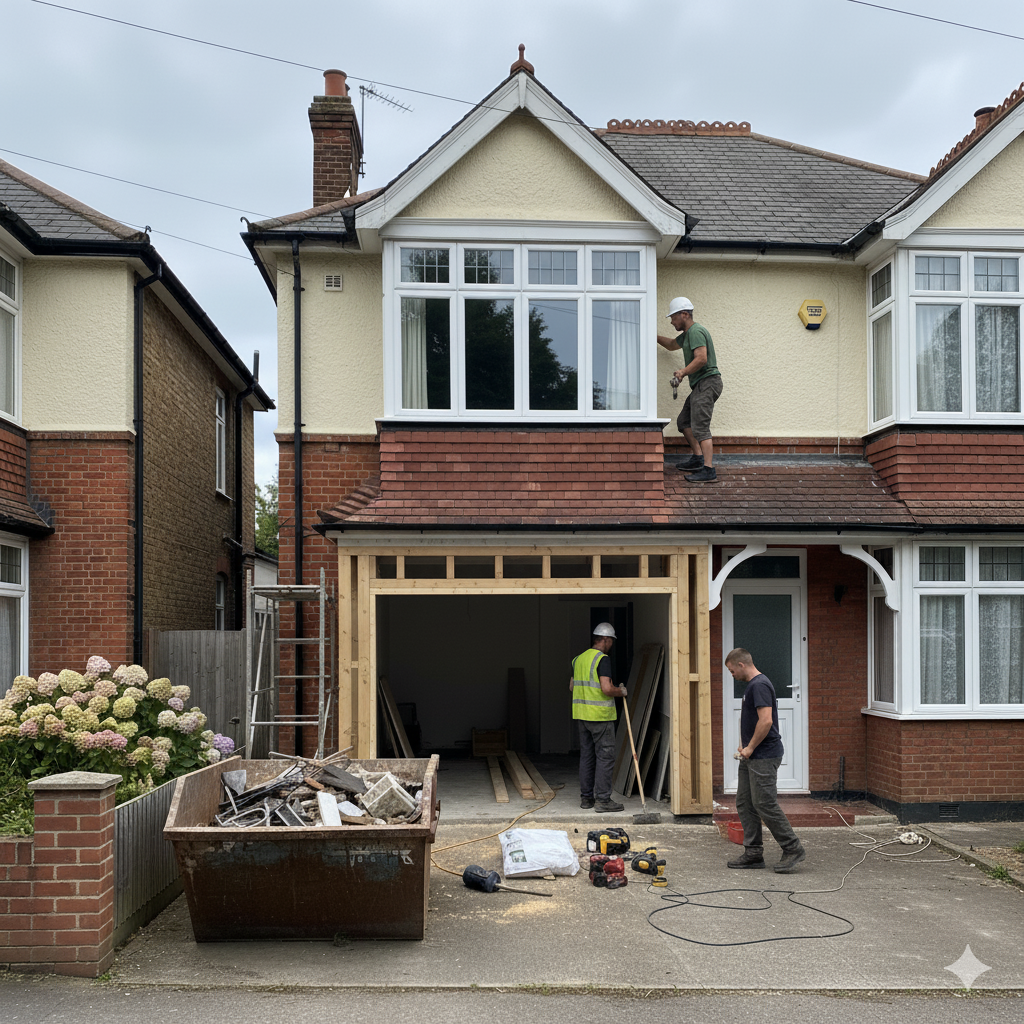
Using reclaimed materials and modular components reduces the carbon footprint of your project significantly. If you are planning a renovation, our house extensions team can help you integrate these circular principles effectively.
Benefits of Circular Design
* Reduces the demand for virgin raw materials across the UK supply chain.
* Lowers site waste management costs and landfill taxes.
* Enhances the long-term asset value of residential properties.
Low Carbon Timber Frame Solutions
Moving away from traditional masonry, the low carbon timber frame has become the primary choice for rapid, eco-friendly developments. Modern timber systems are now engineered to exceed fire safety standards while sequestering carbon for decades.
These frames offer incredible precision, allowing for airtightness levels that satisfy Passivhaus standards. By choosing timber, you are supporting British forestry and reducing the reliance on high-energy concrete production.
Why Timber Leads the Market in 2026
Innovating with Hempcrete Extensions UK
One of the most exciting developments in 2026 is the mainstream adoption of hempcrete extensions UK. This bio-composite material, made from hemp shiv and lime, acts as both insulation and structural infill.
It is exceptionally breathable, which prevents dampness in older UK properties while providing a high thermal mass. For those considering basement conversions, hemp-based products offer unique moisture-regulating properties that traditional materials lack.
Performance Features of Hempcrete
* Carbon-negative footprint as the hemp plant absorbs CO2 during growth.
* Naturally fire-resistant and pest-resistant without toxic chemical treatments.
* Provides a healthy indoor air quality by regulating humidity levels automatically.
Natural Insulation Materials for Net Zero
Synthetic foams are being phased out in favour of natural insulation materials such as wood fibre, sheep’s wool, and recycled cellulose. These materials are essential for achieving the thermal targets set by the 2026 building regulations.
Natural insulators are safer to handle and do not off-gas harmful VOCs into your living space. They provide superior acoustic performance, which is vital for urban developments in busy areas like Birmingham or Leeds.
Top Natural Insulation Choices
* Wood Fibre Boards: Ideal for external wall insulation and breathable render systems.
* Sheep’s Wool: A high-performance hygroscopic material that thrives in the damp UK climate.
* Cork Panels: Excellent for floor insulation and decorative, sustainable wall finishes.
Implementing Sustainable Tech in Modern Builds
Sustainability in 2026 isn’t just about the shell; it involves the integration of smart technology. High-tech sensors now monitor the performance of your sustainable construction materials UK in real-time.
From smart thermostats to heat recovery systems, technology ensures your eco-friendly materials perform at their peak. If you are looking to modernise an existing property, our loft conversions service integrates these smart energy solutions seamlessly.
Cost Implications of Eco-Friendly Construction
While the initial investment in sustainable materials can be 10-15% higher, the long-term savings are undeniable. Reduced energy consumption and lower maintenance costs mean these projects typically pay for themselves within seven years.
Government grants and ‘Green Mortgages’ are now more accessible for projects utilizing low carbon timber or hempcrete. Financial institutions in the UK are increasingly prioritising assets that demonstrate high environmental standards.
Cost-Saving Checklist for 2026
* Source materials locally to reduce transportation costs and carbon levies.
* Utilise prefabricated components to minimize on-site labour expenses.
* Apply for UK government heat pump and insulation subsidies available this year.
The Future of UK Construction
As we look beyond 2026, the focus remains on achieving a true Net Zero built environment. The transition to sustainable construction materials UK is an essential step for every developer and homeowner.
By prioritising the circular economy and bio-based materials, we create homes that are healthier for occupants and the planet. Join the movement towards a greener Britain by choosing materials that stand the test of time.