


Sustainable Suspended Ceilings UK: The 2026 Guide to Eco-Friendly Grid Systems
As we navigate the stringent requirements of the 2026 Future Homes Standard and updated Part L regulations, the demand for sustainable suspended ceilings UK* wide has reached an all-time high. Modern commercial and residential developments now prioritise carbon-negative materials that offer both thermal efficiency and superior acoustic performance.
The shift towards circular economy principles means that traditional mineral fibre tiles are being replaced by innovative, regenerative alternatives. In this expert guide, we explore the cutting-edge materials and installation techniques defining the British construction landscape this year.
The Evolution of Office Grid Systems 2026
The traditional **office grid systems 2026** market has undergone a radical transformation to meet Net Zero targets. We are seeing a move away from virgin aluminium towards high-recycled-content steel and timber-based support structures.
These systems are designed for ‘disassembly,’ allowing components to be reused at the end of a building’s lifecycle rather than sent to landfill. If you are planning a workspace renovation, ensuring your infrastructure supports these modular systems is essential.
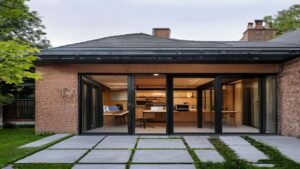
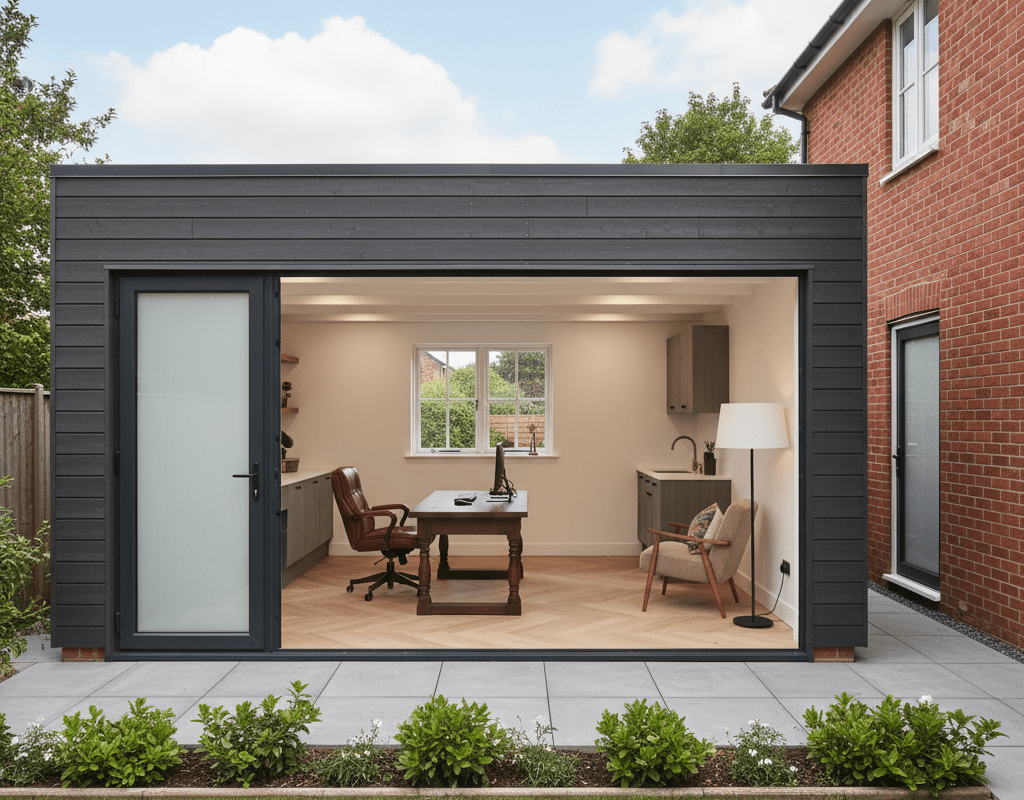
Many developers are now integrating these grids during house extensions to create multi-functional home offices with professional-grade acoustics. The focus is on lightweight, high-strength frames that reduce the overall structural load of the building.
Innovative Bio-Based Acoustic Panels
One of the most significant breakthroughs in 2026 is the mainstream adoption of **bio-based acoustic panels**. These products are manufactured using rapidly renewable resources such as hemp, cork, and flax fibres.
Unlike synthetic foams, these organic materials provide natural moisture regulation and are free from harmful Volatile Organic Compounds (VOCs). This ensures that the indoor air quality of your property remains at optimal levels.
Using these panels in high-traffic areas or open-plan living spaces significantly reduces reverberation times. They are particularly effective when combined with high-quality loft conversions where sound dampening between floors is a primary concern for homeowners.
Key Benefits of Bio-Based Solutions
- Carbon Sequestration: These materials lock in carbon during their growth phase, offsetting the building’s footprint.
- Biodegradability: At the end of their life, panels can be composted or recycled without environmental toxicity.
- Thermal Mass: Natural fibres offer excellent insulation properties, helping to maintain stable indoor temperatures.
- Aesthetic Variety: Available in a range of natural textures and bespoke colours to suit contemporary UK interiors.
The Rise of Mycelium Ceiling Tiles UK
Perhaps the most exciting development for **sustainable suspended ceilings UK** is the commercial availability of **mycelium ceiling tiles UK**. Grown from the root structure of fungi, these tiles are literally ‘grown’ into moulds to create precise architectural shapes.
Mycelium is naturally fire-resistant and offers acoustic absorption coefficients that rival or exceed traditional glass wool. The manufacturing process requires minimal energy, making it one of the lowest-embodied-carbon materials available in 2026.
These tiles are often paired with **eco-friendly acoustic insulation** made from recycled denim or sheep’s wool. This combination creates a high-performance ceiling assembly that meets the strict thermal requirements of the latest UK Building Regulations.
Installation Standards and 2026 Building Regulations
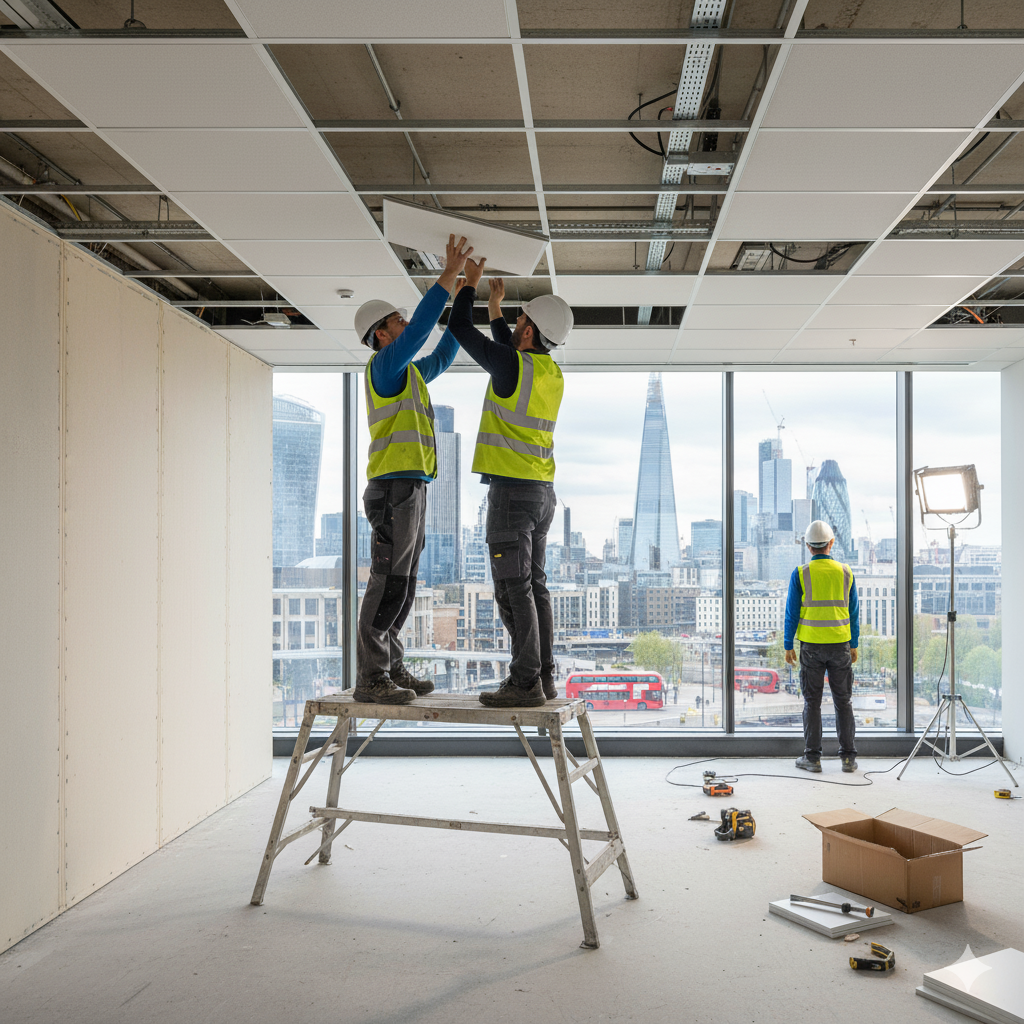
Installing a sustainable ceiling system requires more than just the right materials; it demands precision engineering. Compliance with Part O (Overheating) is now a critical factor when designing ceiling voids in the South East and London.
Properly designed voids allow for integrated smart sensors and low-energy LED lighting systems. Our teams often coordinate these installations during comprehensive basement conversions to maximise ceiling heights while maintaining acoustic privacy.
It is vital to ensure that your chosen contractor understands the nuances of 2026 fire safety codes. Sustainable materials must be tested and certified to British Standards (BS EN 13501-1) to ensure they meet the required reaction-to-fire classifications.
Checklist for Sustainable Ceiling Procurement
- Verify EPDs: Always request Environmental Product Declarations to confirm the embodied carbon data.
- Check VOC Ratings: Ensure the tiles and adhesives are rated ‘Gold’ for indoor air quality.
- Acoustic Performance: Confirm the Class A or B absorption ratings for office environments.
- Local Sourcing: Prioritise UK-manufactured goods to reduce transport-related emissions.
- Recyclability: Ask for a ‘take-back’ scheme guarantee from the manufacturer.
Cost Considerations for 2026 Projects
While the initial capital expenditure for mycelium or bio-based systems can be 15-20% higher than standard tiles, the long-term value is significant. Reduced energy bills and improved occupant wellbeing provide a clear Return on Investment (ROI) for UK commercial landlords.
Furthermore, many sustainable systems now qualify for ‘Green Finance’ incentives and tax breaks for carbon-neutral retrofits. As the UK government pushes for Net Zero by 2050, these installations future-proof your asset against upcoming legislative changes.
The price of raw timber and recycled steel has stabilised in 2026, making high-end timber slat ceilings more accessible for residential projects. These systems offer a luxury finish while providing the necessary acoustic dampening for modern, hard-surface interior designs.
Final Thoughts on Eco-Friendly Ceilings
Choosing *sustainable suspended ceilings UK is no longer a niche preference but a fundamental requirement for high-quality construction. From mycelium tiles to bio-based panels, the options available today allow for incredible design flexibility without compromising the planet.
By integrating these systems, you ensure your property remains compliant, comfortable, and conscious of its environmental impact. Always work with certified professionals who understand the complexities of 2026 building standards and material science.