

Sustainable Kitchen Remodelling UK: Achieving Net Zero in 2026
Navigating sustainable kitchen remodelling UK projects requires a blend of high-end aesthetics and rigorous environmental compliance. As we move deeper into 2026, the Future Homes Standard has redefined how we approach residential renovations and house extensions.
Modern British homeowners are no longer just looking for style; they are demanding carbon-neutral solutions that lower energy bills. Achieving a high-performance kitchen now involves integrating recycled materials, advanced thermal management, and cutting-edge automation.
The Evolution of Sustainable Kitchen Design
Sustainability in 2026 is driven by the circular economy and the UK’s commitment to reducing domestic carbon footprints. Every material choice, from the timber frame to the floor finish, must contribute to the home’s overall efficiency.
Selecting the right contractor is essential for ensuring your project meets updated Building Regulations Part L. Our team at In-Hire provides expert architectural services to help you visualise a space that is both beautiful and planet-friendly.
Circular Materials and Recycled Stone Worktops
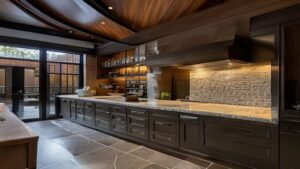
One of the most significant shifts in the industry involves the move away from high-carbon quartz and towards recycled stone worktops. These surfaces utilise crushed waste glass and reclaimed stone chips bonded with bio-resins.
* Durability: Recycled stone matches the hardness of traditional granite.
* Low Impact: These materials require significantly less energy to manufacture.
* Aesthetics: Modern finishes offer a unique, terrazzo-style appearance that fits contemporary UK homes.
Smart Kitchen Integration and Energy Efficiency
Energy management is the cornerstone of sustainable kitchen remodelling UK. Smart kitchen integration allows homeowners to monitor energy usage in real-time via integrated AI systems.
Induction hobs have now become the industry standard for Net Zero homes. These units offer nearly 90% energy efficiency compared to gas alternatives and improve indoor air quality significantly.
Advanced Automation for Carbon Reduction
* AI Lighting: Sensors adjust LED brightness based on natural light levels from bifold doors.
* Smart HVAC: Kitchen ventilation systems now synchronise with heat recovery units to prevent heat loss.
* Energy Monitoring: Built-in displays show the real-time carbon cost of appliances.
If you are considering a larger renovation, you might also be looking at loft conversions to increase your home’s total thermal efficiency. Centralising your smart home hub allows for seamless control across all living levels.
Water Conservation and Modern Fixtures
In 2026, water scarcity concerns have led to stricter regulations regarding flow rates. Installing water-saving fixtures UK homeowners can rely on is a priority for any premium renovation project.
Modern aerated taps reduce water consumption by up to 50% without sacrificing pressure. This simple upgrade is a cost-effective way to improve your home’s sustainability rating immediately.
Innovative Plumbing Solutions
* Greywater Recycling: Systems that repurpose sink water for garden irrigation.
* Instant Boiling Taps: These units eliminate the energy waste associated with overfilling kettles.
* Sensor Taps: Touchless technology reduces water wastage during food preparation.
While focusing on the kitchen, many clients also choose to implement an eco-friendly bathroom design. Applying the same water-saving principles across the home ensures a cohesive approach to environmental responsibility.
Sustainable Flooring and Cabinetry Choices
Cabinetry in 2026 focuses on E0-grade materials, which have zero formaldehyde emissions. This ensures that your kitchen remains a healthy environment for your family while protecting the planet.
UK-sourced timber, such as FSC-certified oak or ash, remains a top choice for luxury finishes. Reclaimed timber is also gaining popularity for those seeking a heritage look within a modern extension.
Low-Carbon Flooring Options
The Cost of Sustainability in 2026
While initial material costs for sustainable kitchen remodelling UK may be 10-15% higher, the long-term ROI is substantial. High-efficiency kitchens significantly increase property resale value in the current market.
Homeowners can also benefit from various green finance initiatives and VAT breaks for energy-saving installations. Investing in quality today prevents costly retrofits when more stringent legislation arrives in 2030.
Budgeting for Your Project
* Worktops: £1,500 – £4,000 depending on recycled content levels.
* Appliances: High-efficiency A+++ rated sets typically start at £5,000.
* Cabinetry: Sustainable bespoke timber starts from £15,000.
Compliance and Building Regulations
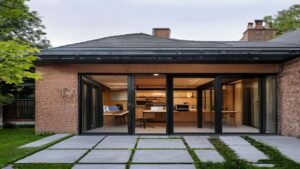
Every sustainable kitchen remodelling UK project must adhere to the 2026 updates to Part O (Overheating). Large glass extensions must use solar-control glazing to manage internal temperatures without air conditioning.
Our specialists ensure that all structural engineering requirements are met while prioritising thermal performance. This holistic approach ensures your kitchen is safe, legal, and exceptionally efficient.
Key Regulations to Consider
* Part L: Focuses on the conservation of fuel and power.
* Part F: Ensures adequate ventilation in highly airtight, modern homes.
* The Future Homes Standard: Mandates a 75-80% reduction in carbon emissions for new builds and major renovations.
Conclusion: The Future of British Kitchens
Sustainable kitchen remodelling UK is no longer a niche choice; it is the gold standard for luxury residential design. By choosing recycled stone worktops and smart kitchen integration, you create a future-proof asset.
At In-Hire, we are committed to delivering excellence through sustainable construction practices. Contact us today to discuss how we can transform your kitchen into a Net Zero masterpiece.