

The Ultimate Guide to Sustainable Kitchen Remodelling UK for 2026
Sustainable kitchen remodelling in the UK has evolved into a sophisticated blend of high-end aesthetics and environmental responsibility. By 2026, homeowners are prioritising carbon-neutral materials and smart energy management to meet the latest Future Homes Standard.
Creating a kitchen that respects the planet no longer means compromising on style or luxury. It involves a strategic approach to sourcing, installation, and long-term energy efficiency within the British home.
Why Energy Efficient Kitchen Design Matters in 2026
Energy efficient kitchen design is now a primary driver for property value across the UK. With the 2026 updates to Building Regulations Part L, thermal performance and low-carbon heating are mandatory considerations.
Modern kitchens must function as high-performance hubs that minimise heat loss and reduce electricity consumption. Investing in high-quality insulation and airtightness ensures your kitchen remains comfortable throughout the British winter.
The Rise of Recycled Stone Worktops
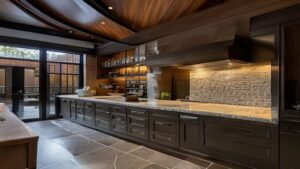
Recycled stone worktops have become the gold standard for eco-conscious UK renovators in 2026. These surfaces utilise crushed glass, mirrors, and post-industrial waste bound with bio-resins to create stunning, durable finishes.
Unlike traditional quarried granite or marble, these materials require significantly less energy to produce. They offer the same heat resistance and durability required for a busy family kitchen environment.
* Durability: High resistance to scratches and stains.
* Aesthetics: Available in bespoke colours ranging from concrete grey to deep midnight blue.
* Sustainability: Reduces the demand for virgin stone mining.
Professional Induction Hob Installation
As the UK moves away from domestic gas connections, induction hob installation has become a standard requirement for new projects. Induction technology is significantly more efficient than gas, as it transfers heat directly to the cookware via magnetic fields.
This method reduces ambient heat loss and improves indoor air quality by eliminating combustion by-products. For many, this is a key step in achieving a Net Zero home by 2030.
If you are planning a wider renovation, our specialists in house extensions can help integrate these electrical requirements into your structural plans. Proper electrical load balancing is essential for high-powered modern appliances.
Water Conservation and Smart Fixtures
Water scarcity concerns in the South East and London have led to a surge in demand for water-saving technologies. Integrating water saving bathroom fixtures and low-flow kitchen aerators can reduce household water consumption by up to 40%.
Sensor-operated taps and boiling water taps with integrated filters are now common features in premium UK remodels. These systems prevent water waste by providing the exact amount required at the correct temperature instantly.
* Aerated Taps: Maintain pressure while using less water.
* Smart Meters: Monitor real-time usage to identify leaks or inefficiencies.
* Greywater Systems: Consider recycling water for garden irrigation during larger builds.
Sustainable Materials: Beyond the Cabinets
Choosing the right materials extends to the flooring and cabinetry carcasses used in your project. In 2026, UK homeowners are opting for FSC-certified timber and rapidly renewable materials like bamboo or cork.
Low-VOC (Volatile Organic Compound) finishes are essential for maintaining healthy indoor air quality. These paints and oils do not off-gas harmful chemicals, ensuring your kitchen remains a safe environment for food preparation.
If you are looking to increase your living space while staying eco-friendly, consider our loft conversions which use high-performance sustainable insulation. Combining a kitchen remodel with a total home upgrade can often be more cost-effective.
Complying with 2026 UK Building Regulations
The 2026 regulatory landscape requires strict adherence to energy performance certificates (EPC). Every aspect of your sustainable kitchen remodelling UK project must contribute to a high rating to ensure future-proofed resale value.
This includes the installation of high-efficiency LED lighting and smart home hubs that control appliance cycles during off-peak energy hours. Mechanical Ventilation with Heat Recovery (MVHR) is also becoming a staple in modern British kitchen extensions.
The Cost of Sustainability in 2026
While the initial investment in sustainable materials can be 10-15% higher, the long-term savings are substantial. Reduced energy bills and lower maintenance costs provide a clear return on investment within five to seven years.
Many UK lenders now offer ‘Green Mortgages’ with lower interest rates for homes that meet high efficiency standards. This makes the transition to a sustainable kitchen even more financially viable for the average homeowner.
- Phase 1: Conduct a full energy audit of your current kitchen space.
- Phase 2: Source local reclaimed or recycled materials to reduce transport emissions.
- Phase 3: Employ certified tradespeople for specialised installations like induction hobs.
Integrating Smart Technology
Smart technology is the backbone of any sustainable kitchen in 2026. AI-driven appliances can now optimise their power usage based on the National Grid’s carbon intensity at any given moment.
For those undergoing significant structural changes, our property renovations team can assist in hiding the complex cabling and smart hubs behind sustainable finishes. This ensures a minimalist look without sacrificing modern functionality.
Waste Management During Remodelling
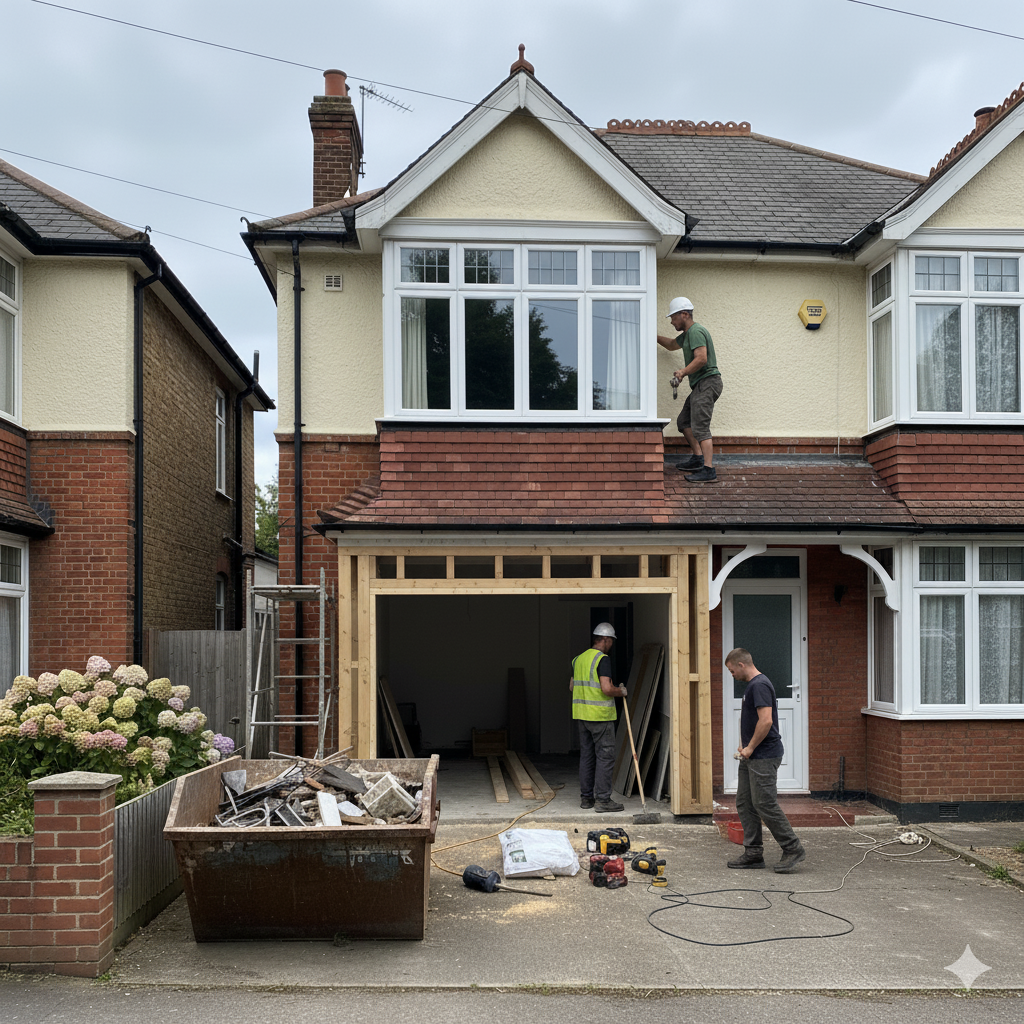
A truly sustainable project considers the waste generated during the demolition phase. In 2026, the ‘Circular Economy’ approach is vital for any UK construction project.
Ensure your contractor has a robust waste diversion plan to recycle old cabinetry, metals, and masonry. Reusing original features, such as exposed London stock brick, adds character while saving carbon.
* Donation: Offer old, functional appliances to local charities.
* Upcycling: Repurpose old timber joists into bespoke shelving units.
* Recycling: Ensure all metal and glass is sent to specialist processing centres.
Final Thoughts on Eco-Friendly Kitchens
Sustainable kitchen remodelling in the UK is no longer a niche trend but a fundamental shift in how we build. By prioritising energy efficient kitchen design and recycled materials, you create a space that is beautiful, functional, and ethical.
As we move further into 2026, the integration of technology and nature will continue to define the heart of the British home. Start your journey today by choosing quality over quantity and durability over disposable trends.