Sustainable Kitchen Remodeling Ideas 2026: The Definitive UK Guide
Creating an eco-friendly culinary space has evolved significantly since the implementation of the Future Homes Standard. Homeowners now prioritise low-carbon materials and energy efficiency more than ever before.
Finding the right sustainable kitchen remodeling ideas 2026 requires a balance between modern aesthetics and environmental responsibility. This guide explores how to achieve a Net Zero kitchen using the latest UK construction innovations.
The Rise of the Net Zero Kitchen in 2026
Sustainability in 2026 is no longer an optional luxury but a regulatory necessity. The shift towards circular economy principles has transformed how we approach kitchen renovations and home extensions.
If you are planning a larger project, consider how professional house extensions can incorporate sustainable foundations from the ground up. Integrating thermal mass and high-performance insulation ensures your new kitchen remains energy-efficient year-round.
Low-Impact Surface Solutions
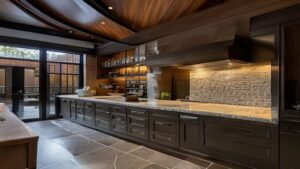
Worktops are the centrepiece of any kitchen, and in 2026, the focus is on reclaimed and repurposed materials. Homeowners are increasingly moving away from high-carbon granite and imported quartz.
Recycled Glass Worktops UK
Specifying recycled glass worktops UK manufactured has become a leading trend for eco-conscious renovations. These surfaces offer incredible durability while diverting waste from British landfills and reducing transport emissions.
* Durability: Non-porous and highly resistant to staining and heat.
* Aesthetics: Available in a range of unique colours, from sea-glass greens to deep cobalt blues.
* Circular Economy: Many UK manufacturers now offer ‘take-back’ schemes to recycle the surface at the end of its life.
Sustainable Timber and Bamboo
FSC-certified British timber, such as ash or oak, remains a timeless choice for cabinetry and island units. For a more rapid renewable resource, carbon-neutral bamboo provides a sleek, modern finish for contemporary London apartments.
Innovative Cabinetry: Modular Kitchen Units
Waste reduction is a primary goal of 2026 construction standards. Modular kitchen units have revolutionised the industry by allowing for easy repair, reconfiguration, and eventual recycling.
Benefits of Modular Construction
- Reduced Waste: Precision-engineered off-site to minimise on-site offcuts and dust.
- Flexibility: Easily add or remove sections if your lifestyle changes or you move house.
- Speed: Faster installation times compared to traditional bespoke joinery, reducing labour costs.
For those converting upper floors, expert loft conversions often utilise modular units to navigate tight stairwells and maximise limited vertical space. This approach ensures every square inch of your home is utilised effectively and sustainably.
Energy Rated Appliances 2026: Efficiency Standards
The UK’s energy labelling system has become even more stringent in 2026. Investing in the highest energy rated appliances 2026 provides is essential for lowering your long-term operational costs.
* A+++ Induction Hobs: These use magnetic fields to heat pans directly, ensuring minimal heat loss compared to gas.
* Heat Pump Dishwashers: Utilise recycled heat from the wash cycle to dry dishes efficiently.
* Vacuum-Insulated Fridges: Thinner walls with superior thermal properties provide more storage space with less energy draw.
Smart Kitchen Integration and Automation
Technological advancement has made smart kitchen integration a cornerstone of sustainable living. AI-driven systems now manage energy consumption in real-time to align with the UK’s green energy grid.
Intelligent Energy Management
Smart hubs can now schedule high-energy tasks, like dishwashing, during periods of peak renewable energy production. This reduces your carbon footprint and takes advantage of dynamic electricity tariffs.
* Leak Detection: Smart sensors under sinks prevent water damage and costly repairs.
* Inventory Tracking: Built-in cameras and AI reduce food waste by tracking expiry dates.
* Optimised Lighting: Circadian LED lighting systems adjust brightness based on natural light levels through your bespoke roof lanterns.
Future Homes Standard Compliance
All 2026 kitchen remodels must consider the updated Part L building regulations. This focuses on airtightness and moisture control, particularly when removing internal walls or extending the footprint.
High-Performance Glazing
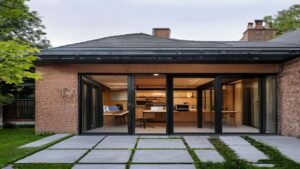
Integrating triple-glazed aluminium bifold doors allows for natural light without sacrificing thermal performance. Ensuring your kitchen has a high-efficiency U-value is critical for maintaining a comfortable temperature without excessive heating.
Ventilation and Air Quality
Mechanical Ventilation with Heat Recovery (MVHR) systems are now standard in high-end UK kitchen renovations. These systems extract stale, humid air and replace it with filtered fresh air while retaining up to 95% of the heat.
Sustainable Flooring Choices
Flooring must be both durable and eco-friendly to withstand the high traffic of a busy UK household. In 2026, we are seeing a resurgence in traditional materials used in modern ways.
- Terracotta and Cork: Natural, breathable materials that provide excellent thermal insulation.
- Reclaimed Parquet: Sourced from old schools or public buildings, offering unique character and zero new carbon debt.
- Polished Eco-Concrete: Utilising fly-ash or ground granulated blast-furnace slag (GGBS) to replace traditional high-carbon cement.
Water Conservation Strategies
Water scarcity is an increasing concern in the South East of England. Modern kitchens must incorporate smart water-saving technologies to meet 2026 sustainability targets.
* Aerated Taps: Reduce water flow without compromising pressure for washing up.
* Boiling Water Taps: More energy-efficient than boiling a kettle and reduces water wastage.
* Greywater Recycling: Advanced systems can now treat sink water for use in garden irrigation or toilet flushing.
Local Sourcing and Low Carbon Logistics
Reducing ‘material miles’ is a vital component of sustainable kitchen remodeling ideas 2026. Working with local UK craftsmen and suppliers reduces the carbon footprint associated with shipping heavy materials.
* British Stone: Use Portland stone or Welsh slate instead of imported marble.
* Local Joinery: Support UK businesses and reduce the risk of supply chain delays.
* Recycled Packaging: Ensure your contractors use reusable or fully compostable protection for floors and surfaces during the build.
Checklist for Your 2026 Sustainable Kitchen Project
* [ ] Conduct a full energy audit of your current kitchen space.
* [ ] Specify low-VOC (Volatile Organic Compound) paints and finishes for better air quality.
* [ ] Research local suppliers for recycled glass or reclaimed timber surfaces.
* [ ] Verify the energy ratings of all new appliances against 2026 UK standards.
* [ ] Consult with a professional to ensure compliance with the Future Homes Standard.
Conclusion: Investing in the Future
A sustainable kitchen remodel is an investment in your home’s value and the planet’s future. By prioritising longevity, efficiency, and responsible material sourcing, you create a space that is as functional as it is beautiful.
Whether you are integrating smart technology or choosing modular units, the key is a holistic approach. Start your journey today by consulting with experts who understand the complexities of 2026 UK building regulations.