


Sustainable Kitchen Design UK 2026: Building for a Net Zero Future
Creating a sustainable kitchen design UK 2026 is no longer just an aesthetic choice; it is a regulatory requirement. Under the latest Future Homes Standard, homeowners and developers must prioritise carbon reduction and thermal efficiency.
At In-Hire, we have seen a massive shift towards circular economy principles in high-end residential projects. This guide explores how to integrate eco-friendly materials with cutting-edge technology for a kitchen that lasts a lifetime.
The Evolution of Eco-Friendly Kitchens
In 2026, the focus has shifted from simple recycling to deep decarbonisation of the home. Modern house extensions now incorporate airtightness and high-performance insulation as standard features.
Sustainable kitchen design UK 2026 prioritises the reduction of embodied carbon in every component. This means sourcing timber from FSC-certified UK forests and choosing low-carbon manufacturing processes.
Sustainable Cabinetry Materials and Construction
Your choice of sustainable cabinetry materials is the foundation of an eco-conscious kitchen. We are seeing a move away from traditional MDF towards fast-growing bamboo and reclaimed solid oak.
* Reclaimed Timber: Sourced from old UK barns or industrial sites to reduce waste.
* Wheatboard Cabinets: An innovative alternative to plywood made from agricultural by-products.
* Low-VOC Finishes: Using water-based lacquers to ensure superior indoor air quality.
* Modular Design: Ensuring cabinets can be easily repaired or repurposed in the future.
Selecting these materials helps homeowners meet Part L building regulations while creating a unique, tactile environment. It is about balancing the beauty of natural textures with the rigour of modern environmental standards.
Recycled Kitchen Worktops UK: 2026 Trends
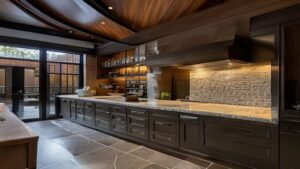
Surface selection has been revolutionised by the rise of recycled kitchen worktops UK. Homeowners are increasingly opting for composite materials made from post-consumer glass and ceramic waste.
These surfaces are non-porous, incredibly durable, and require zero chemical sealing. They provide a sleek, polished look that rivals traditional marble without the heavy carbon footprint of quarrying.
Top Surface Choices for 2026
Integrating these surfaces into your loft conversion or kitchen remodel ensures your project remains future-proof. These materials are designed to withstand the rigours of a busy family home while maintaining their structural integrity.
Smart Kitchen Appliances 2026 and Energy Efficiency
The integration of smart kitchen appliances 2026 is essential for managing domestic energy consumption. These devices now communicate directly with the UK National Grid to operate during periods of low carbon intensity.
Induction hobs have completely replaced gas, offering 90% energy efficiency and faster cooking times. Integrated AI sensors now monitor food freshness to significantly reduce household organic waste.
Essential Tech for the Modern Eco-Kitchen
* AI-Driven Refrigeration: Adjusts cooling cycles based on usage patterns to save electricity.
* Heat Pump Dishwashers: Utilising advanced thermal technology to reduce water heating costs.
* Smart Energy Monitors: Providing real-time data on the carbon footprint of your cooking habits.
* Automated Composting Units: Sleek, under-counter systems that turn food scraps into nutrient-rich soil.
By investing in these technologies, you can significantly reduce your monthly utility bills. Modern home renovations often centre around these high-performance hubs to enhance lifestyle and sustainability.
Water Conservation and Low Flow Bathroom Fixtures
While we focus on the kitchen, water efficiency must be considered across the entire property. Installing low flow bathroom fixtures and kitchen aerators is a simple way to reduce water wastage by up to 40%.
In 2026, greywater recycling systems are becoming more common in UK residential builds. These systems treat water from sinks and dishwashers for use in garden irrigation or toilet flushing.
Benefits of Advanced Water Management
* Reduced Water Bills: Significant savings for metered properties across London and the South East.
* Compliance: Meeting the stricter water usage targets set out in local planning permissions.
* Environmental Impact: Lowering the demand on the UK’s strained water infrastructure.
* Sensor Taps: Reducing accidental water loss through touchless infrared technology.
These small changes contribute to a larger goal of total home efficiency. Every litre saved helps in the national effort towards a more resilient and sustainable housing stock.
Thermal Performance and Ventilation
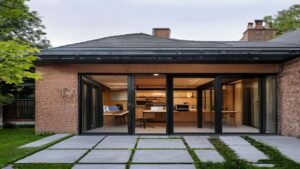
A sustainable kitchen must be comfortable year-round without excessive heating or cooling. Triple-glazed aluminium bifold doors are the gold standard for maintaining thermal mass in 2026.
Mechanical Ventilation with Heat Recovery (MVHR) systems are now vital for removing cooking odours while retaining heat. This technology ensures your kitchen remains fresh while minimising energy loss during the winter months.
Optimising Your Layout for Natural Light
When planning your extension, consider how these elements will interact with your daily routine. A well-designed kitchen should be as functional as it is environmentally responsible.
The Cost of Sustainability in 2026
While initial outlays for sustainable materials can be 10-15% higher, the long-term ROI is undeniable. High-efficiency homes now command a premium of up to 20% on the UK property market.
Lower energy bills and reduced maintenance costs mean these kitchens often pay for themselves within seven years. It is a strategic investment in both your property value and the planet’s future.
Budgeting Checklist for Your Eco-Project
* Material Sourcing: Allocate budget for certified sustainable cabinetry materials early.
* Professional Hire: Ensure you use qualified contractors experienced in Net Zero builds.
* Grant Funding: Check for available UK government incentives for heat pumps and insulation.
* Quality over Quantity: Choose durable fixtures that will not need replacing within a decade.
By following these steps, you can create a space that is beautiful, functional, and ethically sound. The future of UK housing is green, and the kitchen is the heart of that transformation.