

Sustainable Kitchen Design 2026: The Future of British Homes
Building a carbon-neutral home is no longer a choice but a requirement for modern UK homeowners. As we navigate the 2026 building landscape, Sustainable Kitchen Design 2026 has become the focal point for high-end renovations.
With the full implementation of the Future Homes Standard, your kitchen must now balance aesthetic brilliance with rigorous environmental performance. This guide explores how to integrate eco-conscious materials with cutting-edge efficiency to increase your property value.
The Evolution of Eco-Friendly Materials
The foundation of any green renovation starts with responsible sourcing. In 2026, the demand for FSC certified timber cabinets has reached an all-time high across London and the South East.
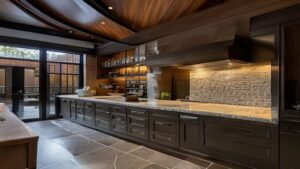
Using Forest Stewardship Council (FSC) materials ensures your cabinetry does not contribute to global deforestation. These timber units offer a timeless aesthetic while meeting the latest UK sustainability benchmarks for indoor air quality.
Recycled Kitchen Worktops UK Trends
Traditional granite and quartz are being replaced by innovative circular economy materials. Recycled kitchen worktops UK options now include sophisticated glass-bio-resin composites and reclaimed paper-based surfaces.
These materials are non-porous and highly durable, making them perfect for busy family environments. They offer a unique, bespoke texture that mass-produced stones simply cannot replicate in a modern house extension.
Energy Efficiency and the Future Homes Standard
Energy performance is a critical pillar of Sustainable Kitchen Design 2026. The shift away from gas is now complete, with electric-led solutions dominating the high-end market.
Induction hob efficiency has reached new heights, offering 90% energy transfer compared to just 40% for gas. This rapid heating technology reduces cooking times and eliminates harmful combustion by-products from your living space.
Smart Kitchen Technology Integration
Smart kitchen technology is no longer a luxury gimmick; it is an essential tool for waste reduction. Intelligent appliances now monitor energy usage in real-time to optimise peak-load consumption.
Structural Considerations for Modern Kitchens
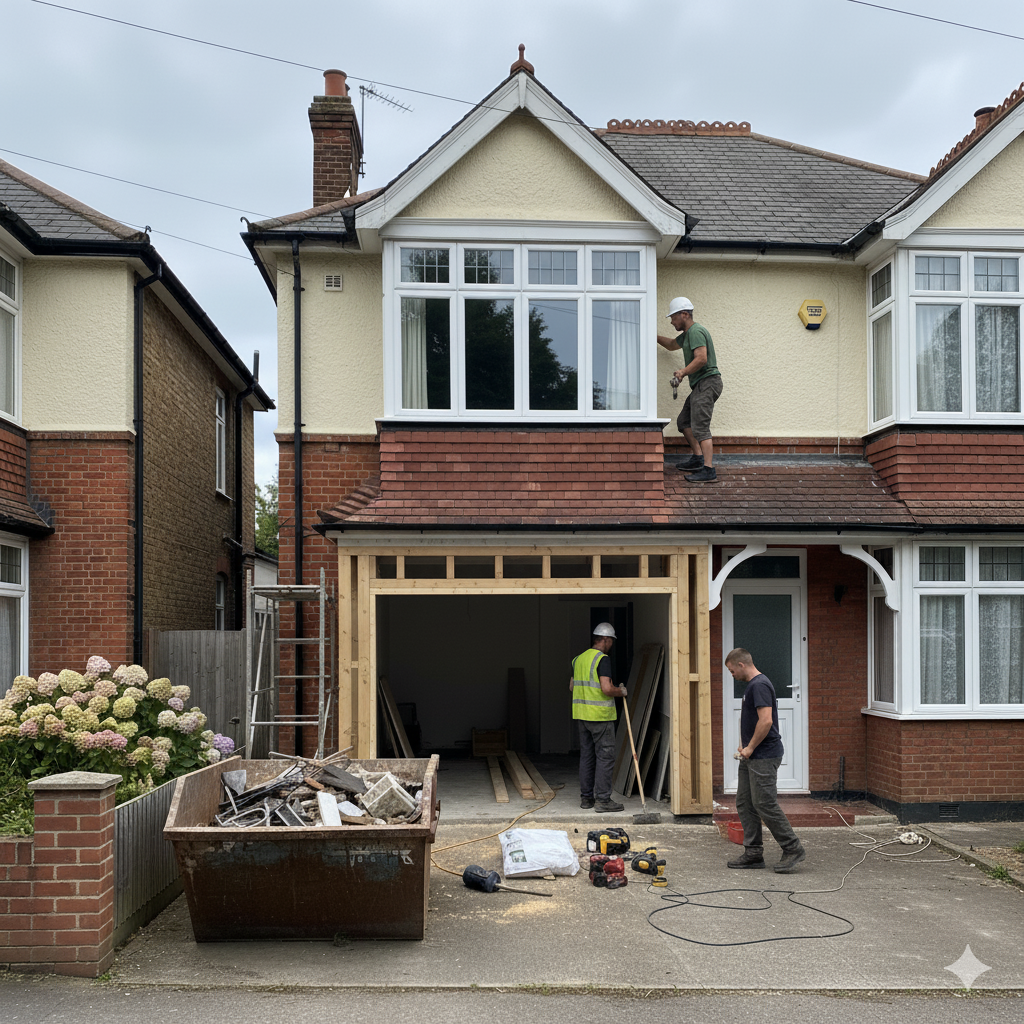
When planning a sustainable kitchen, the structural envelope is as important as the appliances. Many homeowners are opting for a loft conversion to create open-plan kitchen-diner spaces with better natural ventilation.
Proper insulation and high-performance glazing are vital for maintaining thermal efficiency. By using low-carbon building techniques, you can ensure your kitchen remains comfortable throughout the British winter without excessive heating.
Low-VOC Finishes and Air Quality
Indoor air quality is a significant focus of Sustainable Kitchen Design 2026. Traditional paints and glues often release Volatile Organic Compounds (VOCs) that can linger for years.
Specify natural oils and water-based lacquers for your FSC certified timber cabinets. These finishes are healthier for your family and easier to repair, extending the lifecycle of your kitchen furniture significantly.
The Rise of Modular Construction
Modular and prefabricated kitchen pods are becoming popular for their precision and minimal site waste. These units are built in controlled environments to exact specifications before being installed in your new build.
Water Conservation and Waste Management
Water scarcity is a growing concern in many UK regions, leading to stricter Part G building regulations. Modern sustainable kitchens now feature greywater recycling systems that harvest water for garden irrigation.
Integrated waste separation systems are also standard, making it easier to manage recycling and composting. Hidden bins within your cabinetry ensure that sustainability does not compromise the sleek, minimalist aesthetic of your home.
Investing in Longevity
The most sustainable kitchen is one that lasts for decades rather than years. Avoid ‘fast-fashion’ interior trends and focus on high-quality craftsmanship and repairable materials.
Investing in premium British-made cabinetry supports local artisans and reduces shipping emissions. A well-designed sustainable kitchen should be seen as a long-term asset that enhances both your lifestyle and the planet.
Sustainability Checklist for 2026
Conclusion: Your Green Kitchen Journey
Sustainable Kitchen Design 2026 represents the pinnacle of modern British architecture. By combining recycled materials with intelligent technology, you create a space that is both beautiful and responsible.
Whether you are extending your Victorian terrace or building a new eco-home, the choices you make today will define your property’s performance for years to come. Start your sustainable transformation today by choosing materials that respect the environment.