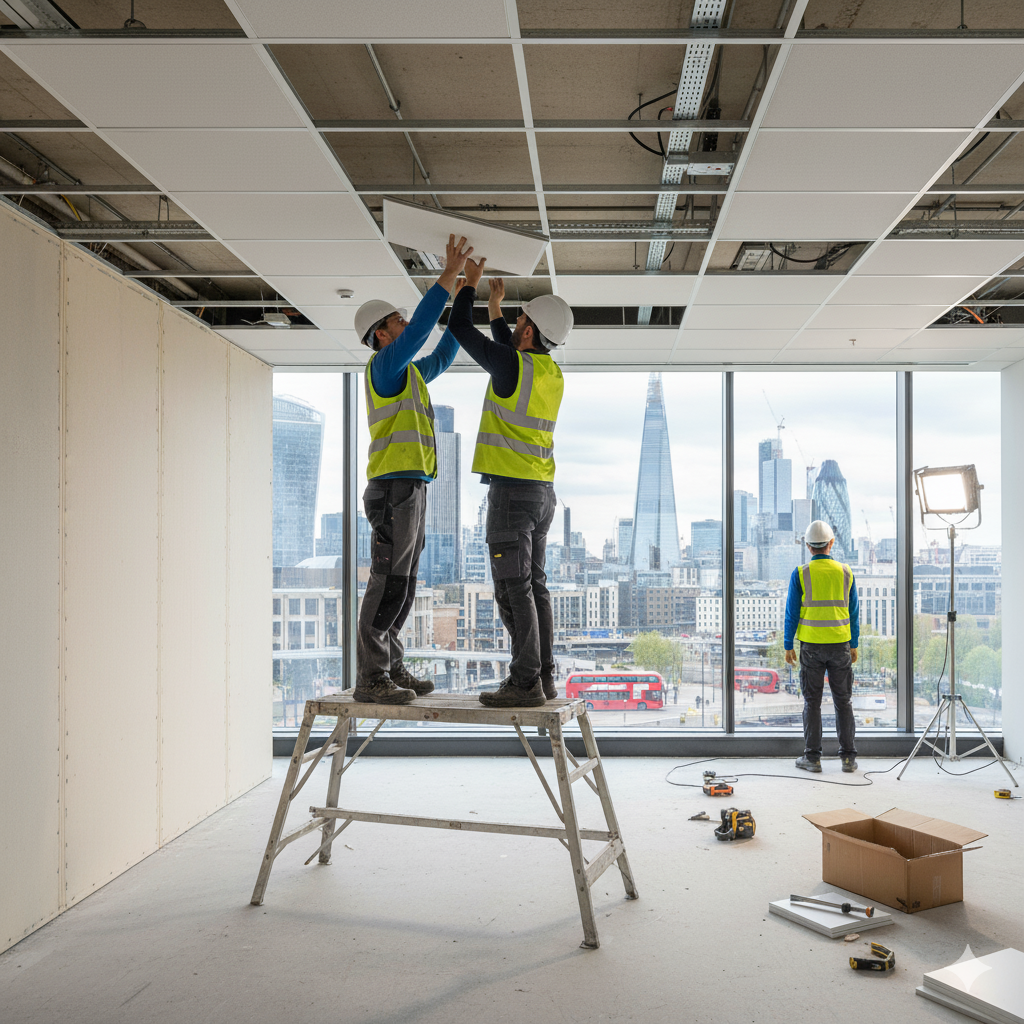
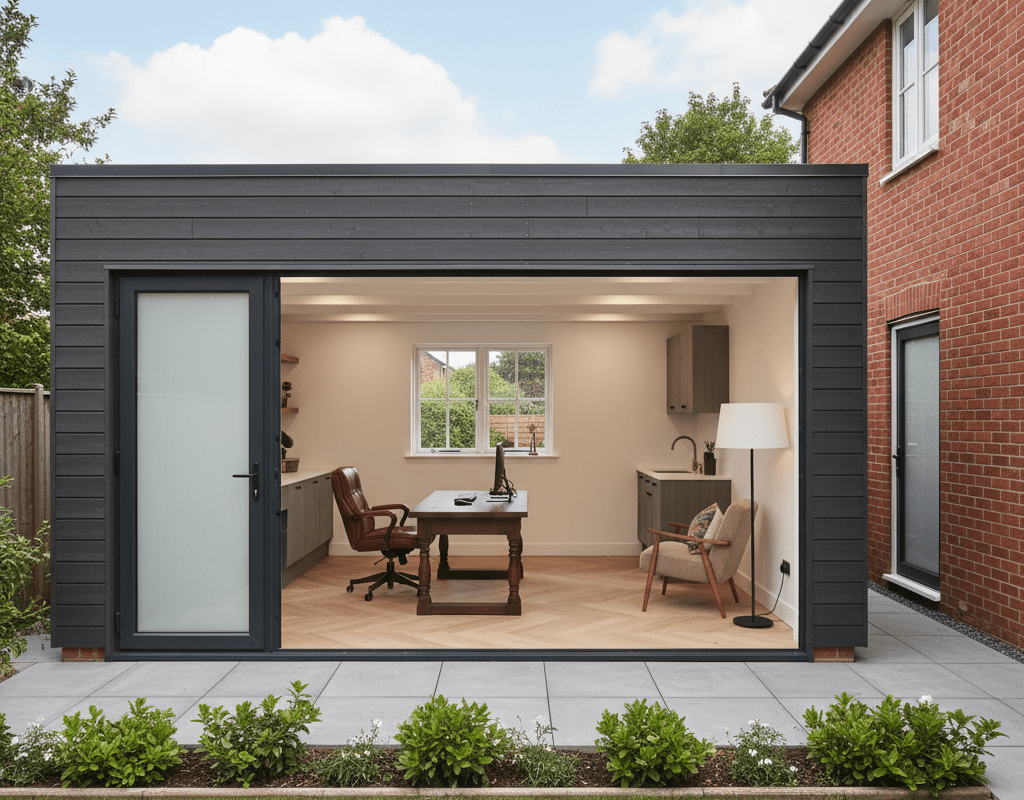


The landscape for sustainable building materials UK 2026 has shifted from niche interest to a mandatory requirement for modern developments.
As we strive toward the UK Government’s 2050 Net Zero targets, developers are prioritising circular economy principles and carbon-sequestering products.
The Rising Demand for Eco-Conscious Construction
By 2026, the Future Homes Standard has completely redefined how we approach residential and commercial builds across London and Manchester.
Selecting the right sustainable building materials UK 2026 is no longer just about aesthetics; it is about meeting stringent thermal efficiency and embodied carbon metrics.
Why Sustainability Matters in 2026
* Regulatory Compliance: New Building Regulations Part L and O require significantly lower U-values.
* Financial Incentives: Green mortgages and sustainability-linked loans offer lower interest rates for low-carbon projects.
* Tenant Demand: Modern occupants prioritise air quality and reduced energy bills through superior insulation.
Low-Carbon Concrete Alternatives and Foundations
Traditional cement is one of the highest carbon emitters in the construction lifecycle, leading to a surge in low-carbon concrete alternatives.
Ground Granulated Blast-furnace Slag (GGBS) and alkali-activated cementitious materials are now standard in high-end UK developments.
Benefits of Advanced Concrete Substitutes
- Embodied Carbon Reduction: Some alternatives reduce CO2 emissions by up to 80% compared to Portland cement.
- Structural Durability: Many low-carbon mixes offer superior resistance to sulphate attack and chloride ingress.
- Thermal Mass: These materials retain the cooling and heating benefits of traditional concrete without the environmental guilt.
The Shift to Recycled Steel Sections in Modern Frames
The UK steel industry has undergone a radical transformation, with recycled steel sections now dominating the structural market.
Electric Arc Furnace (EAF) production allows for the creation of high-strength beams from 100% scrap metal, powered by renewable energy.
Why Choose Recycled Steel?
* Infinite Recyclability: Steel can be repurposed indefinitely without losing its structural integrity or strength.
* Precision Engineering: Modern recycled sections are fabricated with millimetre precision, reducing on-site waste significantly.
* Faster Assembly: Prefabricated steel components allow for rapid site assembly, reducing local disturbance in busy cities like Birmingham.
High-Performance Bio-Based Materials: Hempcrete Blocks
Hempcrete blocks have become a staple for sustainable building materials UK 2026 due to their exceptional carbon sequestration properties.
This material actually absorbs more CO2 during its growth and curing process than it emits during production.
Key Advantages of Hempcrete
* Vapour Permeability: Hempcrete allows buildings to ‘breathe,’ preventing damp and mould in the traditional UK climate.
* Insulation Excellence: It provides a unique combination of thermal insulation and thermal mass.
* Fire Resistance: Despite being plant-based, hempcrete blocks offer excellent fire rating compliance for residential use.
FSC Certified Timber UK: The Backbone of Green Architecture
Timber remains the gold standard for sustainable framing, provided it is sourced as FSC certified timber UK.
In 2026, Cross-Laminated Timber (CLT) is frequently used for mid-rise urban developments in the Cotswolds and London suburbs.
Timber Implementation Checklist
- Verification: Always ensure the FSC or PEFC chain of custody is documented for every delivery.
- Moisture Control: Protect timber elements during the construction phase to prevent long-term structural movement.
- End-of-Life Planning: Design joints for easy disassembly to ensure the timber can be reused in future projects.
Smart Integration and Circular Economy Principles
Beyond the materials themselves, the way we source and track components has evolved through Digital Twins and Material Passports.
Every beam and block is now often tagged with a QR code detailing its origin, carbon footprint, and recycling potential.
The Future of Smart Site Management
* Zero Waste Sites: AI-driven procurement ensures that exactly the right amount of material is delivered to the site.
* Local Sourcing: Reducing the ‘material miles’ by sourcing stone and aggregates from regional UK quarries.
Cost Implications and ROI in 2026
While the initial outlay for sustainable building materials UK 2026 can be 5-10% higher, the long-term ROI is undeniable.
Lower operational costs and higher resale values for ‘A’ rated EPC properties make green building the most financially sound choice.