

Sustainable Building Materials UK 2026: A Future-Proof Guide
Navigating the landscape of sustainable building materials UK 2026 requires a deep understanding of Net Zero targets and evolving building regulations. As we move further into 2026, the British construction industry is prioritising low-carbon solutions to meet stringent Part L requirements.
Selecting the right materials is no longer just about aesthetics; it is about thermal efficiency and long-term carbon sequestration. For homeowners and developers, this shift represents a significant opportunity to increase property value while reducing environmental impact.
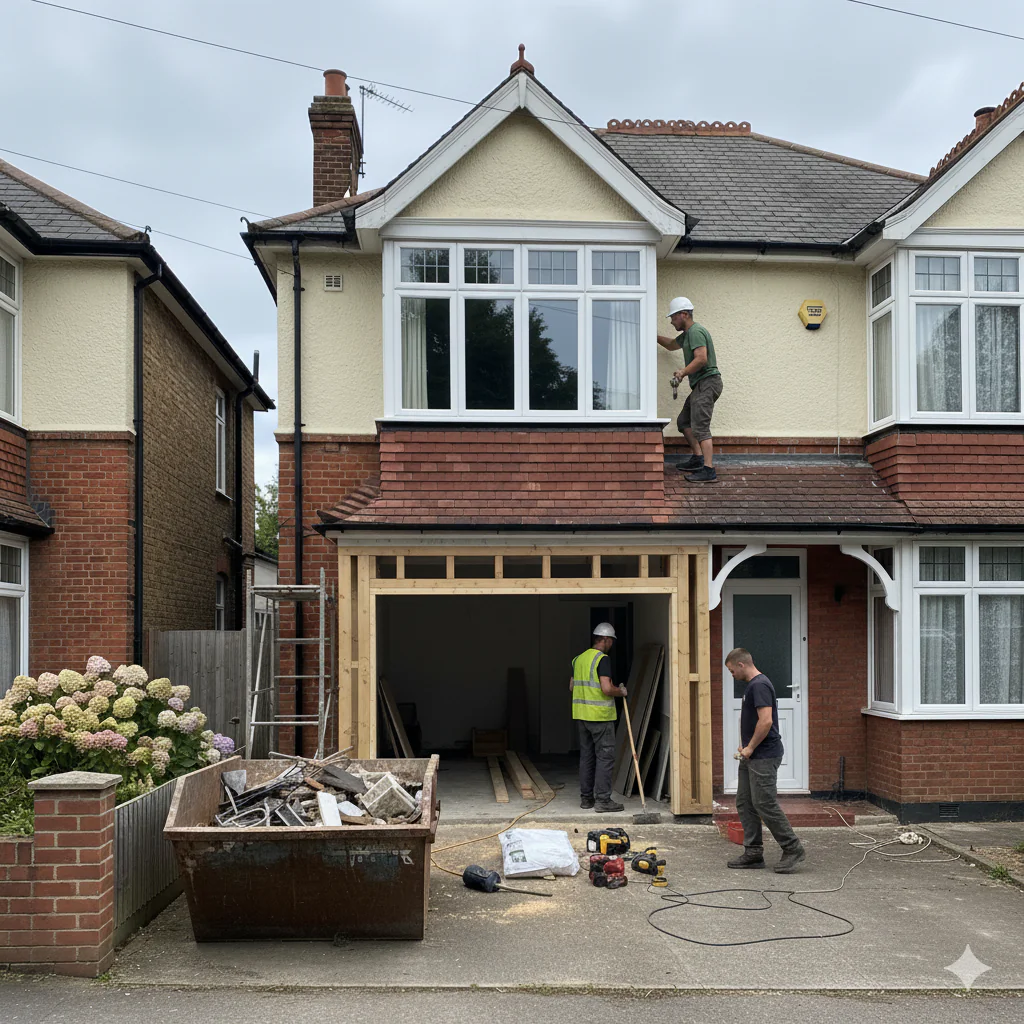
Whether you are planning bespoke house extensions or a new build, choosing the right components is critical. Let us explore the materials defining the UK architectural landscape this year.
The Rise of Low Carbon Concrete in UK Construction
Traditional concrete is one of the highest carbon emitters in the construction sector. In 2026, the shift towards low carbon concrete has become the industry standard for foundation work and structural slabs.
These mixes often replace a high percentage of Portland cement with ground granulated blast-furnace slag (GGBS) or fly ash. This reduces the embodied carbon of a project by up to 80% without compromising structural integrity.
* Enhanced Durability: Improved resistance to chemical attacks.
* Carbon Offsetting: Significantly lower lifecycle emissions.
* Regulatory Compliance: Easily meets the 2026 sustainability standards.
Why Hempcrete Blocks are Dominating Residential Projects
In 2026, hempcrete blocks have emerged as a favourite for London and Cotswolds renovations. These blocks are made from the woody core of the hemp plant mixed with a lime-based binder.
They offer incredible thermal mass, meaning they regulate indoor temperatures naturally throughout the British seasons. This reduces the reliance on energy-intensive HVAC systems in modern homes.
If you are considering a loft conversion, hempcrete offers a lightweight yet insulating alternative to traditional masonry. It is particularly effective in upgrading the thermal envelope of Victorian and Georgian properties.
Recycled Timber: Aesthetics Meets Ethics
The use of recycled timber is at an all-time high in 2026. From reclaimed floorboards to structural glulam beams, reused wood is a cornerstone of the circular economy.
Modern processing techniques now allow for recycled timber to be graded for structural use. This ensures that even the most ambitious architectural designs can remain environmentally responsible.
* Character: Provides a unique patina that new timber cannot replicate.
* Waste Reduction: Diverts high-quality wood from UK landfills.
* Resource Efficiency: Uses significantly less energy than harvesting and kiln-drying new timber.
Eco-Friendly Cladding and External Finishes
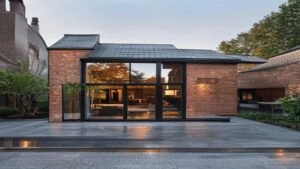
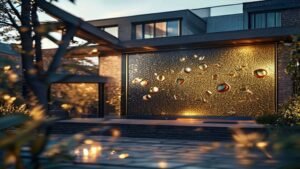
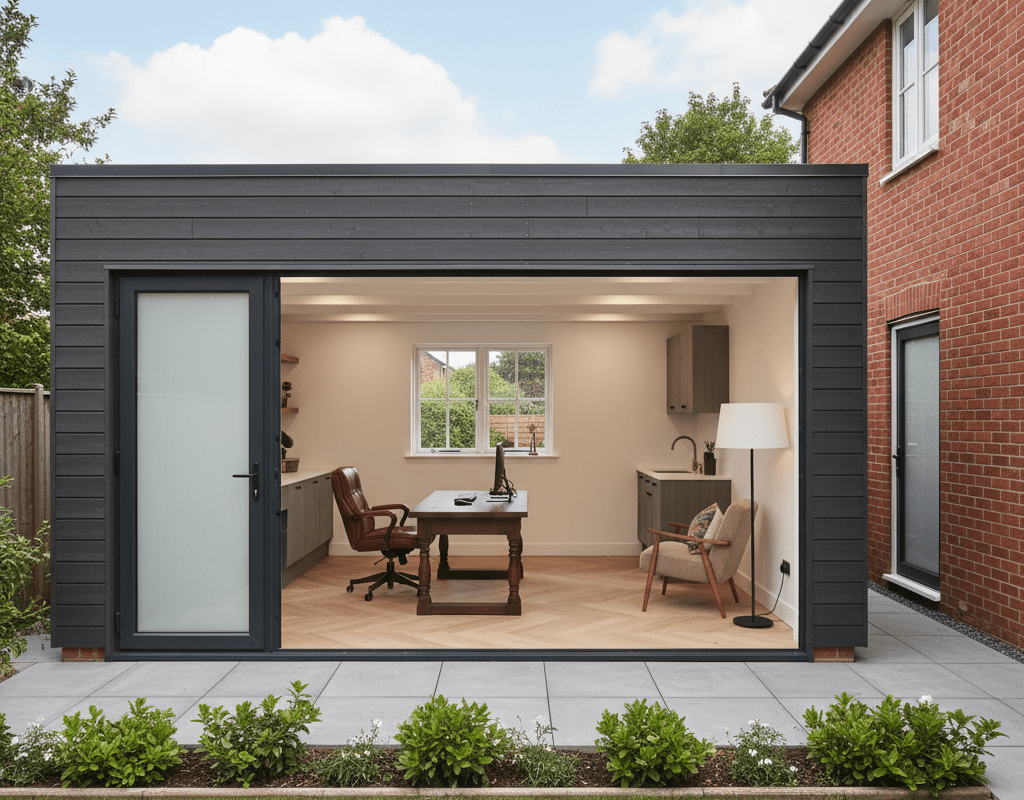
External aesthetics are being redefined by eco-friendly cladding solutions. In 2026, we are seeing a massive uptake in charred timber (Shou Sugi Ban) and recycled aluminium panels.
These materials are designed for longevity and minimal maintenance. They provide a high-performance weather barrier while ensuring the building remains visually striking.
* Zinc Cladding: 100% recyclable and lasts for over 100 years.
* Thermally Modified Wood: Chemical-free treatment that increases rot resistance.
* Bio-Composite Panels: Made from agricultural waste and natural resins.
For those looking to modernise their exterior, exploring garage conversions with sustainable cladding can completely transform a property’s kerb appeal. This approach aligns perfectly with the 2026 preference for natural, tactile finishes.
Smart Integration and Part O Compliance
Material choice in 2026 is also dictated by Part O of the Building Regulations, which focuses on overheating. High-performance glazing and solar shading are now essential components of the sustainable material palette.
Integrated PV (Photovoltaic) tiles are now being used alongside traditional Welsh slate. This allows homes to generate their own power without the visual clutter of traditional solar panels.
Cost Implications of Sustainable Materials in 2026
While the initial outlay for sustainable building materials UK 2026 can be 10-15% higher, the long-term savings are undeniable. Reduced energy bills and lower maintenance costs provide a rapid return on investment.
Furthermore, UK lenders are now offering ‘Green Mortgages’ with lower interest rates for buildings that achieve high EPC ratings. This financial incentive is driving the mass adoption of low-carbon technologies.
* Initial Cost: Higher for specialised items like hempcrete.
* Operating Cost: Drastically lower due to superior insulation.
* Resale Value: Homes with high sustainability credentials command a premium in the 2026 market.