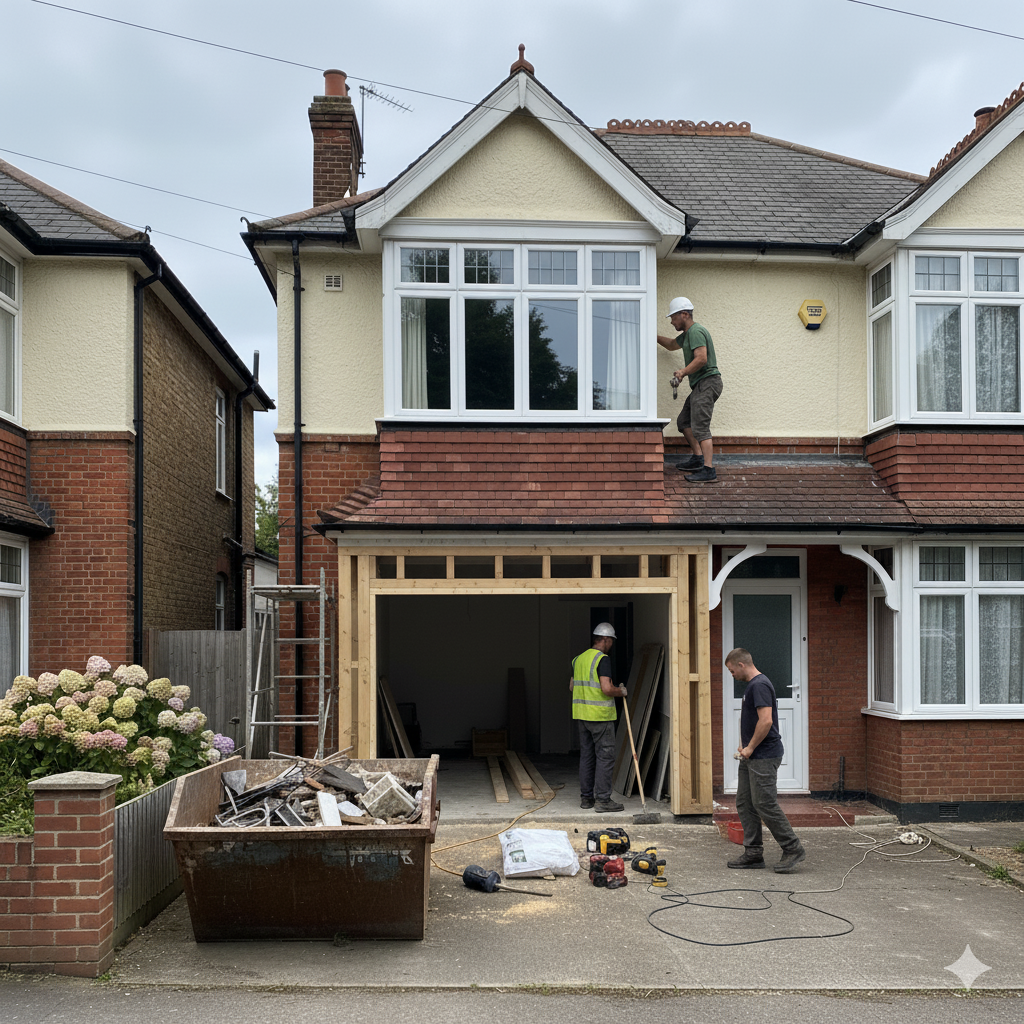



Retrofitting traditional UK homes 2026 is no longer just a trend but a necessity for homeowners facing rising energy costs. Balancing heritage charm with modern Net Zero requirements requires a specialised approach to building science.
Today, homeowners across London and the Cotswolds are prioritising sustainability without compromising architectural integrity. This guide explores the latest methodologies for upgrading heritage assets while maintaining their structural health.
The Evolution of Heritage Building Retrofitting in 2026
Heritage building retrofitting has undergone a significant transformation this year due to updated 2026 UK Building Regulations. New standards now mandate specific thermal performance benchmarks even for Grade II listed properties.
Modern solutions focus on non-invasive techniques that respect the original fabric of the building. We are seeing a massive shift towards circular economy materials that offer high thermal mass and durability.
Key Drivers for 2026 Retrofits
* Energy Performance Certificate (EPC) Targets: Most rental properties must now achieve a minimum Grade C rating.
* Smart Grid Integration: Incorporating smart energy management systems into historic structures is now standard practice.
* Carbon Reduction Grants: New government incentives for 2026 make deep retrofits more financially accessible for UK homeowners.
Advanced Period Property Insulation Strategies
Effective period property insulation requires a deep understanding of how historic buildings ‘breathe’ compared to modern cavity-wall constructions. Using the wrong materials can trap moisture and lead to catastrophic timber decay.
In 2026, the industry has moved away from synthetic foams in favour of natural, bio-based insulators. These materials provide excellent thermal resistance while allowing moisture vapour to escape naturally.
Recommended Insulation Materials for 2026
- Sheep’s Wool: Naturally fire-retardant and moisture-regulating, making it perfect for loft spaces.
- Hempcrete: Ideal for infilling timber frames while providing substantial thermal mass.
- Vacuum Insulation Panels (VIPs): Ultra-thin solutions for internal wall insulation where space is at a premium.
- Wood Fibre Boards: Excellent for external or internal wall applications due to high vapour permeability.
Implementing Breathable Wall Systems
One of the most critical components of a successful 2026 retrofit is the use of breathable wall systems. Traditional solid-walled homes rely on the movement of air and moisture through the masonry to stay dry.
Modern lime-based renders and plasters are essential for maintaining this equilibrium. These systems prevent the common ‘damp’ issues associated with cement-based repairs in older London stock brick or Cotswold stone homes.
Benefits of Vapour-Permeable Systems
* Mould Prevention: Eliminates interstitial condensation by allowing water vapour to pass through the substrate.
* Structural Longevity: Prevents the freeze-thaw damage often caused by moisture trapped behind non-breathable paints.
* Indoor Air Quality: Natural finishes often contain fewer VOCs, creating a healthier living environment for occupants.
Traditional Home Energy Efficiency: Tech and Glazing
Achieving traditional home energy efficiency often involves tackling the most significant points of heat loss: windows and doors. In 2026, vacuum-sealed slimline double glazing has become the gold standard for heritage projects.
These units fit into existing timber sashes, providing the thermal performance of triple glazing without the bulky profile. This technology allows homeowners to retain original aesthetics while drastically reducing draughts.
2026 Smart Energy Checklist
* Air Source Heat Pumps (ASHPs): Low-temperature systems now optimised for traditional radiator circuits.
* Waste Water Heat Recovery: Installing systems that capture heat from shower drains to pre-heat incoming water.
* Phase Change Materials (PCM): Using advanced plasters that store heat during the day and release it at night.
Navigating Planning Permission for Heritage Retrofits
Planning departments in Manchester and Birmingham have streamlined the ‘Listed Building Consent’ process for energy upgrades in 2026. Local authorities now prioritise ‘sensitive decarbonisation’ over rigid preservation in many cases.
It is essential to provide a detailed Heritage Impact Assessment (HIA) when proposing significant thermal upgrades. Working with specialist consultants ensures your retrofit aligns with both modern standards and conservation principles.
Documentation Required for 2026 Submissions
- Detailed Thermal Modelling: Showing the predicted ‘before and after’ energy performance.
- Moisture Risk Analysis: Demonstrating that the proposed insulation won’t cause damp issues.
- Material Samples: Providing physical examples of lime renders or slimline glazing units.
Conclusion: The Future of UK Heritage
Retrofitting traditional UK homes 2026 is an investment in the longevity of the UK’s unique architectural landscape. By combining traditional craftsmanship with 21st-century science, we can create warm, efficient, and sustainable homes.
The key is to act now, utilising the available technologies and grants to future-proof your property. A well-executed retrofit not only saves money but preserves history for generations to come.