


RAAC Survey for Homeowners UK: The Definitive 2026 Guide to Structural Safety
Ensuring your property remains structurally sound is a priority for every resident, which is why a RAAC Survey for Homeowners UK has become an essential requirement in 2026. Reinforced Autoclaved Aerated Concrete (RAAC) is a lightweight material used in UK residential construction from the 1950s through to the 1990s.
While originally praised for its thermal properties, RAAC is now known to have a limited lifespan and carries a risk of sudden structural failure. If you own a property built or extended during this period, booking professional RAAC concrete checks is the only way to ensure your family’s safety.
Understanding the Risks of RAAC in 2026
By 2026, the UK government has implemented stricter mandates regarding the identification and management of aerated concrete in domestic buildings. This material is significantly less durable than traditional reinforced concrete and can deteriorate rapidly when exposed to moisture or poor drainage.
Homeowners must realise that standard valuation surveys often overlook these specific structural nuances. A dedicated structural survey for RAAC is necessary to identify the distinctive ‘bubbly’ texture of the concrete planks hidden behind ceilings or within floor structures.
How to Identify if Your Home Needs an Inspection
Not every home requires an immediate inspection, but certain architectural styles and construction eras are at significantly higher risk. Properties built with flat roofs or those featuring prefabricated modular elements from the mid-20th century should be prioritised for a home safety inspection UK specialist visit.
Look for these primary indicators of potential RAAC presence in your property:
The Professional RAAC Survey Process
A comprehensive RAAC Survey for Homeowners UK follows a rigorous protocol to ensure no structural deficit is ignored. Our expert surveyors utilise non-destructive testing (NDT) methods to assess the integrity of your home’s framework without causing unnecessary damage.
Remediating Aerated Concrete: 2026 Solutions
If your survey confirms the presence of RAAC, the focus shifts immediately to remediating aerated concrete to prevent structural collapse. Modern 2026 techniques have evolved to provide less invasive and more cost-effective solutions than previous years.
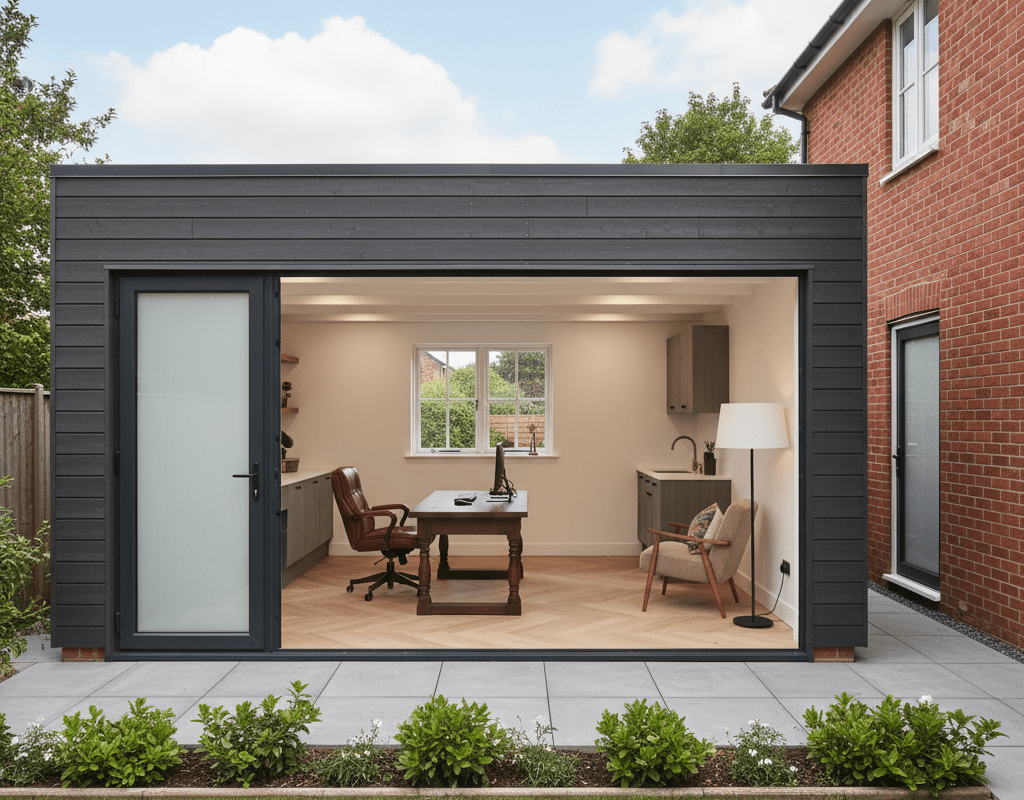
Structural reinforcement often involves the installation of secondary timber or steel supports. In many cases, homeowners choose to integrate these repairs with a modern house extension to completely replace the high-risk sections with sustainable, Net Zero materials.
Impact on Property Value and Insurance
In the current 2026 UK property market, an uncertified RAAC risk can lead to significant devaluations or the inability to secure a mortgage. Lenders now require a ‘Clearance Certificate’ from a certified structural survey for RAAC provider before approving any residential property transactions.
Furthermore, home insurance premiums in regions like London and the South East have risen for properties that lack documented RAAC concrete checks. Proactive management not only ensures safety but protects your long-term financial investment in the property.
Future-Proofing Your Home with Sustainable Materials
When replacing RAAC sections, the 2026 Future Homes Standard encourages the use of high-performance, low-carbon alternatives. We recommend moving away from aerated materials toward cross-laminated timber (CLT) or high-density sustainable concrete blocks.
These materials offer superior thermal mass and longevity compared to 20th-century aerated concrete. By upgrading your structure now, you ensure compliance with the latest Part O regulations regarding overheating and Part L regarding fuel and power conservation.
Cost of a RAAC Survey in the UK
The cost of a RAAC Survey for Homeowners UK typically varies based on the size of the property and the complexity of the access. On average, a standard residential inspection for a three-bedroom semi-detached home in 2026 ranges from £650 to £1,200 plus VAT.
While this represents an initial outlay, it is far more affordable than the emergency remediation costs associated with a structural failure. Early detection allows for planned maintenance rather than reactive, high-cost structural overhauls.
Why Choose a Professional Home Safety Inspection?
A general builder is often not qualified to provide the technical certification required for RAAC identification. You must engage a Chartered Structural Engineer or a specialist surveyor who understands the specific failure modes of aerated concrete.
A professional home safety inspection UK will provide a detailed report that can be used for insurance purposes and building control compliance. This document serves as your definitive proof that the property is safe for habitation and meets modern structural benchmarks.
Summary of Homeowner Responsibilities
As a UK homeowner in 2026, you hold the legal responsibility for the structural safety of your premises. Ignoring the signs of RAAC can lead to legal liabilities and unsafe living conditions for your family.
Taking these steps today ensures your home remains a safe, valuable, and sustainable asset for decades to come.