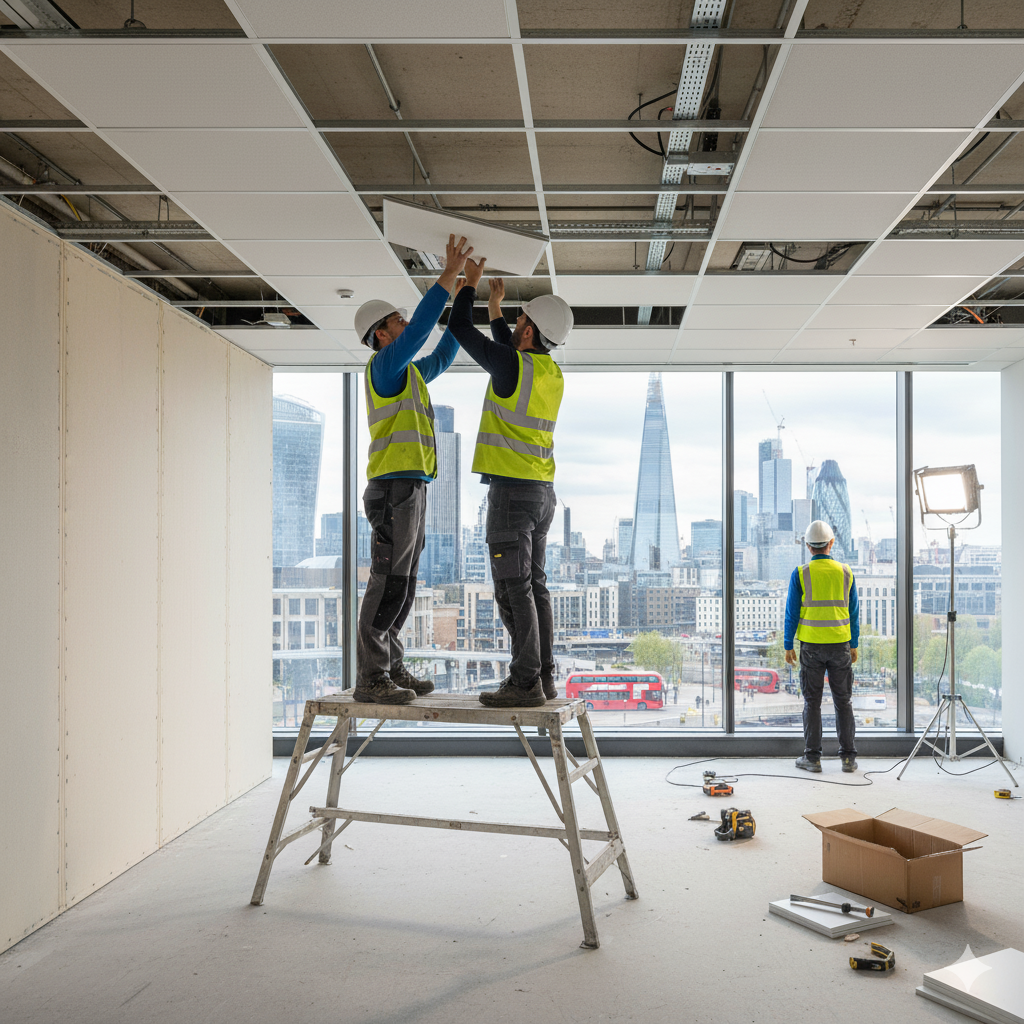


RAAC Remediation Residential UK: The 2026 Definitive Safety Guide
Reinforced Autoclaved Aerated Concrete (RAAC) has become a critical concern for UK homeowners in 2026. This lightweight ‘bubbly’ concrete, once popular between the 1950s and 1990s, is now reaching the end of its intended lifespan.
Professional RAAC remediation residential UK services are essential for ensuring the structural integrity of older properties. Understanding the risks and the modern solutions available is the first step toward a safe, future-proofed home.
Identifying RAAC in Homes: What You Need to Look For
Identifying RAAC in homes requires a keen eye and often a professional structural survey. RAAC is most commonly found in flat roofs, but it was also utilised in some floors and wall panels of 20th-century builds.
Look for light grey or white concrete planks that appear porous, almost like a solidified sponge or Aero chocolate bar. Unlike standard dense concrete, RAAC planks are typically 600mm wide and feature distinctive chamfered edges.
Common Locations for RAAC Planks
* Flat roof constructions on mid-century extensions.
* Internal floor decks in converted residential blocks.
* Pre-cast wall panels in system-built housing estates.
If you suspect your property contains this material, do not attempt to drill into it. Immediate consultation with a specialist in structural renovation UK is the safest course of action.
The Risks of Delayed RAAC Remediation
By 2026, many RAAC installations have exceeded their 30-year design life. The primary risk involves sudden structural failure without the ‘warning’ cracks typically seen in traditional reinforced concrete.
Water ingress is the biggest catalyst for collapse, as it causes the internal steel reinforcement to corrode rapidly. This process, known as ‘carbonation’, weakens the bond between the aerated concrete and the steel bars.
RAAC Roof Replacement Costs in 2026
Budgeting for RAAC roof replacement costs in the current market requires an understanding of modern material prices. In 2026, costs are influenced by the Future Homes Standard and the demand for high-performance insulation.
On average, a residential RAAC roof replacement ranges from £350 to £600 per square metre. This figure includes the safe removal of the hazardous planks, structural steel reinforcement, and the installation of a new, thermally efficient roof system.
Factors Influencing Your Investment
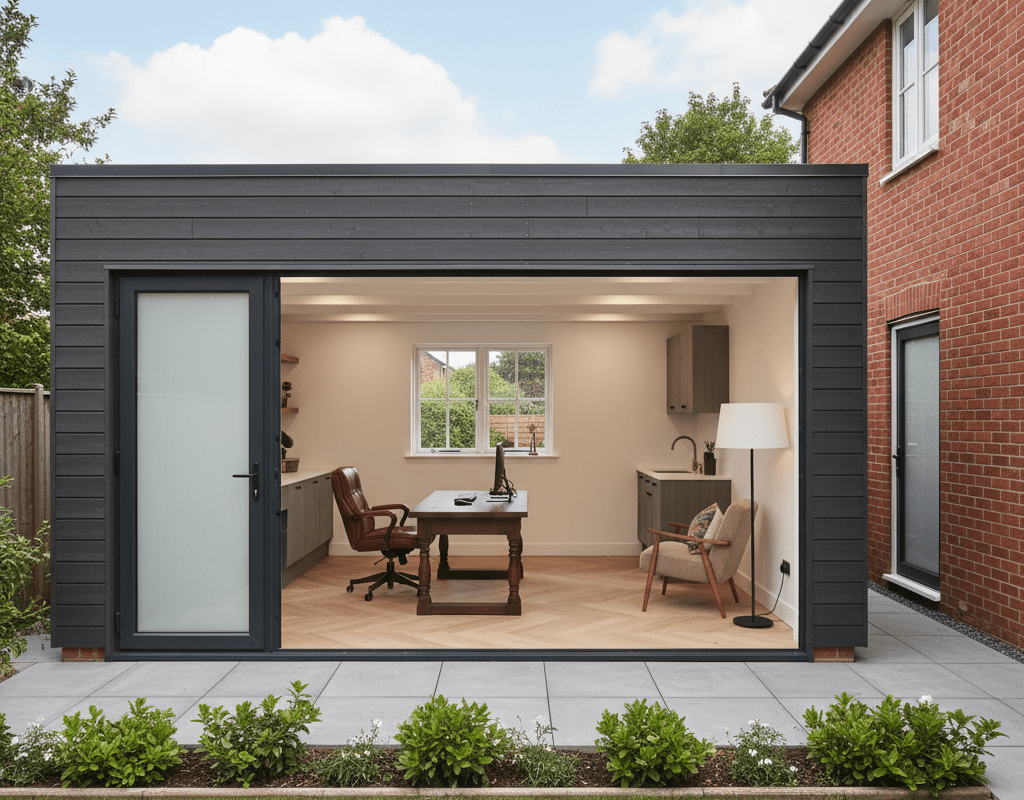
For those considering a total overhaul, integrating these repairs into house extensions can be a cost-effective way to manage site overheads.
Modern Solutions for Safe Concrete Remediation
Safe concrete remediation in 2026 focuses on permanent replacement rather than temporary propping. While secondary timber or steel supports were used in the past, permanent removal is now the industry gold standard.
We prioritise the use of lightweight timber engineered beams or recycled steel joists to replace failing RAAC. These materials provide superior longevity and align with Net Zero construction goals popular in the South East and London.
The Remediation Process Step-by-Step
* Phase 1: Comprehensive structural mapping and risk assessment.
* Phase 2: Installation of temporary ‘failsafe’ propping systems.
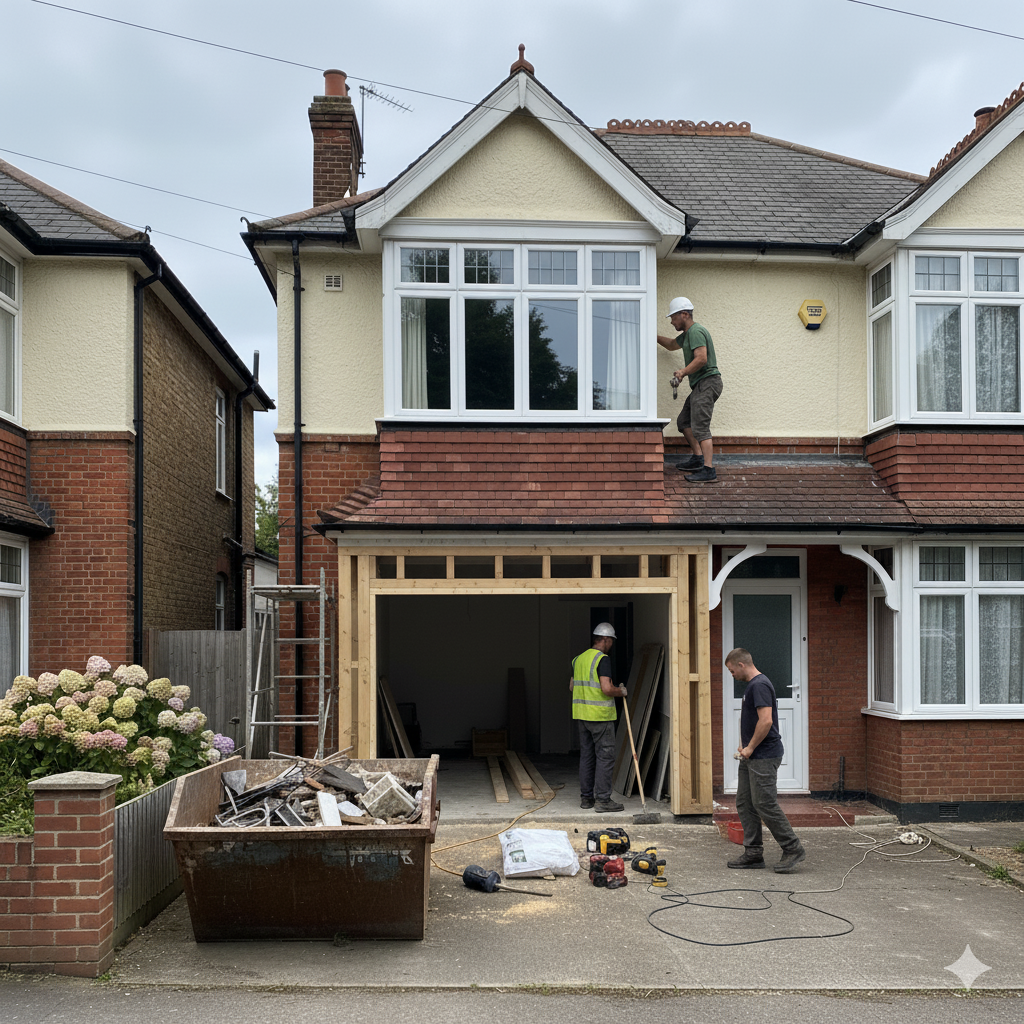
* Phase 3: Systematic removal of RAAC planks and specialist disposal.
* Phase 4: Installation of new high-performance structural decks.
Many homeowners choose this time to explore loft conversions to add value while addressing structural defects. Replacing a RAAC roof provides the perfect opportunity to rethink your property’s upper-level footprint.
Structural Renovation UK: Compliance and Regulations
In 2026, all structural renovation UK projects must adhere to strict updated Building Regulations. This includes the Future Homes Standard, which mandates significantly reduced carbon emissions for all residential works.
Your remediation project must be signed off by a Building Control officer to ensure your property remains insurable. Failure to provide a certificate of remediation will severely impact your ability to sell the property in the future.
Why Professional Accreditation Matters
* Insurance Validity: Uncertified RAAC works can void your buildings insurance policy.
* Mortgageability: Lenders in 2026 require strict proof of safe concrete remediation before approving loans.
* Health and Safety: Professional teams manage the dust and silica risks associated with cutting aerated concrete.
Sustainability and Net Zero in RAAC Replacement
Modern RAAC remediation residential UK is not just about safety; it is about sustainability. In 2026, we utilise low-carbon concrete alternatives and sustainably sourced timber to reduce the environmental impact of your renovation.
Integrating smart sensors during the rebuild can help monitor the moisture levels of your new roof. This proactive approach ensures that the structural issues of the 20th century do not repeat themselves in the 21st.
Choosing the Right Contractor for RAAC Works
Selecting a contractor for safe concrete remediation requires due diligence. Ensure your chosen firm has specific experience with aerated concrete, as it behaves differently from standard masonry.
Ask for recent case studies in regions like Manchester or the Cotswolds to verify their expertise. A reputable builder will provide a transparent breakdown of costs and a clear timeline for the works.
If your project involves complex structural changes, our team specialises in structural renovations that exceed modern safety standards. We ensure your home is not only safe but optimised for 2026 living.
Final Checklist for Homeowners
Don’t let structural uncertainty devalue your home or compromise your safety. Act now to secure your property’s future with professional remediation.