

RAAC Concrete Survey for Garage Conversions: The Definitive 2026 UK Safety Guide
Identifying structural risks is the first step towards a successful home renovation in 2026. A RAAC concrete survey for garage conversions is now a mandatory safety protocol for many UK homeowners.
Reinforced Autoclaved Aerated Concrete (RAAC) was widely used between the 1950s and 1990s. If you are planning a garage transformation, understanding these structural implications is critical for long-term safety.
Why You Need a RAAC Concrete Survey for Garage Conversions
RAAC is a lightweight, ‘bubbly’ concrete that lacks the durability of traditional materials. Many house extensions built in the late 20th century utilised this material in flat roof planks.
Over time, RAAC can absorb moisture, leading to internal reinforcement corrosion. A professional survey ensures your project meets the 2026 structural integrity standards before any aesthetic work begins.
The Risks of Converting 1970s Garages
When converting 1970s garages, you are likely to encounter RAAC in the roofing or lintels. This era was the peak of aerated concrete usage in UK residential outbuildings and garages.
Without a dedicated survey, you risk building a new living space under a failing roof. This can lead to catastrophic structural failure and significantly void your building insurance policies.
Identifying RAAC in Your Garage
* Look for a ‘honeycomb’ texture within the concrete planks.
* Identify light grey or off-white concrete that feels significantly lighter than standard stone.
* Check for 600mm wide planks often used in flat-roof constructions.
RAAC Remediation UK Homes: 2026 Best Practices
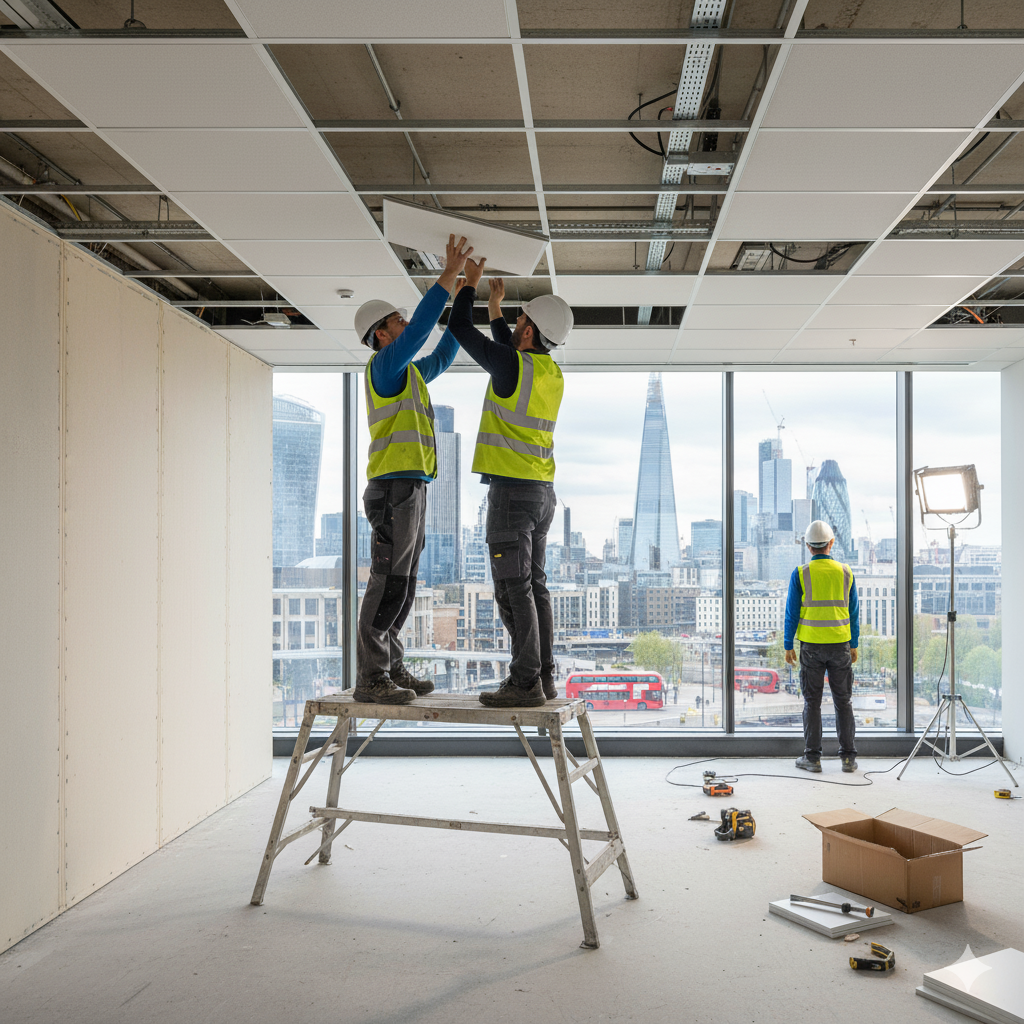
If the survey confirms the presence of aerated concrete, RAAC remediation UK homes strategies must be implemented. This often involves the complete removal of the affected planks and replacement with modern timber or steel.
Replacing a RAAC roof is the most sustainable way to ensure garage conversion structural integrity. This process also allows for the integration of high-performance insulation to meet current thermal requirements.
2026 Remediation Steps
- Appointment of a Chartered Structural Engineer for a detailed assessment.
- Installation of temporary propping if the RAAC shows signs of excessive deflection.
- Systematic removal of aerated concrete planks by certified waste contractors.
- Installation of a new lightweight timber deck or warm roof system.
Meeting the Future Homes Standard Part O
Modern conversions must comply with the Future Homes Standard Part O, which focuses on overheating. This is particularly relevant when replacing old RAAC roofs with modern materials.
Proper glazing and ventilation must be designed to prevent heat gain. This ensures your converted garage remains a comfortable living space throughout the increasingly warm UK summers.
Structural Integrity and Insurance Compliance
Insurance providers in 2026 are increasingly strict regarding RAAC documentation. A certified RAAC concrete survey for garage conversions is often required to secure competitive premiums.
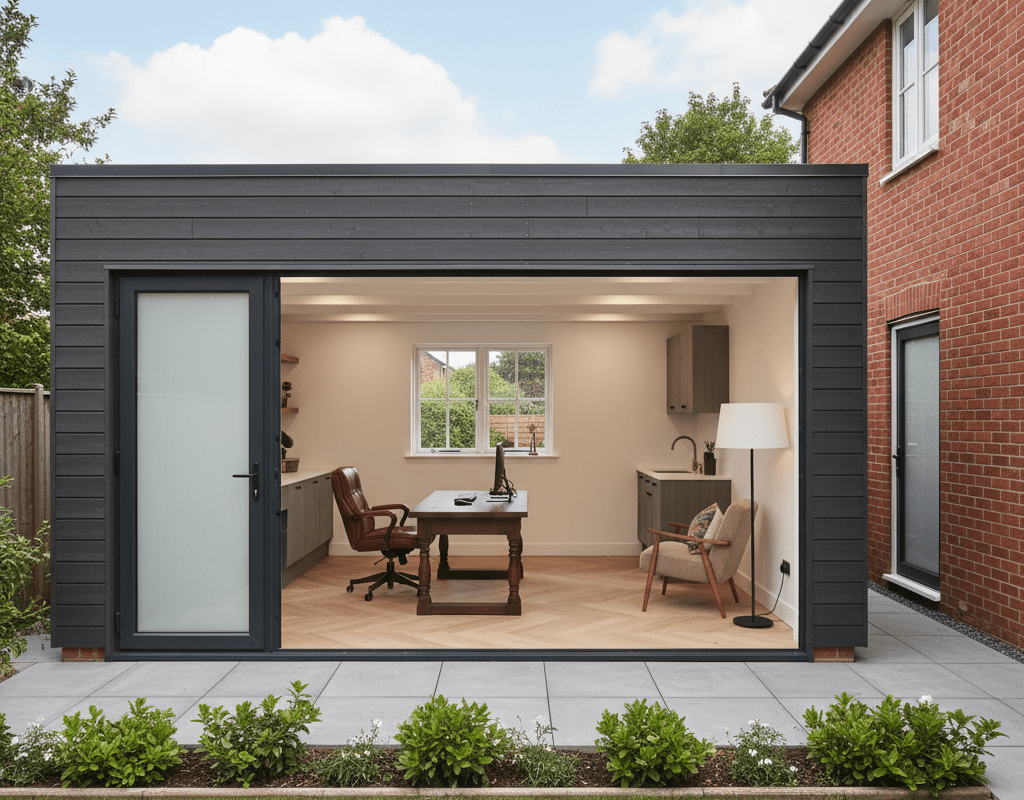
Ensuring loft conversions and garage projects are structurally sound protects your asset value. It also provides peace of mind that your family is safe in their new home office or gym.
Essential Checklist for Homeowners
* Verify the original build date of your garage or extension.
* Review original planning documents for mentions of ‘Siporex’ or ‘Durox’.
* Request a RAAC-specific inspection from your surveyor.
* Obtain a structural certificate once any remediation work is completed.
The Cost of RAAC Surveys and Remediation in 2026
In 2026, a standard RAAC survey typically costs between £600 and £1,200 depending on the property size. While this is an upfront expense, it prevents the thousands of pounds required for emergency repairs.
Remediation costs have stabilised as more UK contractors specialise in aerated concrete removal. Investing in a safe structure now adds significant value to your property’s market price.
Sustainable Building and Carbon Targets
Removing RAAC allows you to utilise carbon-neutral materials in your renovation. Using timber from sustainable UK forests helps your project align with Net Zero targets.
Modern timber joists offer superior strength-to-weight ratios compared to ageing concrete. They also provide a much better substrate for installing solar PV panels or green roof systems.
Benefits of Modern Roof Replacements
* Enhanced thermal performance and lower energy bills.
* Increased load-bearing capacity for solar installations.
* Complete removal of the ‘RAAC risk’ for future buyers.
* Compliance with the latest 2026 Building Regulations.
Professional Guidance for Your Project
Navigating the complexities of RAAC requires professional expertise. Never attempt to modify or drill into suspected RAAC planks without a professional survey.
Safety is paramount when dealing with structural concrete that has reached its end of life. Our team can guide you through the survey process and help plan your remediation strategy efficiently.
Summary of Key Regulatory Updates
The 2026 UK building landscape prioritises safety and thermal efficiency above all else. A RAAC concrete survey for garage conversions is no longer optional for older properties.
By addressing these structural issues early, you ensure your project is built on a solid foundation. This proactive approach saves time, money, and stress during the construction phase.