



The Professional Guide to RAAC Concrete Checks UK in 2026
In 2026, the legacy of Reinforced Autoclaved Aerated Concrete remains a critical concern for UK property owners. Ensuring structural integrity through professional RAAC concrete checks UK is now a standard requirement for insurance and mortgage approvals.
Recent updates to the Future Homes Standard and Part L building regulations have placed greater emphasis on material thermal performance. This makes identifying RAAC in homes even more vital as we transition toward Net Zero residential standards.
Understanding the Risks of RAAC in 2026
RAAC was used extensively between the 1950s and 1990s due to its lightweight properties. However, its limited lifespan of roughly 30 years means many UK structures are now reaching a critical point of potential failure.
Modern structural safety surveys UK are now utilising advanced non-destructive testing to detect moisture ingress and carbonation. These factors significantly accelerate the degradation of the internal steel reinforcement within the aerated concrete planks.
Identifying RAAC in Homes and Residential Extensions
Identifying RAAC in homes requires a keen eye for specific structural characteristics. Most RAAC is found in flat roofing sections, floor planks, or internal wall panels in 20th-century builds.
* Appearance: RAAC planks typically have a light grey or white ‘bubbly’ texture similar to an Aero chocolate bar.
* Dimensions: Standard planks are often 600mm wide and feature chamfered edges between the units.
* Deflection: Look for visible sagging or water ponding on flat roof surfaces, which often indicates internal structural distress.
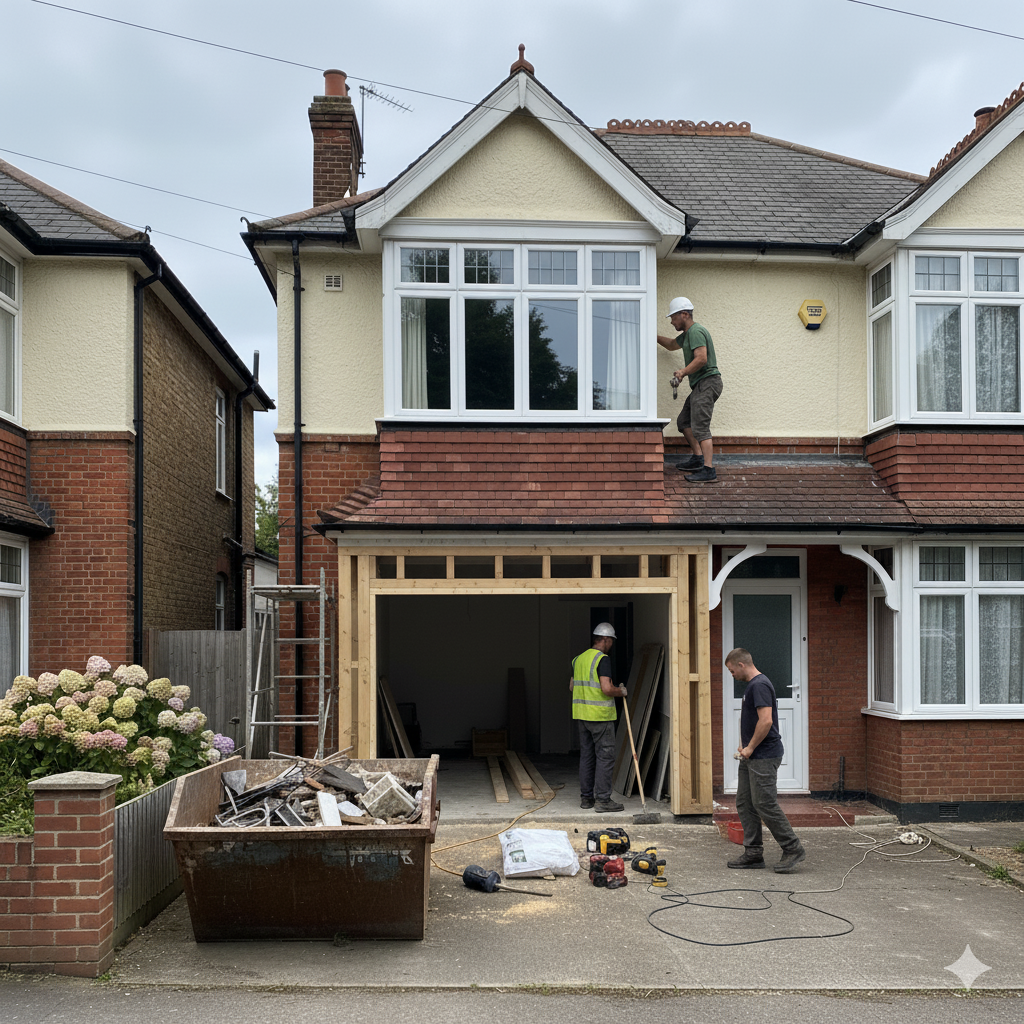
If you are planning significant upgrades, such as house extensions, checking the existing substrate is a mandatory first step. Our team ensures that new structural loads are not placed on compromised legacy materials.
The Importance of Structural Safety Surveys UK
Commissioning a structural safety survey is the only definitive way to confirm the presence and condition of aerated concrete. In 2026, these surveys involve ultrasonic thickness gauging and cover meter surveys to map reinforcement.
Property owners in London, Manchester, and Birmingham must prioritise these checks to protect their asset value. A failed RAAC plank can lead to sudden collapse without significant warning, making proactive management the only safe strategy.
Modern Aerated Concrete Replacement Strategies
When a survey confirms the presence of RAAC, the focus shifts to aerated concrete replacement. Today, we utilise sustainable timber-frame solutions or lightweight steel sections to restore structural integrity while improving thermal efficiency.
* Phase 1: Temporary propping and load redirection.
* Phase 2: Careful removal of the degraded RAAC planks.
* Phase 3: Installation of high-performance SIPs (Structural Insulated Panels) or steel decking.
* Phase 4: Final sealing and integration with the existing building envelope.
During high-end renovations like loft conversions, we often find RAAC in the ceiling of the floor below. Resolving this early prevents costly delays and ensures your new living space meets 2026 building regulations.
RAAC Remediation Specialists: What to Look For
Choosing qualified RAAC remediation specialists is essential for ensuring the work complies with the latest health and safety protocols. You must ensure your contractor is registered with the relevant UK trade bodies and carries specific indemnity insurance.
Specialists will provide a detailed remediation plan that outlines how the building will be stabilised during the removal process. They should also provide a completion certificate that is recognised by UK mortgage lenders and building control.
Cost Factors for RAAC Remediation in 2026
Remediation costs have evolved in 2026 due to the increased price of sustainable materials and specialised labour. Factors such as site access, the extent of the contamination, and the choice of replacement materials all influence the final quote.
Whether you are managing a small residential plot or larger new builds that incorporate older site structures, budgeting for RAAC checks is essential. Early detection is always more cost-effective than emergency structural repairs.
Future-Proofing Your UK Property
By addressing RAAC now, you are future-proofing your property against stricter 2026 building regulations. Enhanced thermal performance is no longer optional; it is a requirement for all modern UK renovations and refurbishments.
Replacing aerated concrete with modern, high-density insulation and sustainable framing reduces your carbon footprint. This alignment with Net Zero goals can significantly increase the resale value of your home in the current UK market.
Conclusion: Take Action Today
Don’t wait for structural signs of failure to appear before booking your RAAC concrete checks UK. Professional intervention ensures your home remains a safe, compliant, and valuable asset for years to come.
Contact us today to discuss how our structural experts can support your project and ensure your property meets the highest standards of safety. Our nationwide network of specialists is ready to assist with surveys and full remediation works.