


Navigating the landscape of permitted development rights UK 2026 updates is essential for homeowners looking to add value. The latest legislative shifts prioritising Net Zero and urban densification have transformed how we approach residential expansion.
Understanding these changes ensures your project remains compliant while avoiding the delays of a full planning application. We explore the critical 2026 updates below to help you plan your next high-end renovation.
The Core Pillars of Permitted Development in 2026
Permitted Development (PD) rights provide a streamlined route for home improvements without the traditional planning hurdles. In 2026, these rights have been further refined to support sustainable building materials and smart home infrastructure.
Recent updates emphasise the ‘fabric-first’ approach, rewarding projects that exceed minimum thermal performance standards. This means your extension could benefit from faster approvals if it incorporates high-performance glazing or heat pump technology.
Key Benefits of Using PD Rights
* Faster Timelines: Bypass the standard 8-12 week planning committee cycle.
* Cost Efficiency: Significant reduction in professional planning consultant fees.
* Design Freedom: Greater flexibility within specific volumetric limits.
* Property Value: Seamlessly add square footage to London or Manchester properties.
Updated Rear Extension Limits 2026
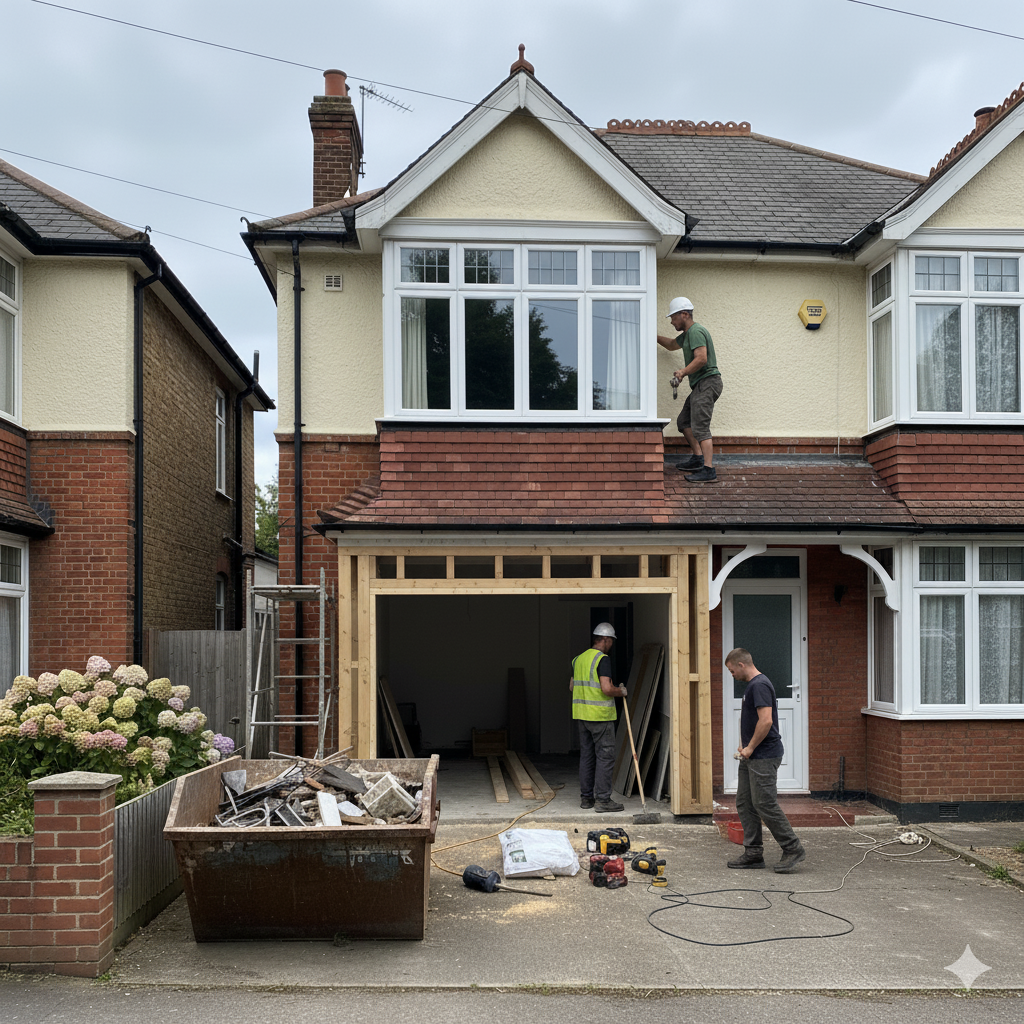
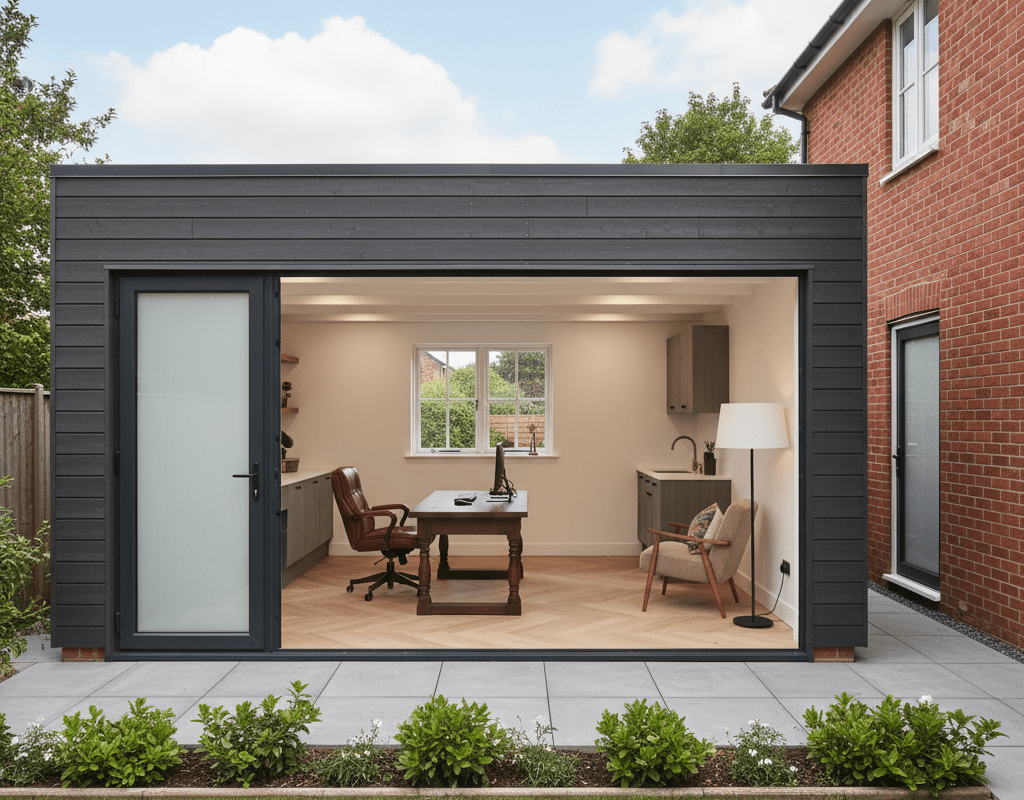
The 2026 rear extension limits have introduced stricter environmental criteria alongside traditional size constraints. Single-storey extensions remain a popular choice for modernising Victorian terraces and semi-detached homes.
For detached houses, you can still extend up to 8 metres, while semi-detached and terraced houses are limited to 6 metres. However, the 2026 updates now require a ‘Sustainable Drainage System’ (SuDS) plan for any extension exceeding 20 square metres.
Essential Rear Extension Constraints
- Height Limits: Maximum height remains 4 metres for single-storey additions.
- Eaves Height: Must not exceed 3 metres if within 2 metres of the boundary.
- Materials: Must be of a similar appearance to the existing dwelling to maintain local character.
- Site Coverage: The extension cannot occupy more than 50% of the total land area around the original house.
Loft Conversion Planning Rules: 2026 Standards
Loft conversion planning rules have seen significant adjustments regarding ‘volume allowance’ and window placements. In 2026, the emphasis is on creating breathable, light-filled spaces that reduce the need for artificial lighting.
For most UK terraced houses, the allowance is 40 cubic metres, while semi-detached and detached homes enjoy 50 cubic metres. These updates now mandate the inclusion of solar-ready roof fixings for any new dormer structure.
Loft Conversion Checklist
* Volume Calculation: Ensure the total volume includes any previous roof additions since 1948.
* Setback Requirements: Dormers should be set back at least 20cm from the original eaves where possible.
* Window Specifications: Side-facing windows must be obscure-glazed and non-opening unless 1.7m above the floor.
* Ecological Impact: A bat survey may be required if your roof space shows signs of nesting activity.
Navigating the Neighbour Consultation Scheme
The neighbour consultation scheme remains a cornerstone of the prior approval process for larger extensions. This scheme allows the local authority to assess whether your proposal impacts the amenity of adjoining properties.
In 2026, the process has been digitised to increase transparency and speed up response times. Neighbours have 21 days to raise objections based on overshadowing, privacy, or loss of light.
How to Handle Objections
* Pre-emptive Dialogue: Discuss your plans with neighbours before submitting the prior approval notice.
* Daylight Assessments: Provide a professional sunlight report to mitigate concerns about overshadowing.
* Design Adjustments: Be prepared to slightly modify roof pitches or window placements to satisfy reasonable concerns.
Class MA Prior Approval: Commercial to Residential
Class MA prior approval remains a vital tool for developers converting commercial units into luxury residential apartments. The 2026 updates have tightened the rules on natural light, ensuring every habitable room has adequate glazing.
This pathway is particularly effective for high-street rejuvenation in cities like Birmingham and Leeds. It allows for the conversion of Class E buildings without a full change-of-use planning application.
Class MA Requirements in 2026
- Vacancy Period: The building must have been vacant for at least 3 continuous months before application.
- Size Limit: A maximum floor space of 1,500 square metres can be converted under this right.
- Article 4 Directions: Always check if your local council has restricted PD rights in your specific conservation area.
Sustainability and Net Zero Integration
The 2026 updates prioritise the UK’s commitment to Net Zero carbon emissions by 2050. Any project under PD rights is now encouraged to integrate renewable energy sources and sustainable insulation.
Using materials like cross-laminated timber (CLT) or recycled London stock brick is highly favoured. These materials not only reduce carbon footprints but also align with the aesthetic requirements of many UK councils.
2026 Material Trends
* Natural Stone: Cotswold stone and Welsh slate for premium, durable finishes.
* Smart Glass: Electrochromic glazing that adjusts tint based on sunlight intensity.
* Green Roofs: Sedum blankets on flat extensions to improve biodiversity and urban cooling.
Strategic Planning for Your 2026 Project
To successfully leverage the permitted development rights UK 2026 updates, professional guidance is indispensable. Missing a single technical detail can lead to enforcement action or issues when selling the property.
Securing a Lawful Development Certificate (LDC) is highly recommended for all PD projects. This document provides legal proof that your construction was lawful at the time of completion.
Why Invest in an LDC?
* Mortgage Security: Lenders often require proof of planning compliance before releasing funds.
* Future Sale: Prospective buyers’ solicitors will demand an LDC during the conveyancing process.
* Peace of Mind: Eliminates the risk of retrospective planning disputes with the council.
Conclusion
The permitted development rights UK 2026 updates offer unprecedented opportunities for high-quality home expansion. By focusing on sustainability and smart design, you can transform your living space while adding significant market value.
Whether you are planning a rear extension or a complex loft conversion, understanding the nuances of 2026 rules is the first step. Consult with an expert to ensure your project meets all technical and legal benchmarks.