



Permeable Driveway Regulations UK 2026: The Definitive Homeowner Guide
Navigating the complex landscape of Permeable driveway regulations UK 2026 is now essential for every British homeowner. As we move deeper into the decade, the emphasis on sustainable urban drainage systems (SuDS) has shifted from recommendation to strict mandate.
The 2026 updates to the Future Homes Standard have significantly tightened rules regarding surface water run-off. This guide explores how to ensure your new driveway project remains fully compliant with current national legislation.
The Critical Role of SuDS Compliant Driveways
Sustainable Urban Drainage Systems, or SuDS, are designed to manage surface water as close to its source as possible. These systems mimic natural drainage processes to reduce the burden on our ageing Victorian sewer networks.
Under the updated 2026 framework, any new driveway exceeding five square metres must be porous. If you opt for non-porous materials, you are now legally required to obtain full planning permission from your local authority.
Failure to comply can result in enforcement notices and significant fines from the council. It is often more cost-effective to integrate these requirements into your initial design phase.
If you are planning a larger renovation, you might also be considering high-quality house extensions to add value to your property. Integrating your driveway drainage with your extension’s rainwater harvesting system is a hallmark of modern sustainable design.
Understanding Biodiversity Net Gain Residential Requirements
A major shift in 2026 is the mandatory 10% Biodiversity Net Gain (BNG) for small-scale residential developments. This includes substantial driveway refurbishments that impact the front garden ecosystem.
Permeable paving installers are now incorporating ‘living’ elements into their designs to meet these targets. This might include integrated gravel grids that allow for low-growth micro-clover or oxygenating mosses.
Key BNG Components for 2026:
- Installation of ‘bee-bricks’ or insect hotels within boundary walls.
- Use of native hedging instead of solid timber or brick fencing.
- Integration of rain gardens at the lowest point of the driveway.
- Selection of locally sourced, low-carbon materials for all sub-base layers.
The Rise of Resin Bound Gravel UK
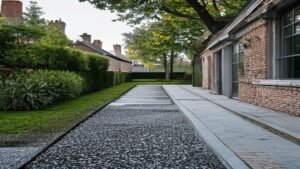
Resin bound gravel UK has become the gold standard for homeowners seeking aesthetic appeal and total permeability. Unlike resin bonded systems, which are non-porous, resin bound systems allow water to percolate directly into the sub-base.
This material is particularly popular for professional loft conversions projects where the entire property is being modernised. A sleek, anthracite or silver-grey resin driveway perfectly complements contemporary architectural finishes.
The 2026 formulations of resin are UV-stable and utilise bio-based polymers. This reduces the carbon footprint of your installation while ensuring the surface remains flexible and crack-resistant during extreme UK weather.
Permeable Paving vs. Traditional Asphalt
Traditional asphalt and concrete are increasingly difficult to justify under current environmental laws. These ‘sealed’ surfaces contribute to the ‘urban heat island’ effect and increase local flood risks.
Permeable paving installers now offer advanced modular blocks with widened joints. These joints are filled with specific grit that filters pollutants before the water reaches the water table.
Advantages of Permeable Systems:
- Elimination of standing water and hazardous ice patches in winter.
- Reduced risk of ‘puddling’ which can damage your property’s damp proof course.
- Enhanced aesthetic options with various textures and British stone finishes.
- Full compliance with the latest 2026 environmental building standards.
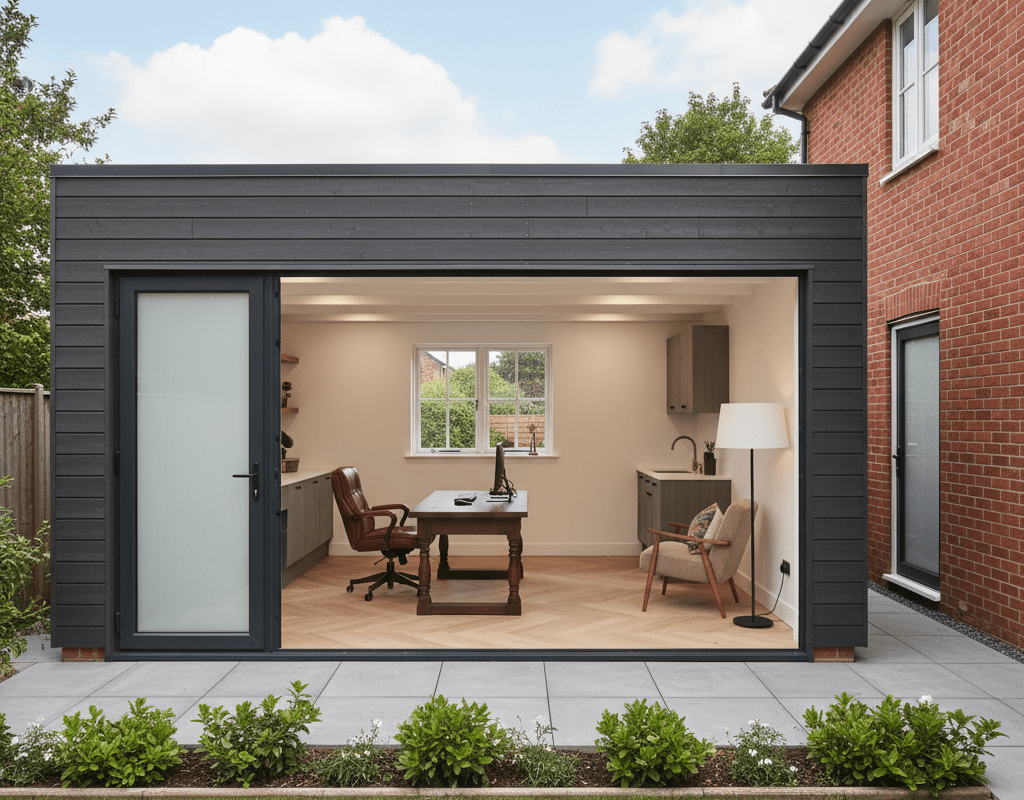
When upgrading your exterior, many homeowners also explore bespoke garage conversions to create functional home offices. Ensuring the driveway leading to your new office is SuDS compliant adds significant kerb appeal and resale value.
Cost Implications and Material Trends in 2026
While the initial outlay for permeable materials can be 15-20% higher than non-porous alternatives, the long-term savings are substantial. You avoid the costs of planning applications and the installation of complex drainage pipes.
In 2026, we are seeing a trend towards ‘circular’ construction materials. Recycled glass and crushed brick sub-bases are now standard, helping projects achieve Net Zero targets more effectively.
2026 Cost Estimations per Square Metre:
- Permeable Block Paving: £90 – £130.
- Resin Bound Gravel: £70 – £110.
- Reinforced Grass Grids: £50 – £80.
- Permeable Concrete: £85 – £120.
Maintaining Your SuDS Compliant Driveway
Maintenance is vital to ensure your driveway remains porous over its twenty-year lifespan. Silt and organic debris can clog the voids in permeable surfaces if left unmanaged.
We recommend a professional power wash and ‘re-gritting’ of block paving joints every three to five years. For resin bound surfaces, regular sweeping to remove leaves is usually sufficient to maintain high drainage rates.
Monitoring the performance of your drainage is especially important if you have integrated it with other home systems. Modern smart homes often feature sensors that alert you if surface water is not draining at the expected rate.
Choosing Expert Permeable Paving Installers
Selecting the right contractor is the most important decision in your driveway project. An experienced installer will provide a detailed SuDS compliance certificate upon completion.
Always check that your contractor understands the specific soil types in your region, such as London clay or Cotswold stone. These factors heavily influence the design of the sub-base and the required depth of excavation.
Ask for a detailed breakdown of the ‘void ratio’ in the sub-base materials they intend to use. This technical detail ensures your driveway can handle the ‘1-in-100-year’ storm events now common in the UK climate.
Conclusion: Future-Proofing Your Home
Adhering to the Permeable driveway regulations UK 2026 is not just about legal compliance. It is about protecting your home from flood risks and contributing to local biodiversity.
By choosing SuDS compliant driveways and innovative materials like resin bound gravel, you create a sustainable entrance that lasts. Ensure your project is handled by professionals who understand the intersection of aesthetics and environmental law.