


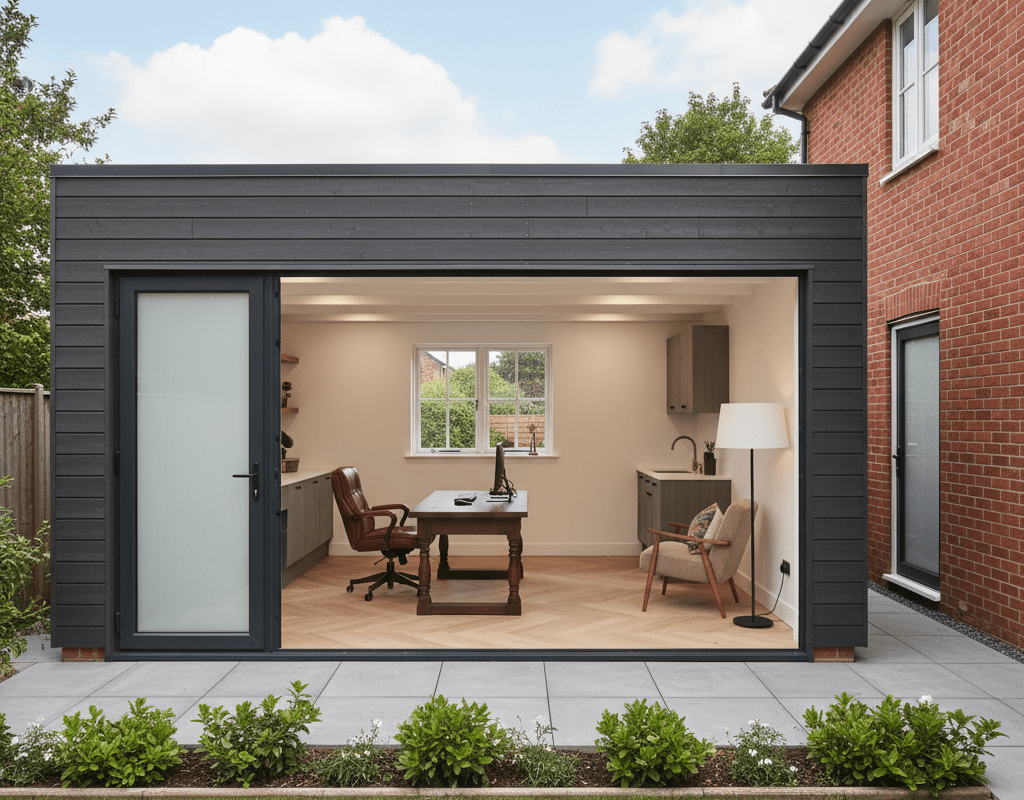


Master Part O Compliance for UK Extensions in 2026
Navigating the legalities of home improvement has become increasingly complex as we move towards Net Zero targets. Achieving Part O compliance for UK extensions is now a mandatory requirement for all residential projects to prevent indoor overheating.
Since the 2026 building regulation updates, homeowners must balance aesthetic desires with strict thermal safety standards. This guide explores how to secure your building control approval while maintaining architectural excellence.
Understanding Part O Compliance for UK Extensions
Building Regulation Part O was introduced to ensure that residential buildings are designed to limit unwanted solar gain. It aims to protect occupants by providing adequate means to remove heat from the indoor environment.
For anyone planning house extensions, understanding these rules is the first step toward a successful build. Failure to comply can result in significant delays and costly remedial works during the inspection phase.
The Shift in Glazing Limits 2026
One of the most significant changes in recent years involves the strict glazing limits 2026. Authorities now strictly regulate the ratio of glass to floor area to prevent the ‘greenhouse effect’ in modern living spaces.
Large bi-fold doors and floor-to-ceiling windows are still possible, but they require advanced thermal engineering. You must now prove that your glazing choices will not lead to excessive solar heat gain during peak summer months.
Key Glazing Restrictions
* Total glazed area must not exceed specified percentages of the new floor area.
* High-performance solar control glass is often a mandatory requirement for south-facing elevations.
* The orientation of the extension significantly dictates the amount of glass permitted by building control.
Overheating Mitigation Strategies for Modern Homes
To meet the required standards, architects are now deploying sophisticated overheating mitigation strategies. These methods focus on reducing the amount of heat entering the building while maximizing natural cooling.
Effective heat management is particularly vital for loft conversions where rising heat can make upper floors uncomfortable. Incorporating passive design elements is the most sustainable way to achieve this balance.
Practical Cooling Solutions
Solar Gain Control UK: Technical Requirements
Solar gain control UK standards require a detailed assessment of how much sunlight enters your home. This is calculated using either the ‘Simplified Method’ or ‘Dynamic Thermal Modelling’ for more complex designs.
If your extension features significant glass elements, the Simplified Method might not be sufficient. In these cases, a specialist consultant will model the building’s thermal performance across various weather scenarios.
Strategic Ventilation and Purge Cooling
Ventilation is a cornerstone of Part O compliance for UK extensions. It is not just about having an open window; it is about the ‘free area’ available for air movement.
Building regulations now specify the minimum opening sizes for windows to ensure ‘purge cooling’ can occur. This ensures that if the room does overheat, the temperature can be lowered rapidly through natural airflow.
Ventilation Safety Considerations
* Ground floor windows must be designed with security in mind if they are left open for night-time cooling.
* Upper-floor windows require fall protection measures, such as louvres or restricted openings, to remain safe while ventilated.
* Acoustic conditions must be considered, ensuring that noise pollution doesn’t prevent occupants from opening windows.
Integrating Smart Technology for Compliance
In 2026, many homeowners are turning to smart technology to maintain thermal comfort. Automated cooling systems can help bridge the gap between architectural vision and regulatory necessity.
These systems are often integrated during commercial renovations but are becoming standard in high-end residential projects. Smart actuators on skylights can respond to internal temperature sensors to vent heat automatically.
The Role of Material Selection
Material choice plays a pivotal role in how your extension handles heat. Modern prefabricated modular extensions often use advanced composite materials that offer superior thermal regulation.
Using low-emissivity (low-E) coatings on glass can reflect a significant portion of solar radiation. This allows for larger windows while still adhering to the strict Part O compliance for UK extensions.
Checklists for Part O Approval
Before submitting your plans to building control, ensure you have addressed the following criteria. This checklist will help streamline your approval process and avoid common pitfalls.
Architectural Design Checklist
* Have you calculated the glazing-to-floor-area ratio for each room?
* Are there external shading devices on south and west-facing elevations?
* Does the design allow for effective cross-ventilation through the new space?
* Is the glazing specification (G-value) aligned with the latest 2026 standards?
Occupant Safety Checklist
* Are windows at height fitted with appropriate safety guards for ventilation?
* Is the extension secure enough to allow for night-time cooling?
* Have you considered the impact of external noise on the ability to keep windows open?
Conclusion: Future-Proofing Your UK Property
Meeting Part O compliance for UK extensions is no longer optional; it is a fundamental aspect of modern construction. By focusing on solar gain control and glazing limits, you create a space that is comfortable year-round.
Investing in these strategies now will protect your property’s value as climate standards become even stricter. Always consult with a professional to ensure your extension meets the definitive 2026 building regulations.