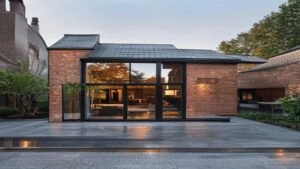
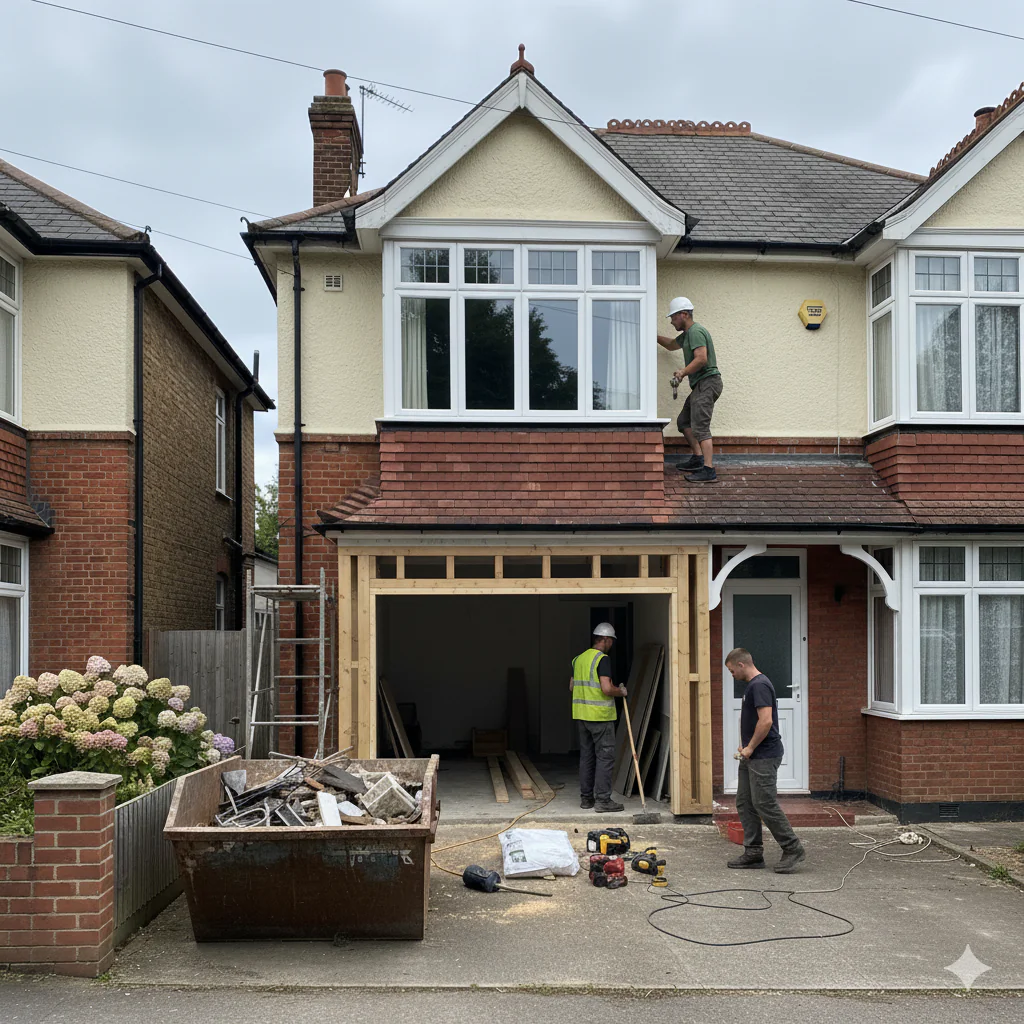
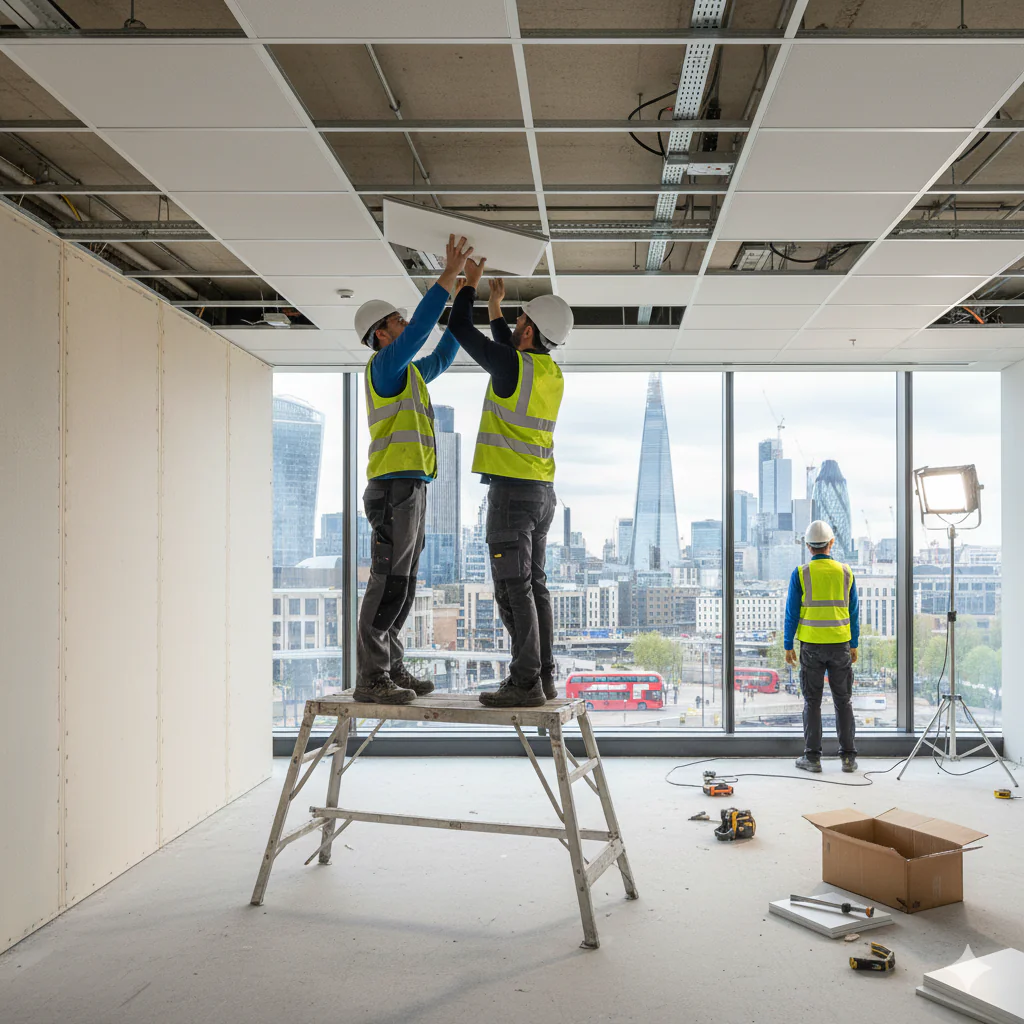
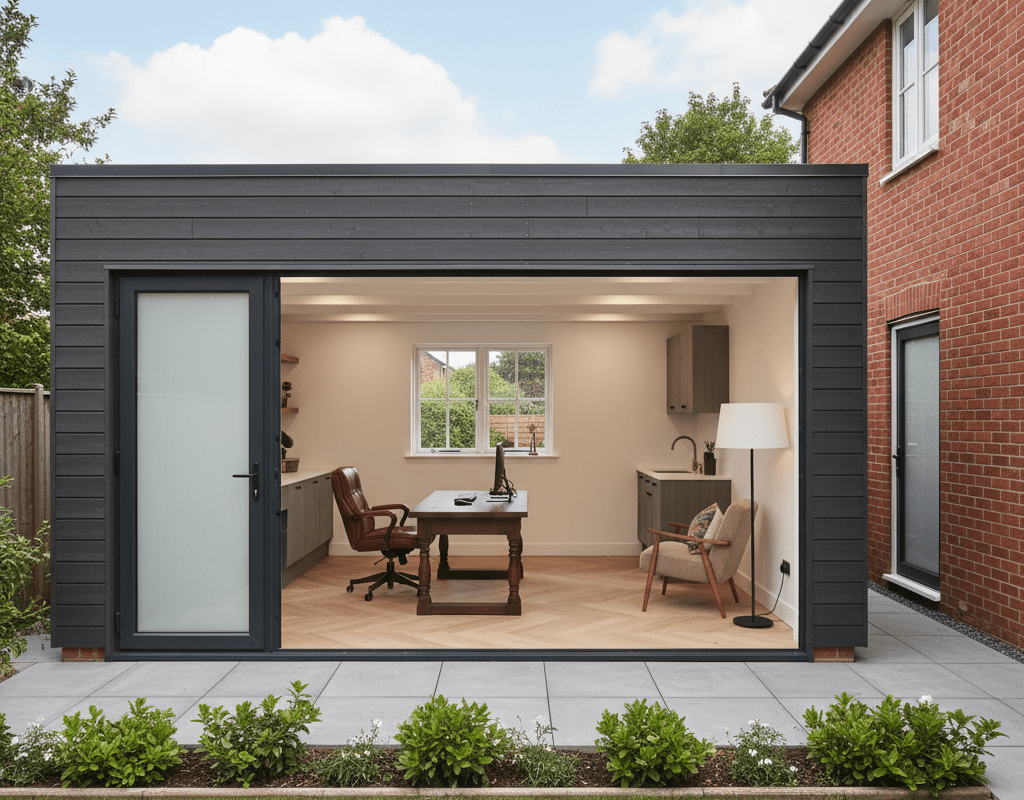


Investing in Net Zero House Extensions UK has become the gold standard for homeowners in 2026. As the UK moves closer to its 2050 decarbonisation targets, the construction industry has pivoted toward high-performance, carbon-neutral solutions.
Today, a home extension is no longer just about extra space; it is about energy independence and thermal efficiency. Modern homeowners are prioritising long-term value over short-term savings by choosing low carbon extensions UK designs.
Why Net Zero House Extensions UK Matter in 2026
The landscape of British architecture has shifted significantly following recent updates to Part L and Part O of the Building Regulations. Every new house extension must now meet rigorous fabric-first standards to minimise energy demand.
Net zero extensions focus on eliminating operational carbon through superior insulation and air-tightness. This approach ensures your home remains cool in summer and warm in winter without relying on fossil fuels.
The Benefits of Sustainable Building Materials
Choosing the right sustainable building materials is the first step toward a carbon-neutral home. In 2026, we are seeing a massive surge in the use of timber frames, hempcrete, and recycled steel.
* Cross-Laminated Timber (CLT): Offers incredible strength and sequesters carbon within the structure.
* Mycelium Insulation: A natural, fire-resistant alternative to traditional foam-based boards.
* Low-Carbon Concrete: Utilises fly ash or ground granulated blast-furnace slag to reduce the carbon footprint of foundations.
Modern Methods of Construction (MMC) Explained
The adoption of modular house extensions has accelerated due to the efficiency of Modern Methods of Construction. MMC allows for parts of your home to be built in a factory setting before being assembled on-site.
This precision engineering reduces waste by up to 40% compared to traditional brick-and-mortar builds. It also ensures that the air-tightness required for a Net Zero House Extensions UK project is achieved perfectly every time.
The Core MMC Construction Benefits
Understanding the MMC construction benefits is essential for any homeowner planning a large-scale renovation in London or Manchester. These systems offer unparalleled predictability in both timeline and final cost.
- Reduced Construction Time: On-site build times are often cut by 50% through pre-fabricated components.
- Higher Quality Control: Factory environments allow for rigorous testing of thermal performance and structural integrity.
- Minimal On-Site Disruption: Faster builds mean less noise, dust, and inconvenience for your neighbours.
Costs and ROI for Low Carbon Extensions UK
While the initial outlay for low carbon extensions UK might be 10-15% higher than traditional builds, the return on investment is significant. With energy prices remaining volatile, a net-zero structure virtually eliminates monthly heating bills.
In 2026, properties with high EPC ratings and net-zero credentials command a premium on the UK property market. Buyers are increasingly looking for homes that are ‘future-proofed’ against carbon taxes and rising utility costs.
Cost Breakdown for 2026 Projects
* Basic Modular Pods: Starting from £2,500 per square metre.
* Bespoke Net Zero Builds: Ranging from £3,500 to £5,000 per square metre depending on glazing specs.
* Smart Integration: High-end smart home systems typically add 5% to the total project budget.
Smart Home Integration for Energy Management
A true Net Zero House Extensions UK project must include intelligent energy management systems. These systems monitor your solar PV output and optimise appliance usage during peak generation hours.
Integrating your architectural design with smart technology ensures that your extension works as a cohesive unit. Automated shading and smart HVAC systems are now standard in high-end British renovations.
Essential Smart Features for 2026
* AI-Driven Thermostats: Learn your habits to prevent overheating in south-facing extensions.
* Phase-Change Materials: Store thermal energy during the day and release it at night to stabilise temperatures.
* Greywater Harvesting: Reduces water consumption by recycling shower and sink water for garden use.
Navigating Planning Permission for Sustainable Builds
Local authorities in the UK are increasingly supportive of modular house extensions that demonstrate high environmental standards. Many councils now offer ‘fast-track’ planning for projects that exceed basic thermal requirements.
It is vital to work with a team that understands the specific nuances of loft conversions and extensions under 2026 regulations. Expert guidance ensures your net-zero ambitions align with local heritage and conservation rules.
Checklist for a Successful Net Zero Extension
* Site Orientation: Maximise solar gain in winter while providing adequate shading for summer months.
* Airtightness Testing: Ensure your contractor performs pressure tests at multiple stages of the build.
* Renewable Energy: Install solar panels and air-source heat pumps as part of the initial construction phase.
* Ventilation: Use Mechanical Ventilation with Heat Recovery (MVHR) to maintain air quality without heat loss.
The Future of Residential Construction in the UK
The trend toward Net Zero House Extensions UK is not a passing phase; it is the new reality of the construction sector. By 2026, the industry has fully embraced the circular economy, focusing on deconstructable and recyclable building components.
By choosing sustainable building materials and MMC, you are contributing to a greener Britain. You are also creating a healthier, more comfortable living environment for your family for decades to come.
Conclusion: Start Your Net Zero Journey Today
Building a Net Zero House Extensions UK project requires careful planning and a commitment to quality. From selecting modular house extensions to choosing the right renewable tech, every decision impacts your home’s final carbon footprint.
The benefits of lower bills, increased property value, and a healthier planet make this the ultimate choice for 2026. Embrace the future of UK construction and transform your home into a beacon of sustainability.