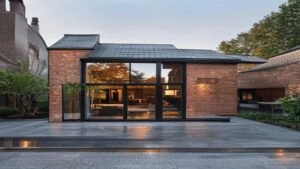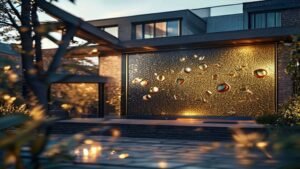
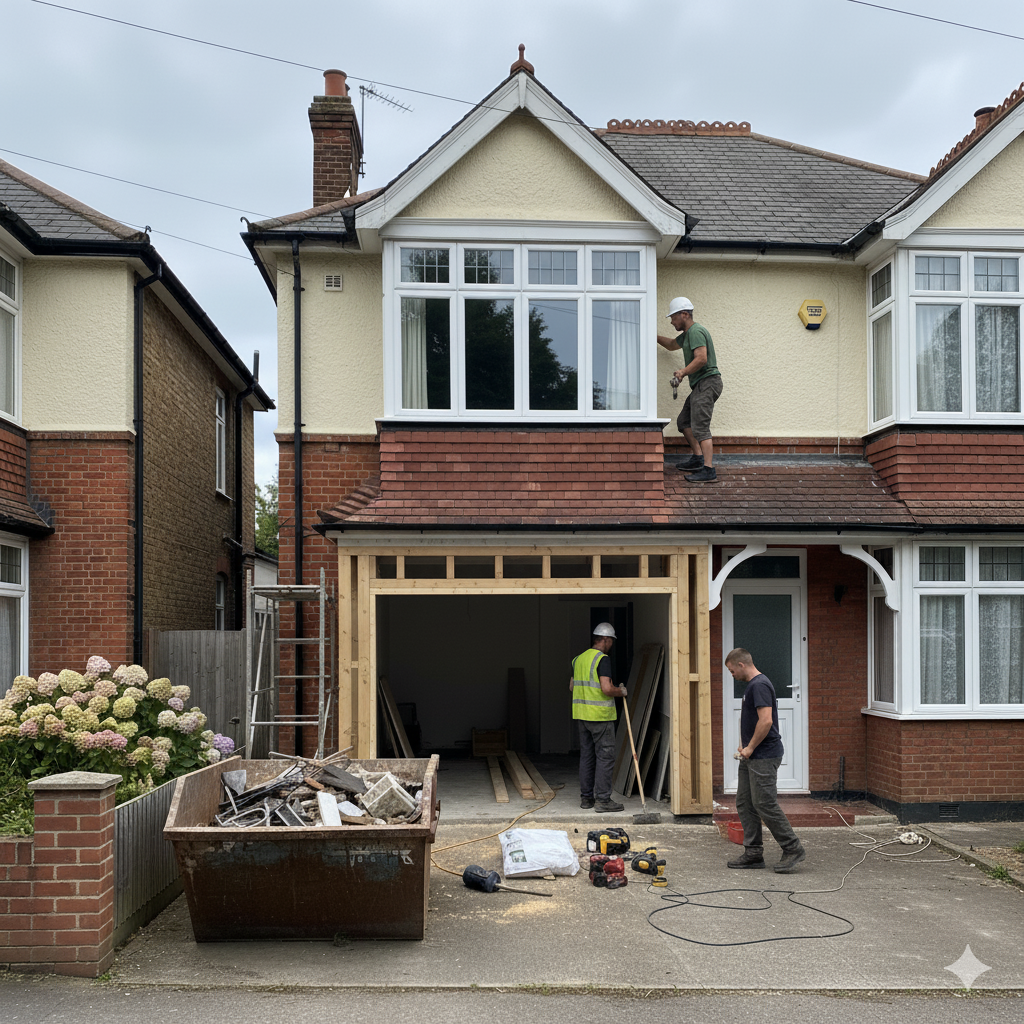
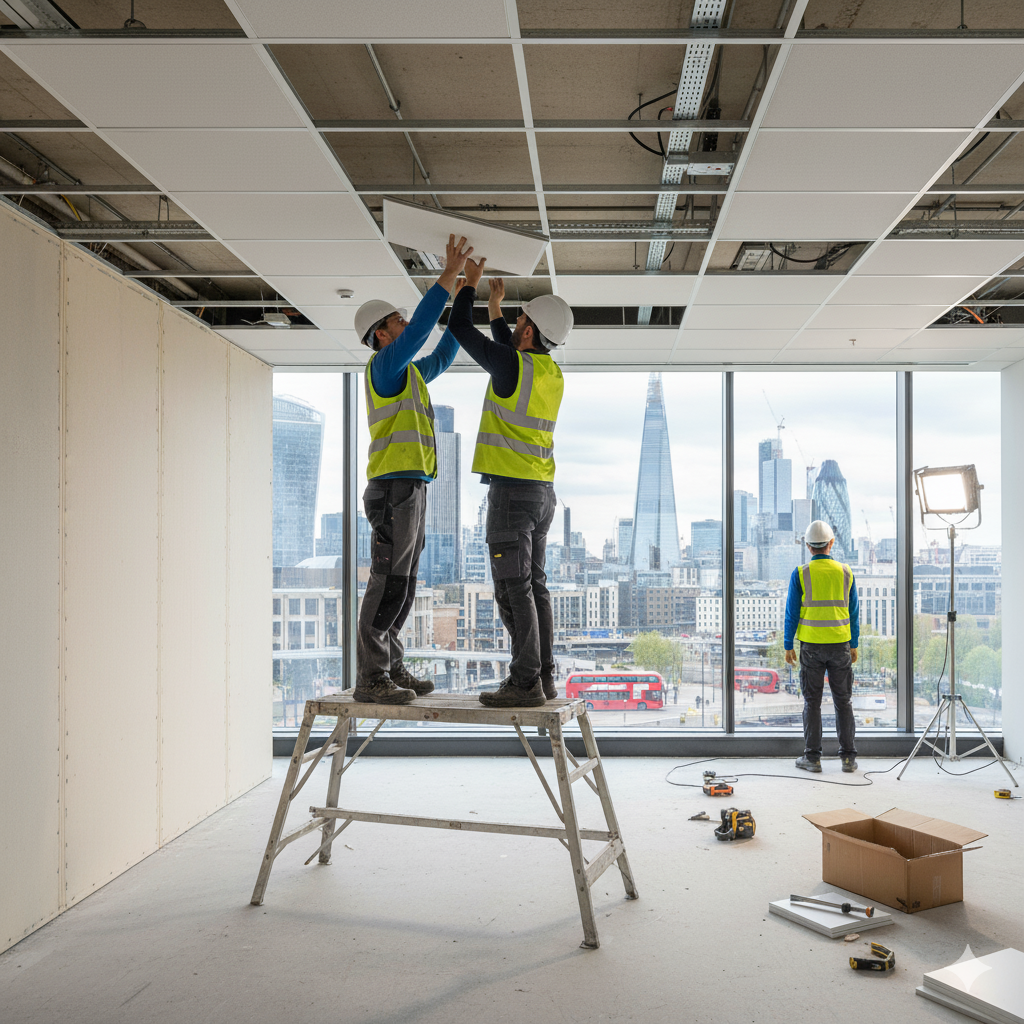
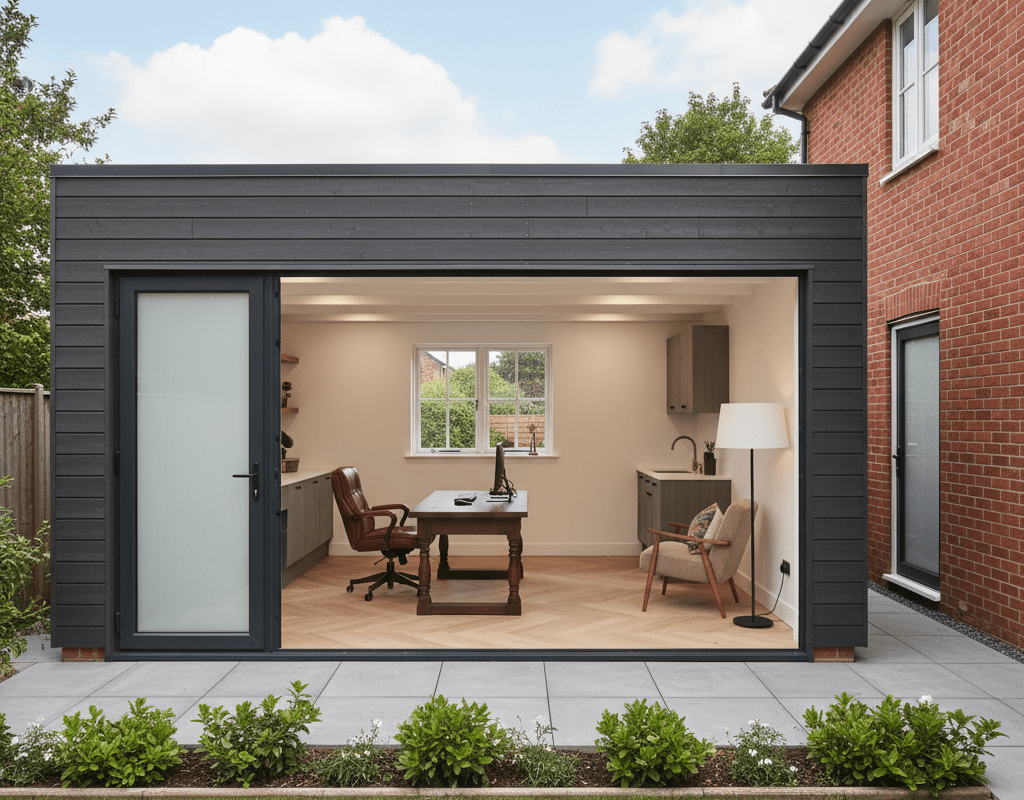


Net Zero House Extensions UK: The Definitive 2026 Guide\n\nAchieving Net Zero house extensions UK standards is no longer a future concept but a current requirement for forward-thinking homeowners. As we navigate 2026, the intersection of strict building regulations and environmental responsibility has transformed the UK residential market.\n\nHomeowners are now prioritising low carbon construction to future-proof their assets against rising energy costs. This guide explores how to integrate sustainable excellence into your next renovation project while maintaining luxury and style.\n\n## Understanding Net Zero House Extensions UK in 2026\n\nA Net Zero extension is designed to produce as much energy as it consumes over the course of a year. In 2026, this involves a combination of high-performance thermal envelopes and on-site renewable energy generation.\n\nModern house extensions must now align with the latest Part L and Part O building regulation updates. These mandates ensure that every new square metre added to a British home contributes to the national decarbonisation target.\n\n### The Pillars of Net Zero Construction\n\n Thermal Efficiency:** Using advanced insulation materials to prevent heat loss through walls, floors, and roofs.\n* **Airtightness:** Eliminating draughts through precision engineering and specialist membranes to maintain internal temperatures.\n* **Renewable Integration:** Incorporating solar PV panels, heat pumps, and battery storage systems directly into the design.\n* **Low Embodied Carbon:** Selecting materials that have a minimal environmental impact during extraction, manufacture, and transport.\n\n## The Rise of Low Carbon Construction Methods\n\nLow carbon construction focuses on reducing the CO2 emissions associated with the entire lifecycle of a building project. By choosing timber frame or structural insulated panels (SIPs), builders can significantly lower the carbon footprint of an extension.\n\nTraditional masonry is being replaced by engineered wood products that act as carbon sinks, storing CO2 for the life of the building. These methods also offer faster onsite assembly times, reducing local environmental disruption in busy urban areas.\n\n### Benefits of Low Carbon Building\n\n1. **Reduced Waste:** Off-site manufacturing ensures precision cutting and minimal onsite material disposal.\n2. **Speed of Delivery:** Pre-fabricated components can be assembled in days rather than weeks.\n3. **Superior Longevity:** Modern sustainable materials are often more resilient to the UK’s changing climate patterns.\n4. **Market Value:** Homes with documented low carbon credentials attract a premium price in the 2026 property market.\n\n## Adopting Passivhaus Standards UK for Residential Projects\n\nApplying Passivhaus standards UK wide has become the gold standard for homeowners seeking ultimate thermal comfort. This methodology focuses on a ‘fabric first’ approach, ensuring the extension remains warm in winter and cool in summer without active heating.\n\nMechanical Ventilation with Heat Recovery (MVHR) systems are central to this standard, providing constant fresh filtered air. This technology captures heat from outgoing air to warm the incoming fresh air, drastically reducing energy demand.\n\n## Selecting Sustainable Building Materials\n\nThe choice of sustainable building materials is critical for meeting the strict environmental criteria of 2026. From recycled steel beams to hempcrete blocks, the options for eco-friendly builds have expanded significantly.\n\nNatural insulation such as sheep’s wool or wood fibre boards provides excellent thermal mass and breathability. These materials help regulate indoor humidity, creating a healthier living environment for occupants compared to synthetic alternatives.\n\n### Top Sustainable Materials for 2026\n\n* **Glulam Beams:** A high-strength alternative to steel with significantly lower embodied energy.\n* **Recycled Aggregates:** Using crushed glass or reclaimed concrete for foundations and sub-bases.\n* **Zinc Cladding:** A fully recyclable material that offers a 100-year lifespan with minimal maintenance.\n* **Triple Glazing:** High-performance units filled with krypton or argon gas to achieve U-values below 0.8 W/m²K.\n\n## Planning Your Energy Efficient Extensions\n\nCreating energy efficient extensions requires careful orientation and glazing placement to maximise solar gain. Large south-facing windows can provide free heating during winter months, provided they are balanced with effective shading for summer.\n\nEngaging a specialist contractor for loft conversions or extensions ensures that these complex variables are managed professionally. Expert installers understand how to bridge the gap between architectural vision and technical performance.\n\n### Design Considerations for Energy Efficiency\n\n* **Orientation:** Aligning glazing to harvest natural light while avoiding over-heating.\n* **Thermal Bridging:** Ensuring continuous insulation layers to prevent cold spots and mould growth.\n* **Smart Automation:** Using AI-driven thermostats to optimise energy usage based on occupancy patterns.\n* **Water Conservation:** Installing greywater harvesting systems to reduce total household water consumption.\n\n## The Cost of Net Zero House Extensions UK in 2026\n\nWhile the initial capital expenditure for a Net Zero build may be 10-15% higher, the long-term savings are substantial. Homeowners typically see a full return on investment through eliminated energy bills and increased property equity within a decade.\n\nIn 2026, many UK lenders offer ‘Green Mortgages’ with lower interest rates for properties meeting high efficiency standards. This financial incentive makes it easier to justify the upfront cost of premium sustainable materials and technologies.\n\n## Navigating 2026 Building Regulations and Planning\n\nUK planning departments now favour applications that demonstrate a clear commitment to sustainability. Biodiversity Net Gain (BNG) requirements often mean extensions must include green roofs or integrated bird and bat bricks.\n\nSecuring professional architectural services is essential for navigating these evolving legal landscapes. A qualified architect will ensure your Net Zero goals are integrated into the planning application from day one.\n\n### Compliance Checklist for 2026\n\n1. **SAP 10 Calculations:** Ensure your design meets the latest carbon emission targets.\n2. **Overheating Risk Assessment:** Use CIBSE TM59 criteria to prove the extension won’t overheat.\n3. **Airtightness Testing:** Schedule mandatory pressure tests to verify the integrity of the building envelope.\n4. *Commissioning Certificates: Obtain formal documentation for all renewable energy installations and MVHR systems.\n\n## Conclusion: The Future of UK Living\n\nInvesting in Net Zero house extensions UK wide is a strategic move for the modern homeowner. It combines environmental ethics with high-end luxury, creating spaces that are comfortable, healthy, and incredibly cheap to run.\n\nBy prioritising low carbon construction and Passivhaus standards, you ensure your home remains a valuable asset for decades. Start your journey toward a sustainable future today by consulting with industry experts.\n\nAre you ready to transform your home with a cutting-edge, sustainable addition? Contact the specialists at In-Hire to discuss your project requirements and discover how we can bring your Net Zero vision to life.