

The Ultimate Guide to Net Zero Home Renovation UK (2026)
Achieving a Net Zero home renovation UK is no longer a futuristic concept but a 2026 reality. As the UK government tightens building regulations, homeowners are now prioritising energy independence and carbon reduction.
Decarbonising UK homes requires a strategic approach to design and material selection. This guide explores how to transform your property into a high-performance, sustainable asset.
Understanding the Net Zero Standard in 2026
A Net Zero renovation means your home produces as much energy as it consumes over a year. In 2026, this is achieved through a combination of ‘fabric first’ principles and renewable technology.
Recent updates to Part L and Part O of the Building Regulations have set new benchmarks. These standards focus on thermal efficiency and preventing overheating in modern, airtight homes.
The Roadmap to a Whole House Retrofit UK
A whole house retrofit UK is the most effective way to reach Net Zero status. Rather than piecemeal upgrades, this holistic method ensures all components work together seamlessly.
- Phase 1: Energy Assessment. Conduct a deep-dive thermal imaging survey to identify heat loss zones.
- Phase 2: Insulation. Upgrade to high-performance wood fibre or vacuum insulation panels (VIPs).
- Phase 3: Air Tightness. Eliminate draughts while installing Mechanical Ventilation with Heat Recovery (MVHR).
- Phase 4: Renewables. Integrate solar PV arrays with smart battery storage systems.
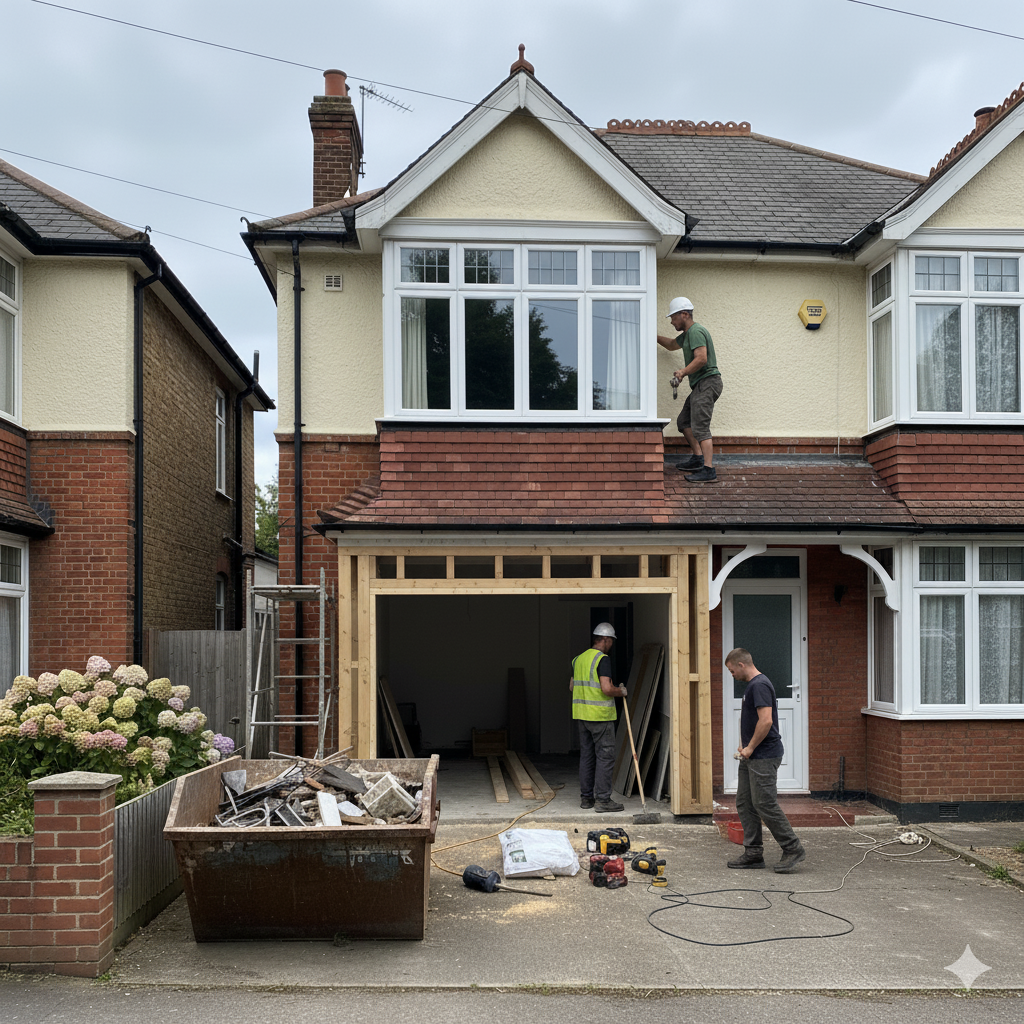
When planning these stages, choosing the right house extensions partner is vital. Professional oversight ensures that structural changes don’t compromise your airtightness strategy.
Breaking Down Net Zero Construction Costs
Investing in sustainability requires a clear understanding of Net Zero construction costs in the current market. While initial outlays are higher, the long-term energy savings and property value uplift are significant.
- Standard Retrofit: £45,000 – £65,000 for basic insulation and heat pump installation.
- Deep Retrofit: £85,000 – £120,000 for full fabric upgrades and integrated renewables.
- Premium Net Zero: £150,000+ for heritage properties requiring specialist lime-based materials.
Many homeowners utilise architectural services to model these costs before breaking ground. This precision prevents budget overruns during complex decarbonisation projects.
Essential Steps for Decarbonising UK Homes
Decarbonising UK homes involves moving away from fossil fuels entirely. This transition is supported by the 2026 ban on new gas boiler installations in many scenarios.
- Heat Pumps: Air-source and ground-source pumps are now the gold standard for low carbon heating.
- Triple Glazing: High-spec timber or aluminium frames with U-values below 0.8 W/m²K.
- Smart Grids: Using AI to manage energy consumption during off-peak hours for maximum efficiency.
If you are considering a loft conversion, ensure it is designed as a thermal buffer for the rest of the house. This adds living space while improving the overall EPC rating of the building.
Choosing Materials for a Low Carbon Home Renovation
A truly low carbon home renovation considers the ’embodied carbon’ of the materials used. This refers to the emissions generated during the manufacturing and transport of products.
- Timber Framing: Sourced from FSC-certified forests to act as a carbon sink.
- Hempcrete: A carbon-negative wall infill that offers excellent thermal mass and breathability.
- Recycled Steel: Reducing the environmental footprint of structural beams and extensions.
- Clay Plasters: Natural finishes that regulate humidity without the need for synthetic chemicals.
Challenges and 2026 Building Regulations
Compliance with Part O (Overheating) is a critical challenge for Net Zero projects this year. As we improve insulation, we must also ensure homes do not become uncomfortably hot in summer.
Utilising external shading, solar-control glass, and cross-ventilation strategies is now mandatory. Your design team must provide dynamic thermal modelling to prove compliance to local building control.
The Benefits of a Net Zero Property
Beyond environmental impact, a Net Zero home offers unparalleled comfort. You will enjoy consistent temperatures, improved air quality, and protection against volatile energy prices.
- Energy Security: Generate your own power and reduce reliance on the national grid.
- Future-Proofing: Meet all upcoming legislative changes well ahead of the 2050 national deadline.
- Market Premium: Sustainable homes now command a 10-15% price premium in major UK cities.