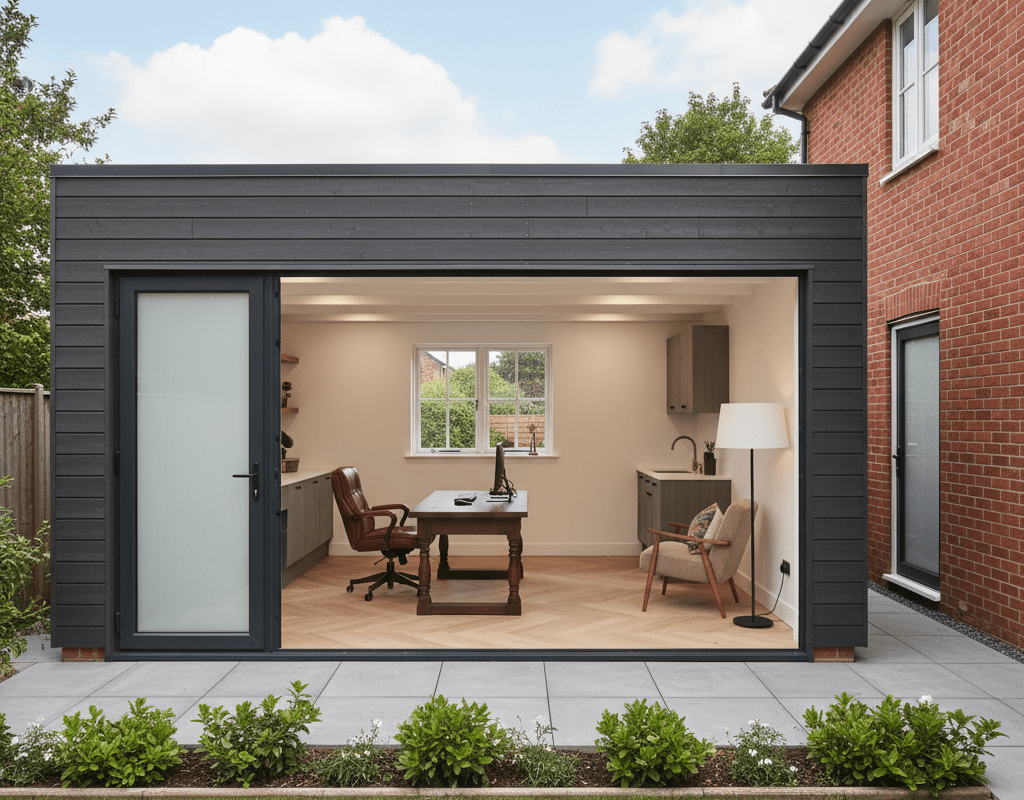


Net Zero Home Extensions UK: The Future of Sustainable Living in 2026
Building Net Zero home extensions UK has evolved from a niche luxury to a regulatory necessity for homeowners seeking long-term value. With the latest updates to Building Regulations Part L and Part O, achieving carbon neutrality is now the gold standard for British property development.
At In-Hire, we prioritise high-performance building methods that slash energy bills while enhancing comfort. Our 2026 guide explores how to integrate carbon neutral construction into your next home improvement project.
Why Net Zero Home Extensions UK Are the 2026 Standard
The UK construction landscape has shifted significantly towards ultra-efficient, low carbon home extensions. Homeowners are no longer just looking for extra space; they are investing in climate-resilient architecture that future-proofs their assets.
Net Zero means the total greenhouse gas emissions associated with the build are zero or negative. This involves both the ’embodied carbon’ of materials and the ‘operational carbon’ used to heat and power the space.
Core Principles of Carbon Neutral Construction
To achieve a truly carbon neutral extension, we must look beyond basic insulation. Modern projects in 2026 focus on a ‘fabric-first’ approach that ensures the building envelope is airtight and thermally efficient.
* Embodied Carbon Reduction: Using materials that require minimal energy to produce, such as timber or recycled aggregates.
* Passive Solar Gain: Orienting windows to capture natural heat during the winter months while preventing overheating in summer.
* Airtightness Excellence: Implementing advanced membranes to prevent heat leakage through structural joints.
Our professional architectural design services ensure every extension meets these rigorous Net Zero criteria. We help you navigate the complexities of modern UK planning permissions for sustainable builds.
Essential Sustainable Building Materials UK
Choosing the right sustainable building materials UK is the most critical decision for any low carbon project. In 2026, we are seeing a massive surge in the use of bio-based materials that actually store carbon within the structure.
Revolutionising Heating with ASHP Installation UK
Gas boilers are now a relic of the past in high-end UK developments. A professional ASHP installation UK (Air Source Heat Pump) is the cornerstone of any Net Zero extension strategy.
These systems extract heat from the outside air, even in freezing temperatures, to provide efficient underfloor heating. They operate at efficiencies of 300% to 400%, making them the most sustainable choice for 2026.
* Low Operating Costs: Significantly cheaper than electric radiators or outdated gas systems.
* Smart Integration: Modern pumps sync with solar PV arrays to heat your home when renewable energy is at its peak.
* Space Efficiency: Contemporary units are compact and designed to blend into the exterior aesthetics of your property.
Designing for Low Carbon Home Extensions
Low carbon home extensions require a holistic design philosophy that considers the entire lifecycle of the building. This includes the demolition of existing structures and the responsible disposal of waste materials.
We recommend integrating smart home technology to monitor energy consumption in real-time. This allows homeowners to identify ‘energy leaks’ and optimise their heating schedules automatically.
For those planning a loft conversion, Net Zero principles can be applied through high-performance roof insulation and triple-glazed skylights. This ensures your new upper floor remains cool in summer and warm in winter.
2026 Building Regulations: Part L and Part O
The 2026 regulatory environment is stricter than ever regarding thermal efficiency and ventilation. Part L focuses on the conservation of fuel and power, while Part O addresses the growing issue of overheating in well-insulated homes.
* U-Value Targets: Extensions must now achieve significantly lower U-values for walls, floors, and roofs.
* Mechanical Ventilation with Heat Recovery (MVHR): Mandatory for many Net Zero builds to ensure fresh air without losing heat.
* Thermal Bridging Audits: Rigorous checks to ensure no heat escapes through structural connections like floor-to-wall joints.
The Financial Benefits of Going Net Zero
While the initial investment in Net Zero home extensions UK may be 10-15% higher, the long-term ROI is undeniable. Property values for ‘A-rated’ EPC homes have outperformed the general market by nearly 8% in 2026.
Choosing the Right Contractor for Your Sustainable Build
Success in Net Zero construction requires a contractor who understands modern building science. You need a team that is experienced in installing complex systems like MVHR and ASHPs.
Always ask for a detailed carbon assessment of your proposed materials before construction begins. A reputable firm will provide a transparent breakdown of how your extension will achieve its Net Zero goals.
Summary Checklist for Your 2026 Extension
* [ ] Conduct a site-specific solar analysis for window placement.
* [ ] Specify bio-based insulation such as wood fibre or sheep’s wool.
* [ ] Schedule a professional ASHP installation UK early in the design phase.
* [ ] Ensure all timber is FSC or PEFC certified for ethical sourcing.
* [ ] Implement smart sensors for automated lighting and heating control.
Investing in a Net Zero extension is the most responsible way to expand your UK home. By prioritising the planet today, you guarantee a more comfortable and valuable home for tomorrow.