


The Ultimate Guide to Modular Kitchen Extensions UK in 2026
Modular kitchen extensions UK have become the gold standard for homeowners seeking rapid, high-quality residential expansions. As we move through 2026, the shift toward off-site manufacturing has revolutionised how we approach home improvements.
Traditional builds are increasingly being replaced by precision-engineered solutions that offer superior thermal performance. This guide explores how modular construction aligns with the latest UK building regulations and sustainable living trends.
Why Modular Kitchen Extensions UK Lead the Market
The primary appeal of modular kitchen extensions UK lies in their incredible efficiency and reduced on-site disruption. Unlike traditional builds that can take months, a modular extension is often installed in a matter of days.
These structures are built in climate-controlled factories to millimetre precision, ensuring every joint and seal meets the 2026 Future Homes Standard. This manufacturing process eliminates the risk of weather-related delays that often plague UK construction sites.
Exploring Prefab Kitchen Pods and Their Benefits
Modern prefab kitchen pods are no longer the basic temporary structures of the past. Today, they represent the pinnacle of luxury and technical integration for modern British homes.
These pods arrive on-site fully fitted with plumbing, electrics, and high-end finishes already in place. By choosing house extensions that utilise modular technology, you significantly reduce the carbon footprint of your project.
Key Modular Construction Benefits
* Reduced Construction Time: On-site assembly is up to 70% faster than traditional brick-and-mortar methods.
* Cost Certainty: Fixed factory pricing protects homeowners from the fluctuating material costs of 2026.
* Superior Quality Control: Factory conditions allow for rigorous testing of airtightness and insulation before delivery.
* Minimal Waste: Precision cutting and material recycling in factories mean far less waste goes to UK landfills.
Sustainable Kitchen Design in 2026
Sustainable kitchen design is no longer an optional extra; it is a core requirement of the latest Part L building regulations. Homeowners are now prioritising low-carbon materials such as recycled timber and locally sourced stone.
In 2026, we are seeing a massive surge in the use of hempcrete and sheep’s wool insulation within modular panels. These natural materials provide exceptional breathability while keeping your energy bills significantly lower than older extensions.
Eco-Friendly Materials for Your Extension
- Triple-Glazed Aluminium Frames: Essential for meeting the strict U-value requirements of 2026.
- Low-VOC Finishes: Ensuring indoor air quality is prioritised for a healthier living environment.
- Recycled Worktops: Using crushed glass or reclaimed paper composites to create stunning, durable surfaces.
Kitchen Island Trends 2026: The Heart of the Module
When planning your layout, current kitchen island trends 2026 focus on multi-functional ‘super-islands’. These units now serve as food prep stations, remote workstations, and social hubs with integrated smart technology.
We are seeing a move toward organic shapes, with curved edges replacing the sharp angles of previous years. These islands often feature integrated induction venting hobs, eliminating the need for bulky overhead extractor fans.
Navigating 2026 Building Regulations and Planning
While many modular kitchen extensions UK fall under Permitted Development, the 2026 updates to Part O (Overheating) are crucial. Your modular design must account for solar gain through large glazed areas to ensure year-round comfort.
Working with experts who understand home renovations is vital for navigating these complex legalities. Precision engineering ensures your extension naturally complies with the Future Homes Standard without costly retrofitting.
Planning Checklist for UK Homeowners
* Check Permitted Development rights for your specific property type.
* Ensure the design includes a heat recovery ventilation system (MVHR).
* Verify that the modular manufacturer holds BOPAS accreditation for mortgage purposes.
* Review the drainage layout to ensure seamless connection to existing sewer lines.
Smart Home Integration in Modular Units
In 2026, a kitchen extension is not complete without a fully integrated smart home ecosystem. Modular units are now pre-wired for Matter-compatible devices, allowing for seamless control of lighting and heating.
Voice-activated taps and AI-driven refrigerators that monitor food waste are now standard features in high-end pods. This level of integration is much easier to achieve in a factory setting than during a messy on-site renovation.
Optimising Natural Light and Space
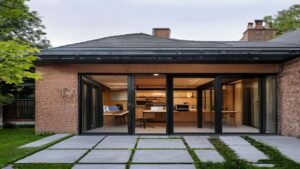
To make the most of your modular kitchen extensions UK, consider the placement of roof lanterns and floor-to-ceiling bifold doors. These elements help blur the lines between your indoor living space and the garden.
Many homeowners are now combining their kitchen projects with loft conversions to completely transform their home’s footprint. This holistic approach to space creation adds significant value to properties in high-demand areas like London and Manchester.
Design Tips for Maximising Space
* Use Light Reflective Surfaces: High-gloss cabinetry and polished floors bounce light into the depths of the extension.
* Integrate Concealed Storage: Utilise the vertical height of modular units with ceiling-height cabinetry.
* Choose Slimline Glazing: Minimise frame thickness to maximise the visible glass area for better views.
The Cost of Modular Kitchen Extensions in 2026
While initial factory costs might seem higher, the total project cost is often lower due to reduced labour time. You also avoid the ‘hidden extras’ that frequently arise during traditional groundworks and masonry builds.
A premium modular kitchen extension in the UK currently averages between £2,500 and £3,500 per square metre. This price typically includes the high-spec internal fit-out, which traditional quotes often exclude.
Future-Proofing Your Home Investment
Choosing a modular route is a strategic investment in the future resale value of your property. Buyers in 2026 and beyond value energy efficiency and high-tech infrastructure above almost all else.
A precision-built extension with a documented thermal performance rating provides peace of mind for future owners. It demonstrates a commitment to quality that is often hard to prove with older, traditional construction methods.
Conclusion: The Modular Revolution
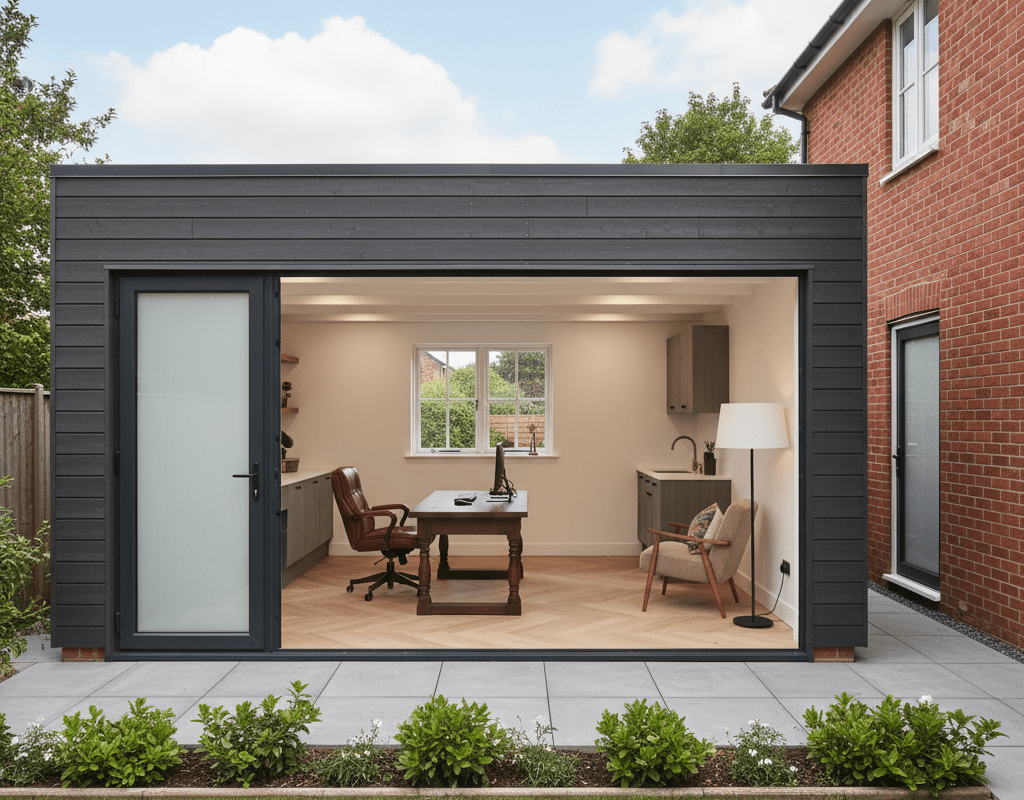
Modular kitchen extensions UK represent the future of residential development, combining speed, sustainability, and style. By embracing factory-built precision, you can achieve a bespoke look without the traditional stresses of building.
Whether you are looking for a sleek minimalist pod or a characterful timber-clad addition, the modular market has a solution. Start your journey today by consulting with professionals who understand the 2026 landscape.