

Modular Kitchen Extensions UK Cost 2026: A Complete Guide
Navigating the modular kitchen extensions UK cost 2026 landscape requires an understanding of the latest Future Homes Standard updates. In 2026, homeowners are increasingly choosing prefabricated solutions to achieve rapid, high-performance living spaces.
Modular construction now represents the gold standard for efficiency in the UK residential sector. These off-site builds offer fixed pricing and significantly reduced on-site disruption compared to traditional methods.
Understanding the 2026 Pricing Landscape
For a standard 30-square-metre modular kitchen extension, expected costs in 2026 range from £2,800 to £4,200 per square metre. This variation depends heavily on your choice of low-carbon building materials and interior specifications.
While initial outlays may seem higher than 2024 levels, the speed of installation offers a faster return on investment. Many homeowners now prioritise high-quality house extensions that incorporate energy-efficient technologies as standard.
Factors Influencing Your 2026 Budget
* Site Accessibility: Restricted access in London or Bristol can increase crane hire costs by 15%.
* Foundation Requirements: Screw piles are now the preferred low-carbon alternative to traditional concrete strip foundations.
* Glazing Specifications: Triple glazing is now mandatory under the latest Part O building regulations to prevent summer overheating.
The Rise of Prefabricated Timber Frame Extensions
Prefabricated timber frame extensions have become the dominant choice for sustainable UK home improvements this year. Timber acts as a natural carbon sink, helping projects align with Net Zero kitchen builds requirements.
These frames are manufactured in climate-controlled UK factories to millimetre precision. This ensures that every joint is airtight, significantly reducing future heating bills for the homeowner.
Why Timber Beats Traditional Masonry in 2026
- Thermal Performance: Timber frames easily exceed the U-value requirements set by the 2026 Future Homes Standard.
- Speed: A modular timber kitchen can be installed on-site in as little as 5 to 7 days.
- Sustainability: Using FSC-certified UK timber drastically lowers the embodied carbon of your construction project.
Planning Permission and Regulations in 2026
Understanding 2026 extension planning permission is vital for a smooth project. Most modular kitchen extensions still fall under Permitted Development rights, provided they meet specific size and height criteria.
However, new 2026 biodiversity net gain requirements may apply even to smaller residential extensions. You must ensure your design includes provisions for local wildlife, such as integrated bird bricks or green roof sections.
Navigating Building Control Updates
* Part L Compliance: All 2026 builds must demonstrate a 75-80% reduction in carbon emissions compared to 2021 standards.
* Part O Compliance: Advanced shading and glazing solutions are required to mitigate solar gain in south-facing kitchen diners.
* Smart Meters: Integrated energy monitoring systems are now a compulsory feature for all new kitchen extensions.
Net Zero Kitchen Builds: The New Standard
Net Zero kitchen builds are no longer a luxury but a necessity for future-proofing property value. By 2026, the integration of air-source heat pumps and induction cooking has become the default for UK extensions.
Utilising low-carbon building materials like hempcrete insulation or recycled aluminium cladding further reduces the environmental footprint. These materials are chosen for their durability and excellent circular economy credentials.
Key Components of a Net Zero Kitchen
* Induction Hobs: Eliminating gas connections is a core requirement of the 2026 Future Homes Standard.
* Heat Recovery Ventilation: MVHR systems ensure a constant flow of fresh air without losing precious thermal energy.
* Solar PV Integration: Many modular roofs now come with pre-installed solar tiles to offset kitchen appliance energy usage.
Choosing the Right Construction Partner
Selecting a contractor experienced in modern methods of construction (MMC) is essential. You should look for firms that offer comprehensive professional loft conversions and extension packages to ensure structural continuity.
Expert installers will manage the complex logistics of delivering factory-built modules to your site. This includes coordinating with local authorities for road closures and ensuring all utility connections are ready for ‘plug-and-play’ activation.
Questions for Your Modular Contractor
- BOPAS Accreditation: Is your modular system accredited by the Building Offsite Property Assurance Scheme?
- Supply Chain Transparency: Where are the low-carbon building materials sourced from within the UK?
- Performance Guarantees: Do you provide a 10-year structural warranty alongside energy performance certificates?
Material Costs and Availability in 2026
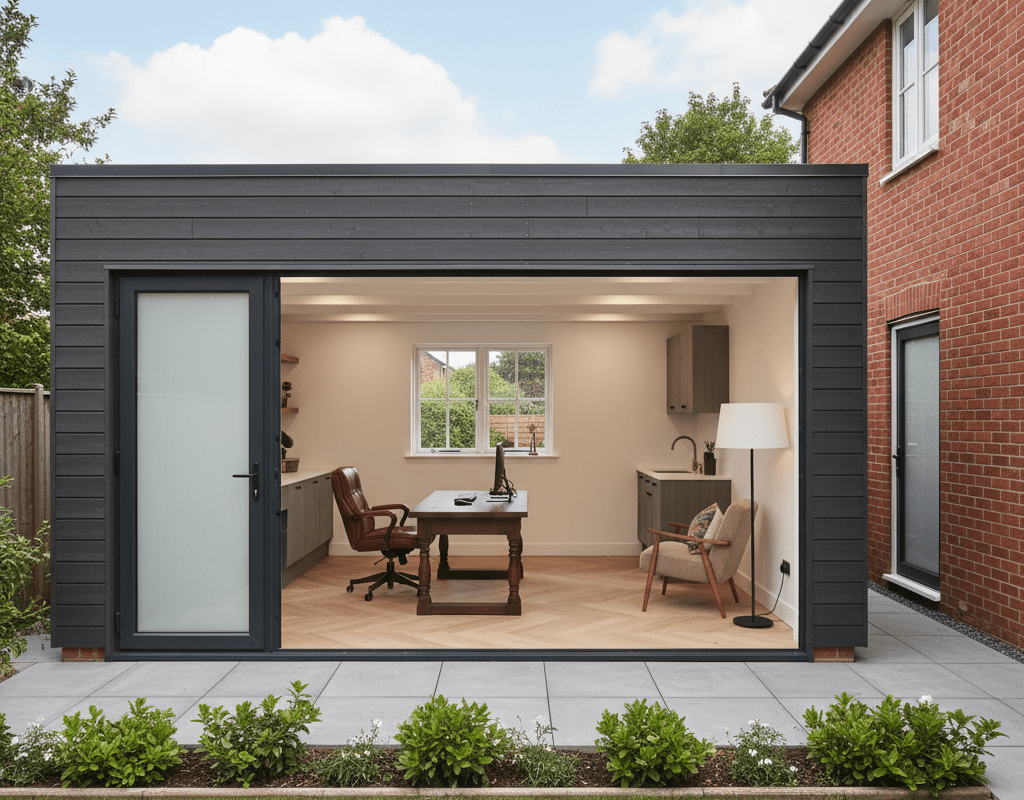
While global supply chains have stabilised, the cost of specialised sustainable materials remains a primary budget driver. Expect to pay a premium for high-spec items like anthracite zinc cladding or oversized slimline aluminium bifolds.
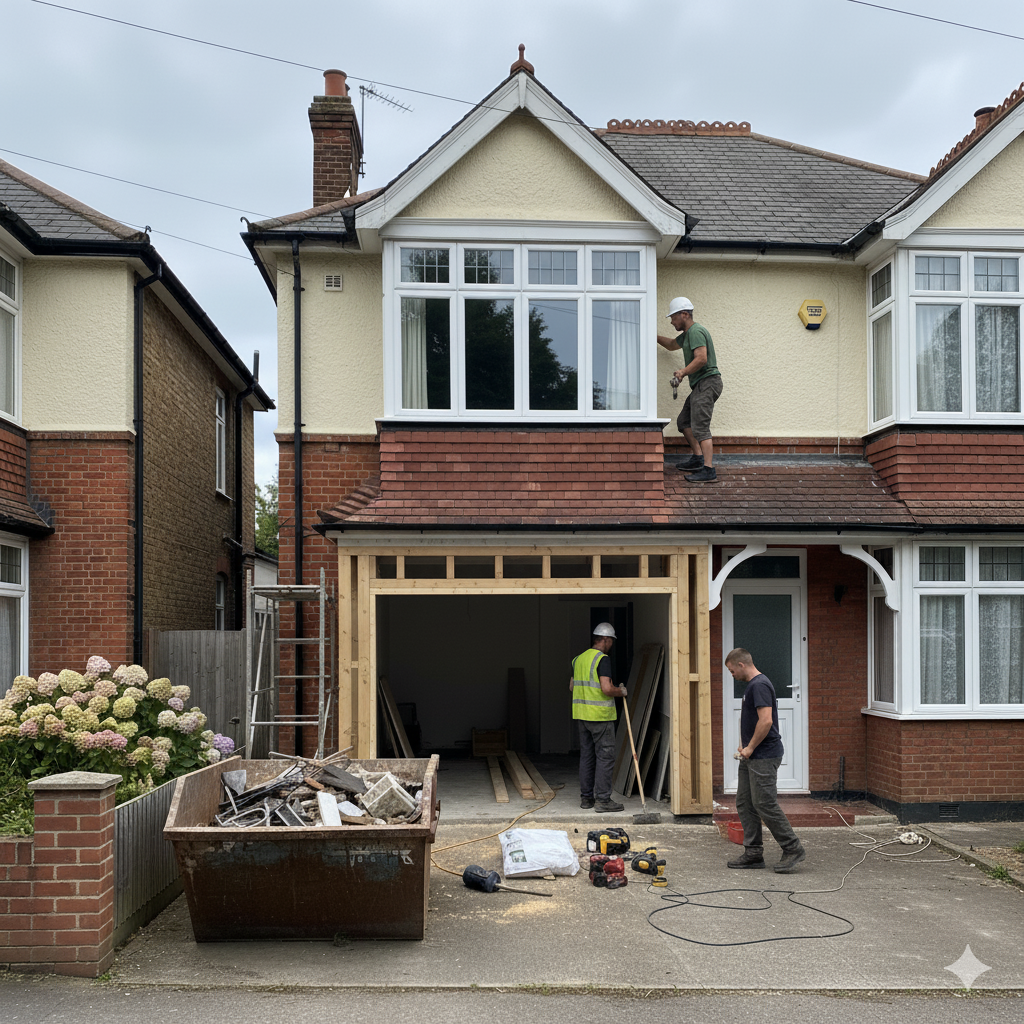
For those looking to balance cost and quality, bespoke garage conversions often provide a cost-effective alternative to a full modular build. However, for a dedicated culinary space, the modular kitchen remains the superior architectural choice.
2026 Material Price Estimates
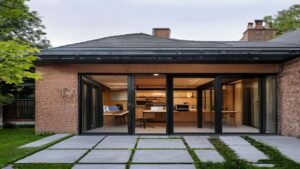
* Aluminium Bifold Doors: £1,500 – £2,200 per linear metre installed.
* Sustainable Timber Cladding: £85 – £130 per square metre.
* Recycled Worktops: £450 – £700 per linear metre depending on the composite mix.
The Installation Process: What to Expect
The modular process begins with a detailed digital twin of your home. This 3D model ensures that the prefabricated timber frame extensions will fit perfectly against your existing masonry.
Once the groundworks are completed by your local team, the modules arrive via flatbed truck. A high-capacity crane lifts the sections into place, often completing the structural envelope in a single working day.
Post-Installation Finishing Touches
* Internal Fitting: Kitchen cabinetry and flooring are often pre-installed in the factory to save time.
* Utility Hook-up: Final electrical and plumbing connections usually take 48 to 72 hours post-delivery.
* Landscaping: Re-instating your garden after crane activity is the final step in the modular journey.
Final Thoughts on Modular Extensions
Investing in a modular kitchen extension in 2026 is a strategic move for any UK homeowner. It combines the benefits of precision engineering with the essential requirements of modern environmental legislation.
By focusing on Net Zero kitchen builds and high-quality timber frames, you create a space that is beautiful, functional, and sustainable. This approach ensures your home remains compliant with UK building regulations for decades to come.
Start Your Extension Journey Today
Ready to transform your home with a cutting-edge modular space? Consult with industry experts who understand the nuances of the 2026 UK construction market to ensure your project is a success.