

Modular House Extensions UK: The Future of Sustainable Living in 2026
Modular house extensions UK are transforming how we expand our living spaces in 2026. This modern method of construction (MMC) offers a faster, cleaner, and more efficient alternative to traditional builds.
Homeowners across London and the South East are increasingly choosing prefabricated solutions. These structures arrive on-site nearly complete, reducing disruption and carbon footprints significantly.
Why Modular House Extensions UK are Dominating 2026
The construction landscape has shifted towards precision engineering and off-site manufacturing. This evolution ensures that every component meets the rigorous 2026 building regulations without the delays of unpredictable British weather.
By choosing a modular approach, you are investing in a future-proofed home. These extensions are designed to integrate seamlessly with existing house extensions while offering superior thermal performance.
Speed and Precision Engineering
Traditional builds often suffer from months of site noise and debris. Modular units are constructed in controlled factory environments, allowing for millimetre-perfect accuracy.
Once the groundworks are ready, the installation usually takes just a few days. This speed makes it the preferred choice for busy families in urban centres like Manchester and Birmingham.
Understanding Prefabricated Extension Cost in 2026
Budgeting for a project requires a clear understanding of the prefabricated extension cost. While initial prices may seem comparable to traditional builds, the total project cost often ends up lower due to reduced labour time.
In 2026, a high-quality modular extension typically ranges from £2,500 to £3,500 per square metre. This price includes high-performance glazing and integrated smart home systems required by modern standards.
Factors Influencing Your Budget
* Site Accessibility: Restricted access in London terraces may require crane hire, impacting the final price.
* Material Selection: Choosing premium anthracite zinc cladding or charred timber will increase costs but add significant value.
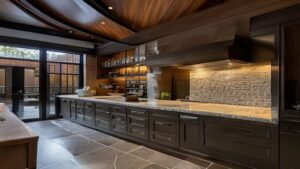
* Internal Fit-out: Bespoke kitchens and integrated smart lighting systems are key variables in your total investment.
Timber Frame Extension Benefits for the Environment
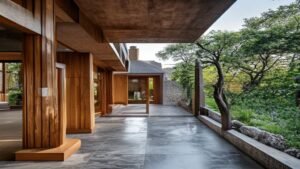
One of the primary timber frame extension benefits is the incredible sustainability profile of the material. Timber acts as a carbon sink, sequestering CO2 throughout the life of the building.
Modern timber frames are engineered for maximum durability and fire resistance. They provide a lightweight yet incredibly strong skeleton for loft conversions and rear extensions alike.
Thermal Performance and Energy Savings
Timber is a natural insulator, making it easier to achieve the low U-values demanded by the Future Homes Standard. This results in significantly lower heating bills for the homeowner.
Furthermore, timber frame systems allow for thicker insulation layers within the wall cavity. This ensures your home stays warm in winter and cool during the increasingly hot UK summers.
Sustainable House Extensions and the Future Homes Standard
In 2026, sustainable house extensions are no longer optional; they are a regulatory requirement. The updated Part L and Part O regulations focus heavily on energy efficiency and overheating prevention.
Modular builds are uniquely positioned to meet these targets. Their airtight construction methods and integrated ventilation systems ensure a healthy, low-carbon living environment.
Mandatory Biodiversity Net Gain Residential Rules
New planning laws now require a 10% Biodiversity Net Gain for residential projects in the UK. This means your extension project must actively contribute to local ecology.
* Green Roofs: Installing a sedum or wildflower roof on your modular unit supports local pollinators.
* Bird and Bat Boxes: Integrating nesting sites into the cladding helps meet local planning requirements.
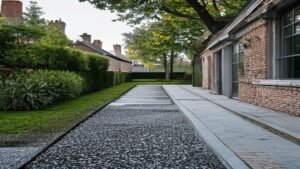
* Permeable Paving: Ensuring groundworks allow for natural drainage reduces the risk of local flooding.
Designing Your Modular Extension for 2026 Trends
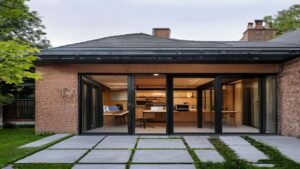
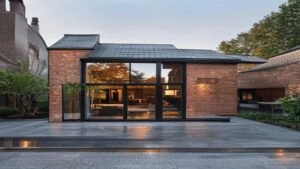
Architecture in 2026 focuses on the ‘inside-outside’ lifestyle. Large bi-folding doors and floor-to-ceiling glazing are standard features in contemporary modular designs.
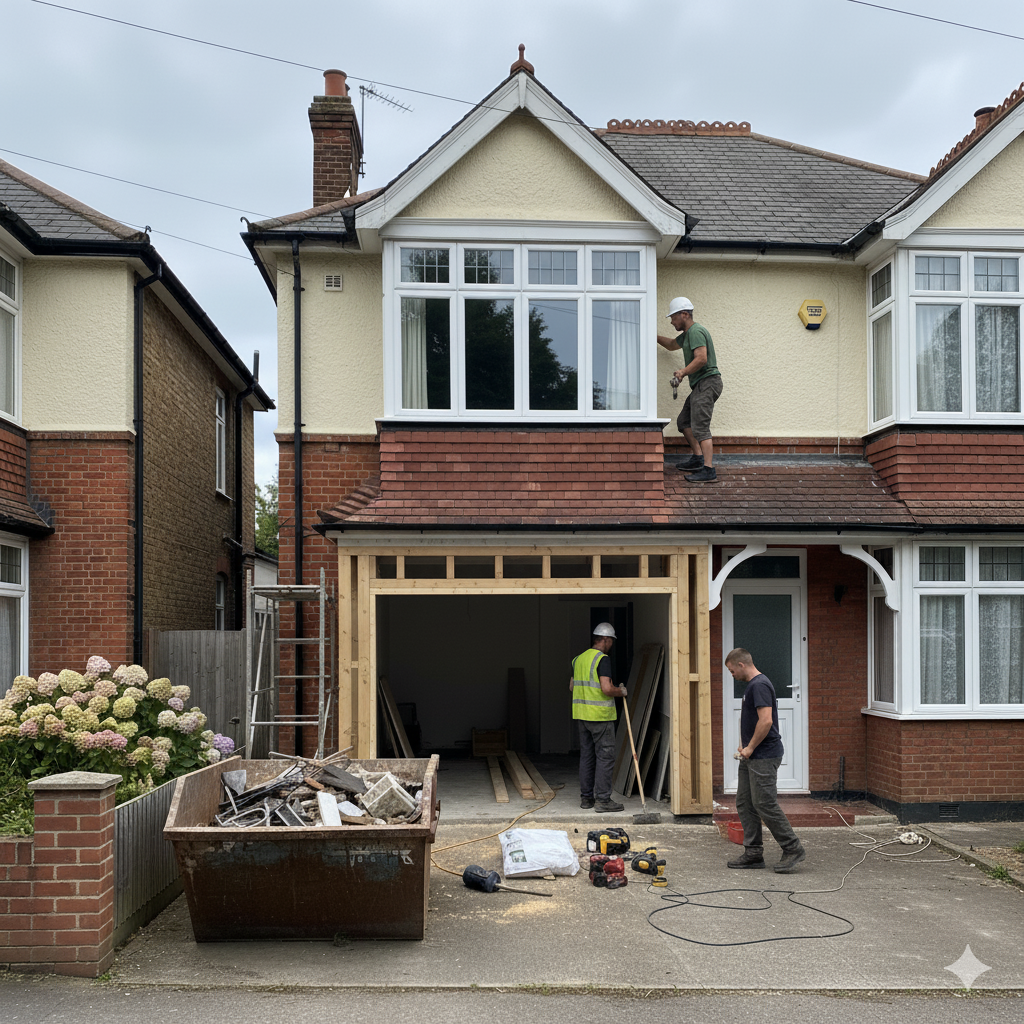
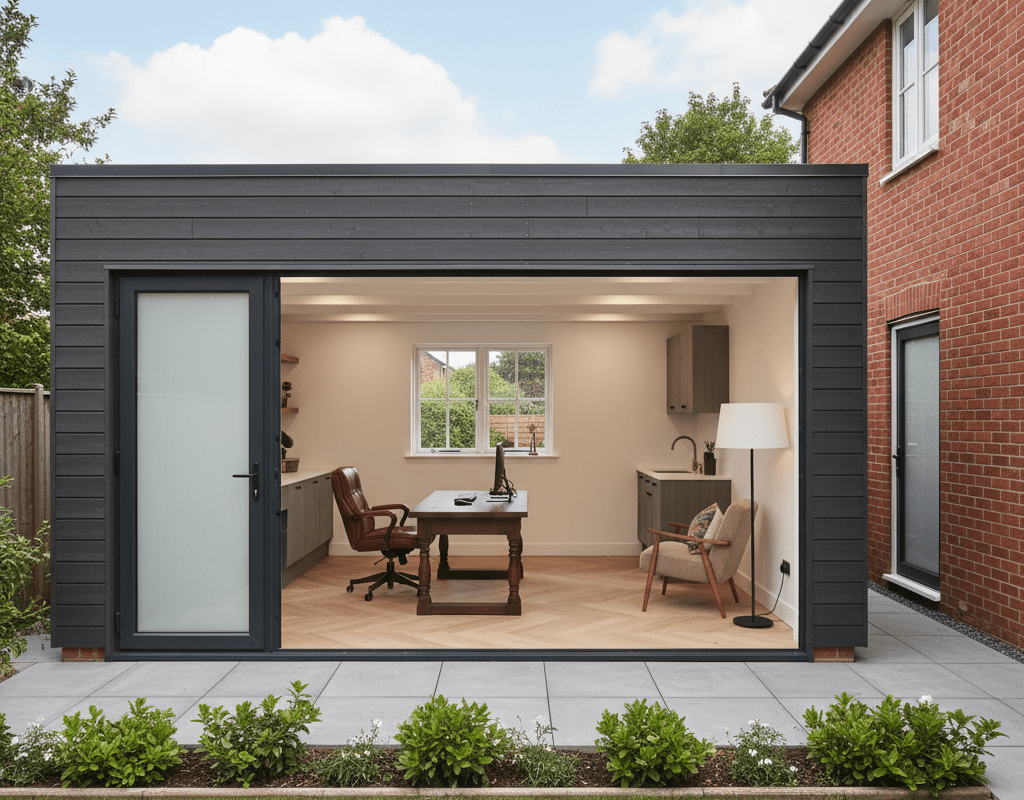
Many homeowners are now opting for garage conversions that connect to new modular pods. This creates a fluid, multifunctional space for remote working or multi-generational living.
The Rise of the ‘Smart’ Modular Pod
Technology is at the heart of the modern UK extension. Every modular unit can be pre-wired for high-speed fibre, integrated solar PV panels, and battery storage systems.
These systems are managed via central hubs, allowing you to optimise energy usage in real-time. This level of integration is far easier to achieve in a factory setting than during a traditional site build.
Planning Permission for Modular House Extensions UK
Many modular extensions fall under Permitted Development rights, provided they meet specific size and height criteria. However, larger projects or those in Conservation Areas will require full planning consent.
Navigating the 2026 planning system requires expert guidance. Modular providers often handle the application process, ensuring designs comply with local character and density requirements.
Checklist for a Successful Project
- Feasibility Study: Confirm your site can accommodate delivery and crane access for the modules.
- Budget Finalisation: Ensure your quote includes groundworks, utility connections, and VAT.
- Supplier Vetting: Choose a manufacturer with a proven track record and BOPAS accreditation for mortgageability.
- Ecological Assessment: Conduct an early review to meet your Biodiversity Net Gain residential obligations.
Final Thoughts on the Modular Revolution
Modular house extensions UK represent the peak of residential construction technology in 2026. They offer a marriage of speed, sustainability, and high-end architectural design.
By investing in a prefabricated solution, you are choosing a more efficient path to a larger home. You also ensure your property remains valuable and compliant in a rapidly changing regulatory environment.