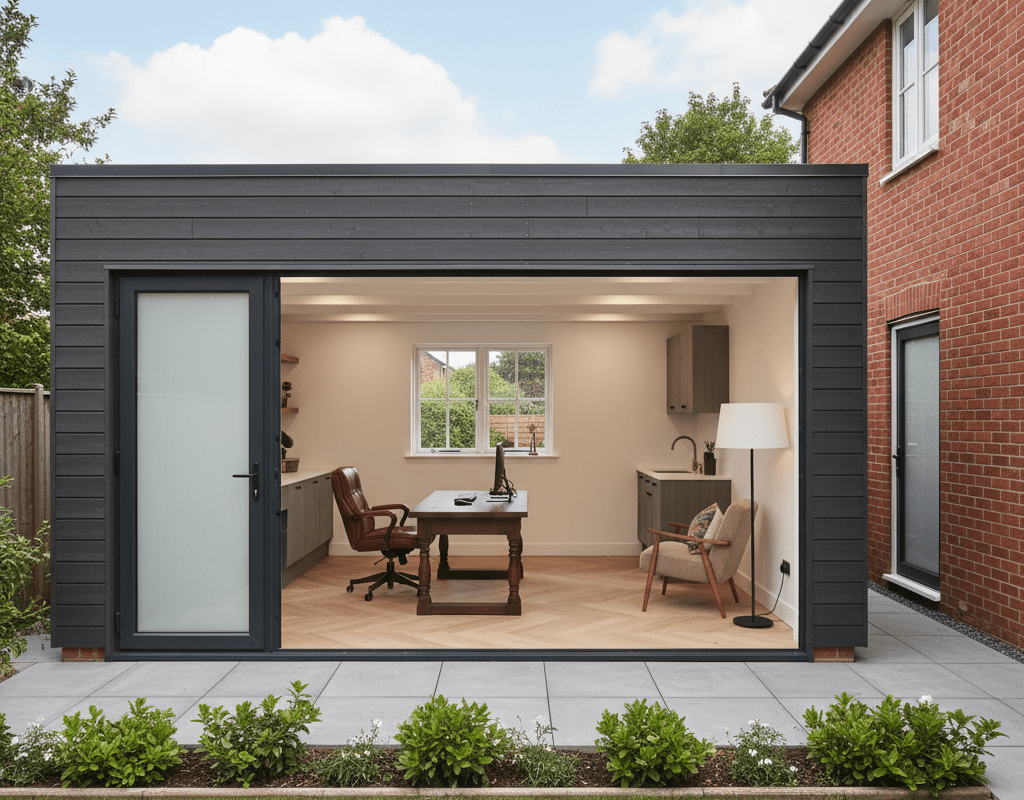


Modular House Extensions UK: Building for a Sustainable Future
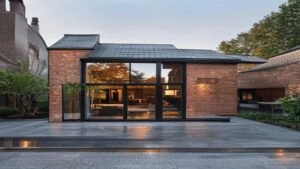
Modular house extensions UK have revolutionised how we approach residential development in 2026. This year marks a significant shift as homeowners prioritise speed, precision, and environmental compliance.
Off-site construction UK residential projects are now the gold standard for those looking to avoid months of on-site disruption. By manufacturing components in controlled environments, we ensure every millimetre meets the rigorous Future Homes Standard.
Why Choose Modular House Extensions UK in 2026?
The demand for modular house extensions UK has soared due to the updated Part L building regulations. These structures offer superior thermal performance compared to traditional masonry builds.
You can now achieve a high-end finish in a fraction of the time. Most units arrive on-site with windows, wiring, and plumbing already integrated.
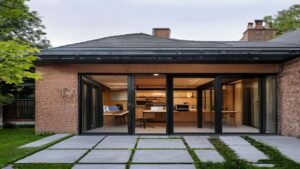
When planning your project, consider how house extensions can add significant value to your property. Modern modular systems are designed to blend seamlessly with both period and contemporary homes.
The Shift Toward Net Zero House Extensions
Net Zero house extensions are no longer a luxury but a requirement for future-proofing your asset. In 2026, carbon sequestration and energy efficiency are the primary drivers of architectural design.
These builds often utilise air-source heat pumps and integrated solar glazing. This ensures your new living space generates as much energy as it consumes over its lifecycle.
Understanding Prefabricated Extension Costs
Prefabricated extension costs have stabilised in 2026 as supply chains for sustainable materials have matured. While the initial investment might seem higher, the reduction in labour hours often results in a lower total project cost.
* Standard Modular Pods: Starting from £2,500 per square metre.
* Premium Timber Frames: Ranging from £3,200 to £4,500 per square metre.
* Foundations and Groundworks: Typically 15% of the total budget.
* Delivery and Crane Hire: Highly dependent on site access and location.
Investing in loft conversions alongside a modular extension can further optimise your build budget. Combining these projects reduces the need for multiple site mobilisations.
Sustainable Timber Frame Extensions: The Green Choice
Sustainable timber frame extensions are the preferred choice for eco-conscious UK homeowners. Timber acts as a natural carbon store, making it far superior to traditional concrete or steel frames.
These frames are precision-cut using CNC technology to ensure airtightness. This level of accuracy is nearly impossible to achieve with manual on-site bricklaying.
The Off-site Construction UK Residential Process
The process of off-site construction UK residential projects follows a strict, highly efficient timeline. It begins with a detailed digital twin of your home created through 3D scanning.
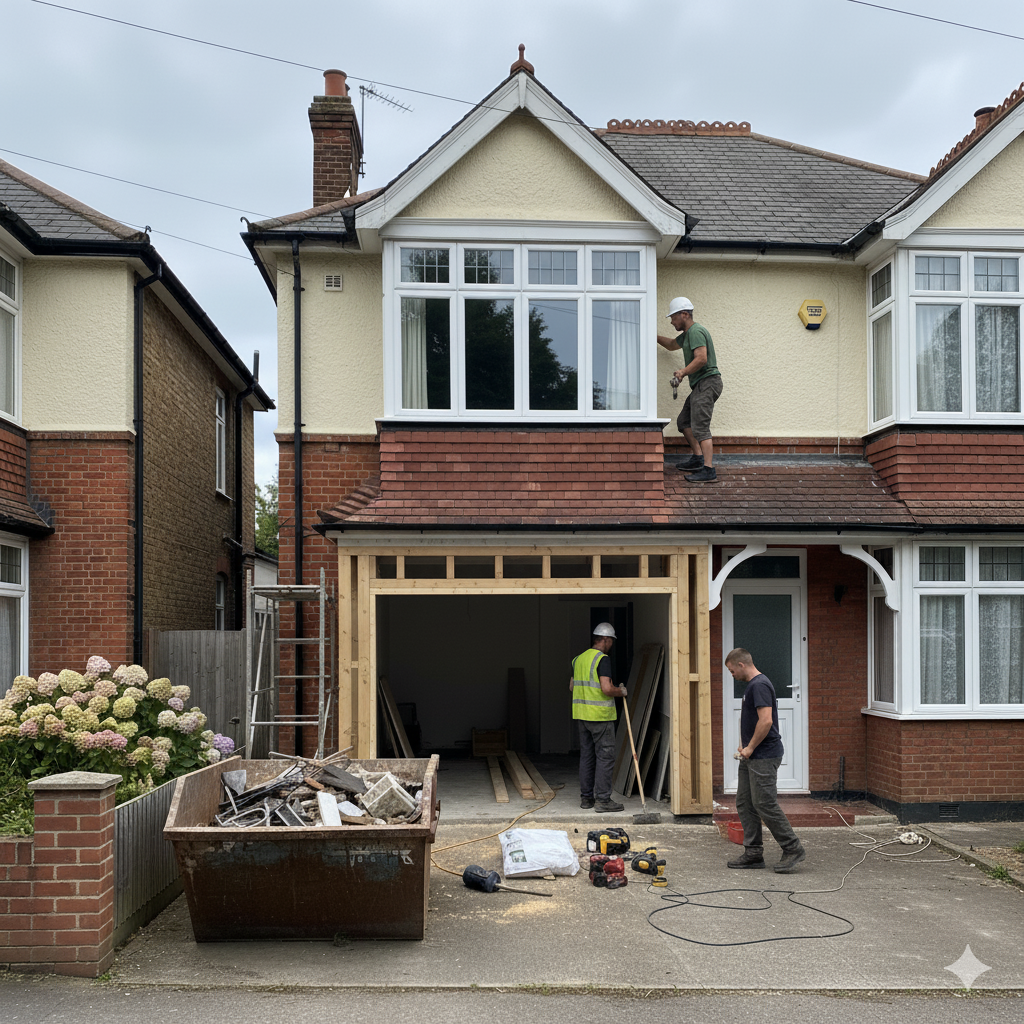
This rapid turnaround is why garage conversions are often integrated into modular masterplans. It allows for a holistic upgrade of the property with minimal lifestyle impact.
Planning Permission and Building Regs for 2026
Navigating the 2026 planning landscape requires an understanding of the latest Biodiversity Net Gain requirements. Most modular house extensions UK qualify for Permitted Development, provided they meet specific size criteria.
You must ensure your build complies with Part O, which focuses on preventing overheating in highly insulated homes. Modular designs frequently incorporate passive cooling features and external shading to meet these rules.
Key Benefits of Modular Building
* Fixed Pricing: Avoid the ‘budget creep’ common with traditional construction methods.
* Reduced Waste: Factory precision reduces material waste by up to 90%.
* Acoustic Excellence: Multi-layered wall systems provide superior soundproofing between rooms.
* Minimal Disruption: No messy cement mixers or piles of bricks in your garden for months.
Materials and Finishes: The 2026 Aesthetic
In 2026, the ‘industrial-meets-natural’ look dominates the UK market. We see a high volume of anthracite zinc cladding paired with characterful lime mortar on base levels.
London stock brick slips are also popular for ensuring modular extensions match Victorian terraces. Using these materials ensures your modular house extensions UK look like they have always been there.
Thermal Performance and Smart Integration
Every modular unit is now equipped with smart home sensors as standard. These monitor humidity, temperature, and CO2 levels to maintain a perfect indoor climate.
Integrating these systems into your sustainable timber frame extensions ensures long-term comfort. This data-driven approach is essential for maintaining Net Zero status throughout the seasons.
Choosing the Right Partner for Your Build
Selecting a contractor with experience in modular house extensions UK is critical for success. You need a team that understands the logistics of crane placement and precision groundworks.
At In-Hire, we provide the expertise needed to manage complex residential projects. Our network of professionals ensures your modular journey is seamless from design to completion.
Future-Proofing Your UK Property
As we look toward 2030, homes that do not meet energy efficiency standards will face devaluation. A modular extension is the fastest way to upgrade your EPC rating to an ‘A’ grade.
By choosing Net Zero house extensions today, you are securing the financial and environmental future of your home. The transition to off-site construction is the smartest move a UK homeowner can make in 2026.