

Modular House Extensions UK Costs 2026: A Definitive Guide
Navigating the landscape of modular house extensions UK costs 2026 requires a deep understanding of modern off-site manufacturing.
As we enter 2026, the UK construction sector has pivoted towards high-performance, sustainable prefabricated solutions to meet strict carbon targets.
Understanding Modular Extension Pricing in 2026
In the current market, homeowners are prioritising speed and thermal efficiency over traditional masonry builds.
Modular house extensions UK costs 2026 typically range from £2,200 to £3,500 per square metre depending on the specification.
Factors Influencing Your Investment
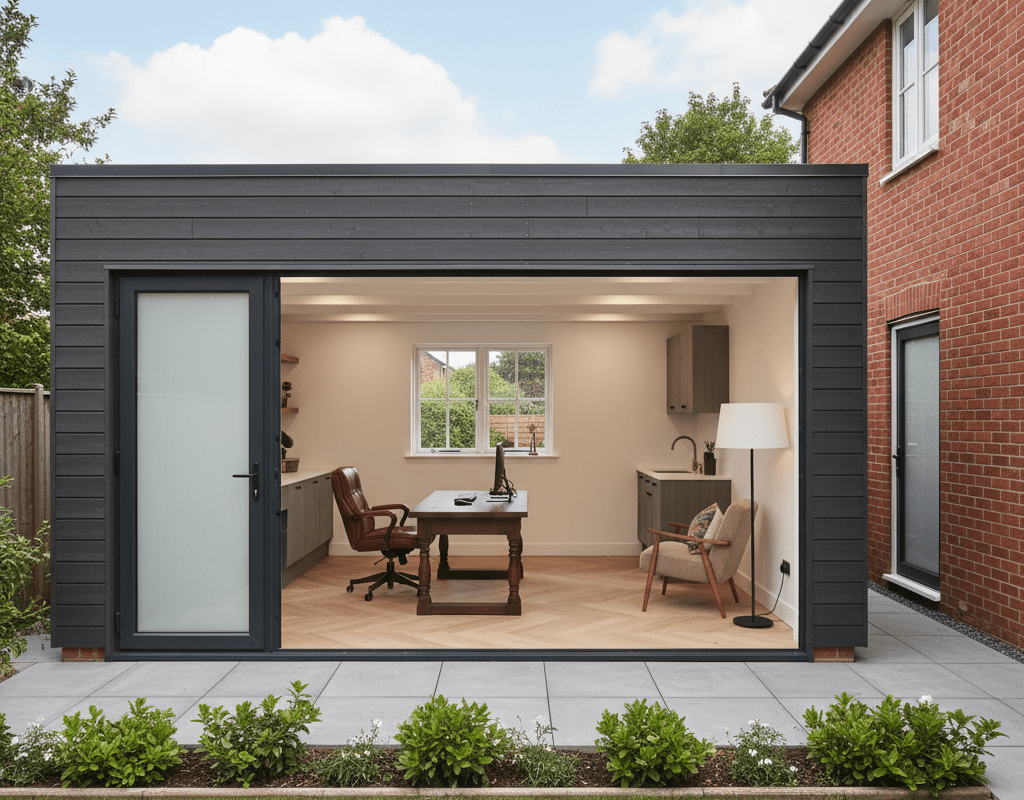
* Material Quality: High-grade timber frames and anthracite zinc cladding sit at the premium end of the spectrum.
* Site Access: Cranage requirements for delivering modules can add significantly to the preliminary costs.
* Smart Integration: Incorporating Future Homes Standard technology like AI-driven heat pumps is now a standard requirement.
For those seeking traditional builds alongside modern additions, our experts at house extensions provide comprehensive cost breakdowns.
Prefabricated Kitchen Extensions: 2026 Pricing Trends
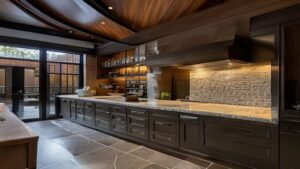
Prefabricated kitchen extensions have become the most popular modular application due to their rapid installation times.
A standard 20-square-metre modular kitchen extension in 2026 costs between £55,000 and £85,000, including high-end finishes.
The Efficiency of Off-site Fabrication
Off-site construction benefits include a 50% reduction in on-site noise and waste compared to traditional methods.
By manufacturing the kitchen pod in a controlled factory environment, builders ensure millimetre-perfect precision for bespoke cabinetry.
Timber Frame Extension Costs and Sustainability
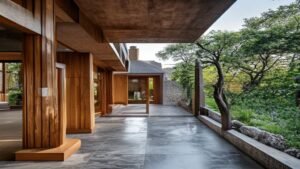
Timber frame extension costs have stabilised in 2026 as local supply chains for UK-grown larch and spruce have expanded.
You should budget approximately £2,400 per square metre for a high-specification timber frame structure with superior U-values.
Natural Insulation and Carbon Sequestration
Timber acts as a natural carbon sink, making it the preferred choice for Net Zero-aligned homeowners.
Modern timber systems now frequently include wood-fibre insulation to meet the rigorous requirements of the 2026 Building Regulations Part L.
If you are considering vertical expansion, our team specialises in loft conversions that utilise similar lightweight timber technology.
Modular Extension Planning Permission and Regulations
Modular extension planning permission in 2026 now involves mandatory assessments for Biodiversity Net Gain (BNG).
Homeowners must demonstrate a 10% increase in local biodiversity, often achieved through green roofs or integrated nesting bricks.
Navigating the 2026 Planning Portal
* Permitted Development: Many modular pods fall under PD rights, provided they do not exceed height restrictions.
* Design Codes: Local authorities now enforce strict design codes to ensure modular units complement existing streetscapes.
* Biodiversity Net Gain for Extensions: A small fee or on-site planting scheme is now essential for most planning approvals.
The Impact of the Future Homes Standard 2026
The 2026 Future Homes Standard mandates that no new extensions can be connected to the gas grid.
This shift has increased modular house extensions UK costs 2026 due to the inclusion of solar PV and battery storage.
Essential Energy Features
Comprehensive home renovations often involve retrofitting these systems into the existing property to ensure consistency.
Comparative Analysis: Modular vs. Traditional
While modular house extensions UK costs 2026 may appear higher upfront, the total project cost is often lower.
Reduced labour hours and the elimination of weather-related delays provide a significant financial advantage for the developer.
Time Savings and Financial Logistics
* Traditional Build: 16–24 weeks on-site with significant disruption.
* Modular Build: 2–4 weeks on-site after an 8-week factory lead time.
* Cost Certainty: Fixed factory pricing protects you from the volatility of raw material costs.
Strategic Material Choices for 2026
Choosing the right cladding is vital for both aesthetic appeal and meeting the updated Part O (Overheating) regulations.
External shading devices and solar-reflective glass are now integral components of the modular envelope.
Popular Cladding Options
* Standing Seam Zinc: Durable, recyclable, and provides a contemporary architectural finish.
* Charred Timber (Shou Sugi Ban): Low maintenance and offers exceptional fire resistance.
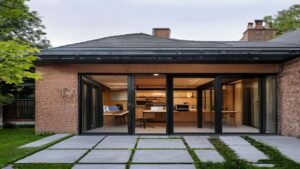
* Brick Slips: Perfect for matching Victorian London stock brick while maintaining a slim profile.
Biodiversity Net Gain for Extensions: A New Requirement
Since the 2026 updates, every extension must contribute to the local ecosystem via biodiversity net gain for extensions.
Modular designs frequently incorporate