

Modern Methods of Construction UK Residential: The 2026 Definitive Guide
The landscape of the British housing market has undergone a radical transformation. As we move through 2026, modern methods of construction UK residential frameworks have become the gold standard for efficiency and sustainability.
Traditional brick-and-mortar builds are no longer the default for many developers. The shift towards precision engineering ensures homes are delivered faster and with significantly lower carbon footprints.
Why Modern Methods of Construction (MMC) Dominate in 2026
Modern methods of construction UK residential strategies now account for over 30% of new housing starts. This growth is driven by the urgent need to meet Net Zero targets and the 2025 Future Homes Standard.
Precision manufacturing reduces material waste by up to 90% compared to traditional sites. It also allows for tighter airtightness levels that traditional methods struggle to achieve consistently.
The Rise of Off-site Manufacturing UK
Off-site manufacturing UK facilities are now situated in key industrial hubs like Manchester and Birmingham. These factories produce entire wall sections, floor cassettes, and utility pods in controlled environments.
By moving the build process indoors, developers avoid the notorious UK weather delays. This consistency ensures that project timelines are met with surgical precision.
Key Types of MMC in Today’s Market
* Volumetric Construction: Entire three-dimensional units or ‘modules’ are finished in a factory.
* Panelised Systems: Open or closed panels (SIPs) are manufactured off-site and assembled on-site.
* Sub-assemblies and Components: Smaller elements like pre-assembled roof trusses or bathroom pods.
* Hybrid Systems: A strategic combination of volumetric and panelised approaches.
The Surge in Modular House Extensions
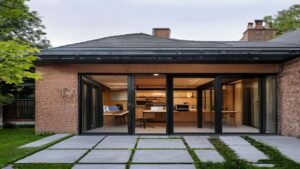
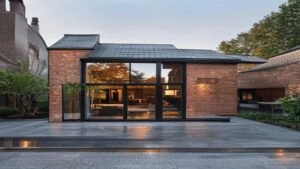
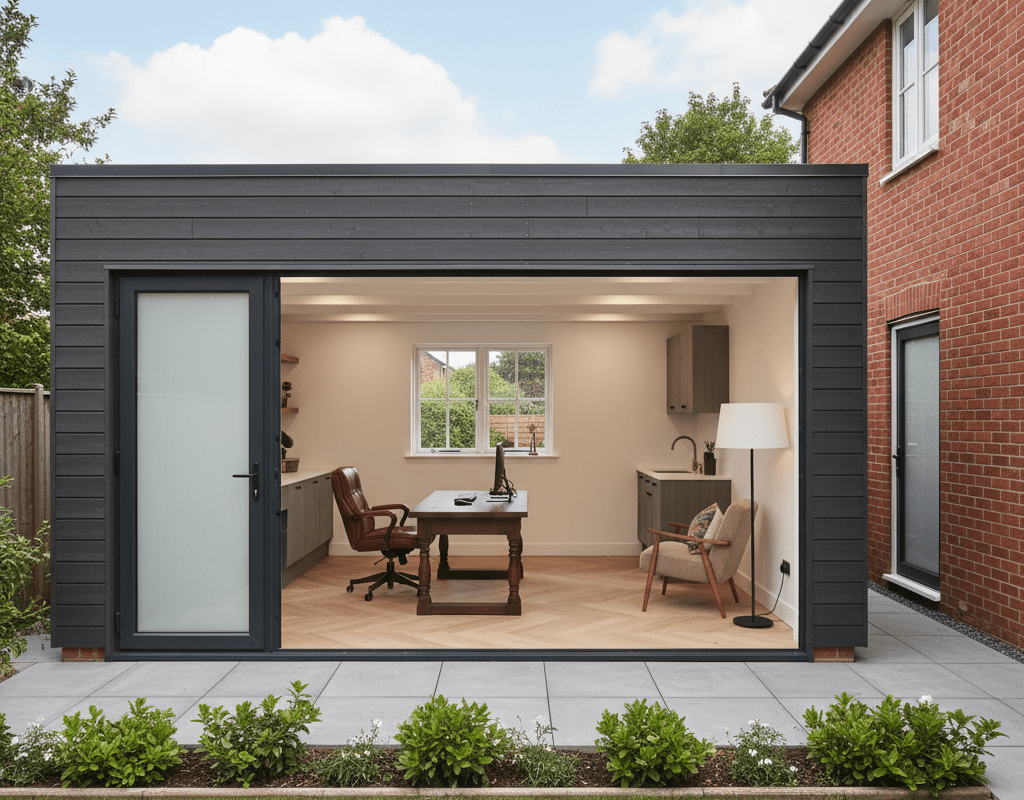
In London and the Cotswolds, modular house extensions have become the preferred choice for premium home renovations. These pre-fabricated units allow homeowners to add space without months of onsite disruption.
Most modular house extensions can be installed in as little as 48 hours. This rapid deployment is ideal for busy urban environments where site access is often restricted.
Top Benefits of Prefab Residential Construction
MMC Building Benefits: Meeting 2026 Regulations
The 2026 building regulations place heavy emphasis on the ‘Golden Thread’ of information. MMC building benefits include the digital logging of every component used in the structure.
This digital twin approach allows for better long-term maintenance and fire safety tracking. Smart home sensors are now frequently integrated directly into the wall panels during the manufacturing stage.
Prefab Residential Construction: A Solution for UK Regions
In Manchester and Birmingham, prefab residential construction is revitalising brownfield sites. These lightweight structures are perfect for locations where heavy traditional foundations are not feasible.
Even in protected areas like the Cotswolds, MMC is being used. Modern finishes like local stone cladding are applied to modular frames to maintain regional aesthetics.
Navigating the Challenges of MMC
* Initial Capital: Higher upfront design costs are required before manufacturing begins.
* Logistics: Transporting large modules through narrow UK streets requires meticulous planning.
* Mortgage Acceptance: Lenders now widely accept MMC, but specialist surveys are still common.
* Design Freeze: Changes cannot be made once the manufacturing process has started.
The Economic Impact of MMC in 2026
The cost of modern methods of construction UK residential projects has reached parity with traditional builds. In many cases, the reduced labour time makes MMC the more cost-effective choice for developers.
With the ongoing skilled labour shortage in the UK, automated factories fill the gap. This allows the remaining onsite workforce to focus on high-level assembly and finishing.
How to Start Your MMC Journey
Future Trends: Beyond 2026
We are already seeing the integration of 3D concrete printing within the MMC sector. This will further reduce waste and allow for more organic, biophilic architectural designs.
Circular economy principles are also becoming standard. Components are now designed to be disassembled and reused at the end of the building’s lifecycle.