




Microcement Floor Finishes UK: A Definitive 2026 Industry Guide
In 2026, the British construction landscape has shifted decisively toward high-performance, low-carbon materials. Selecting the right microcement floor finishes UK is now a critical decision for homeowners seeking both aesthetic elegance and compliance with the latest Future Homes Standard.
Microcement offers a seamless, waterproof finish that bridges the gap between raw industrialism and refined modern luxury. This versatile material has become the gold standard for high-end residential projects across London, Manchester, and the South East.
Why Microcement is Dominating UK Industrial Interior Finishes 2026
The demand for industrial interior finishes 2026 has evolved beyond simple aesthetics to prioritise durability and environmental impact. Modern microcement provides a hand-applied, bespoke texture that mimics natural stone while remaining exceptionally thin and lightweight.
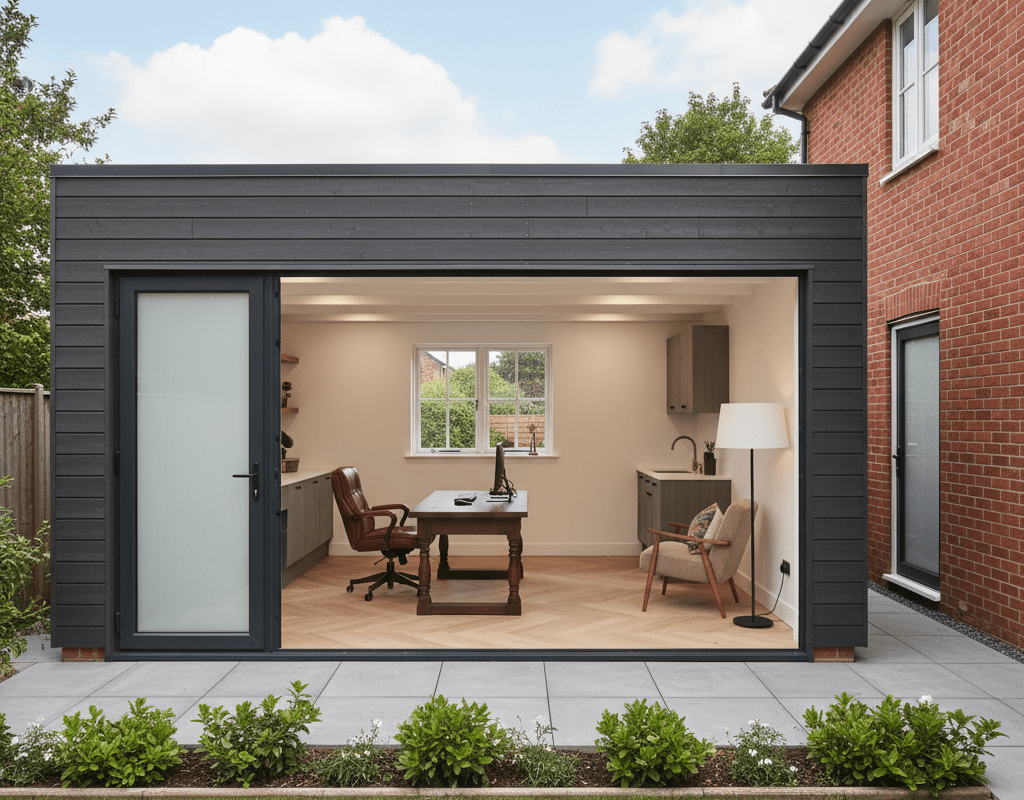
Unlike traditional materials, microcement does not require expansion joints, allowing for a continuous visual flow throughout open-plan living spaces. This makes it an ideal choice for property owners investing in bespoke house extensions where a seamless transition from old to new is required.
The Rise of Bio-Resin Floor Coatings
As we move deeper into 2026, the industry has seen a massive surge in bio-resin floor coatings. These plant-based polymers replace traditional petroleum-based binders, significantly reducing the volatile organic compound (VOC) profile of your home.
Integrating bio-resins into your microcement installation ensures your property meets the strictest air quality standards. These coatings provide superior scratch resistance and UV stability, ensuring your floor colour remains vibrant for decades.
Microcement vs Polished Concrete: The 2026 Comparison
One of the most frequent questions we face is the debate regarding microcement vs polished concrete. While both offer a sleek appearance, their structural requirements and carbon footprints differ significantly.
* Weight and Depth: Microcement is typically applied at a depth of 2-3mm, whereas polished concrete requires a slab of at least 100mm.
* Retrofitting: Microcement is perfect for loft conversions because it doesn’t add significant structural load to existing joists.
* Thermal Conductivity: Microcement is highly compatible with modern electric and hydronic underfloor heating systems, responding faster to temperature changes.
* Flexibility: Microcement is less prone to cracking than traditional concrete due to its polymer-modified composition.
Sustainable Floor Polishing and Maintenance
Sustainable floor polishing techniques have advanced, utilising diamond-encrusted pads and water-based sealants to maintain the floor’s lustre. This eco-friendly approach ensures that your flooring remains a lifetime asset rather than a replaceable surface.
By opting for sustainable maintenance, you align your home with the UK’s Net Zero targets. Regular polishing with non-toxic agents preserves the slip resistance and hygienic properties of the microcement.
2026 Cost Analysis: Investing in Quality
With the 2026 update to the Building Regulations Part L, thermal efficiency is non-negotiable for all UK renovations. The cost of microcement floor finishes UK currently ranges from £90 to £150 per square metre, depending on the complexity of the substrate.
While the initial investment may be higher than laminate or tile, the longevity and lack of maintenance costs offer superior value. For those planning comprehensive property renovations, microcement provides a high-end finish that significantly boosts resale value.
Installation Stages for a Professional Finish
- Substrate Preparation: The base must be rigid, level, and free from moisture to prevent delamination.
- Priming: A high-grip primer is applied to ensure maximum adhesion between the substrate and the microcement.
- Base Layers: Two coats of coarse microcement are applied, often reinforced with a flexible fibreglass mesh.
- Finishing Layers: Two coats of fine-grained microcement are hand-trowelled to create the desired texture.
- Sealing: A minimum of three coats of high-performance polyurethane or bio-resin sealer are applied.
Design Trends: Colours and Textures for 2026
The colour palette for 2026 has moved away from cold, clinical greys toward warmer ‘greige’ and earthy terracotta tones. These colours create a more welcoming atmosphere in residential settings while maintaining the industrial edge that microcement is known for.
Texture is also playing a larger role, with ‘distressed’ finishes and visible trowel marks becoming popular in rural Cotswolds barn conversions. Conversely, London penthouses often opt for a ‘polished silk’ finish that reflects natural light across the room.
Technical Compliance and Building Regulations
All microcement installations must now comply with Part O of the Building Regulations, which focuses on preventing overheating. The thermal mass properties of microcement help regulate internal temperatures, absorbing heat during the day and releasing it slowly at night.
Furthermore, the slip resistance must meet the Pendulum Test Value (PTV) requirements for wet areas. This makes microcement a safe and stylish choice for modern wet rooms and open-plan kitchens.
Choosing the Right Specialist Contractor
Selecting a contractor for your microcement floor finishes UK requires careful due diligence. Ensure your chosen professional has experience with the specific 2026 resin formulations and provides a long-term structural warranty.
Ask to see a portfolio of completed UK projects that have been in situ for at least three years. This will give you confidence in the material’s durability and the contractor’s craftsmanship.
Summary of Benefits
* Seamless Aesthetic: No grout lines or expansion joints for a modern, expansive feel.
* Hygienic: Non-porous surface that does not harbour dust mites or allergens.
* Eco-Friendly: Low VOC emissions and compatible with bio-resin sustainable coatings.
* Durable: Resistant to heavy foot traffic, impact, and stains when properly sealed.
* Versatile: Can be applied over existing tiles, timber, or screed with correct preparation.