


The Future of Low-Carbon Stone Installation London
As we navigate the 2026 construction landscape, low-carbon stone installation London has become the gold standard for luxury residential projects. Homeowners and developers now prioritise building materials that align with the UK’s strict Net Zero targets and Part L building regulations.
Sustainability is no longer a niche choice but a mandatory requirement for high-end London refurbishments. From Chelsea to Shoreditch, the demand for reclaimed stone flooring and low-impact masonry is reshaping our urban environment.
Why Choose Low-Carbon Stone Installation London?
Selecting a low-carbon approach reduces the embodied carbon of your home by up to 60% compared to traditional concrete-heavy methods. This transition is essential for meeting the 2026 energy efficiency standards mandated by local councils.
Local sourcing is the primary driver of this trend, reducing transport emissions significantly across the capital. By choosing UK-quarried stone or salvaged materials, you ensure your project supports the circular economy.
Key Benefits of Sustainable Stone Masonry
* Enhanced Thermal Mass: Natural stone naturally regulates indoor temperatures, reducing the need for mechanical cooling.
* Exceptional Longevity: Quality stone installations last for generations, far outliving synthetic alternatives.
* Healthier Air Quality: Natural stone emits zero VOCs, ensuring a healthier living environment for your family.
* Heritage Compliance: Low-carbon techniques often align perfectly with the conservation requirements of London’s historic boroughs.
Leading Stone Masonry Trends 2026
In 2026, we are seeing a significant shift towards biophilic design and raw, textured finishes. The current stone masonry trends 2026 emphasise the beauty of imperfection and the history of the material.
Architects are increasingly specifying “thin-cut” stone veneers to achieve the look of solid masonry without the carbon weight. This allows for stunning aesthetics while maintaining the structural integrity of modern, high-performance extensions.
Top Trends to Watch
- Monolithic Slab Walls: Large-format stone panels used in bathrooms and kitchens for a seamless, minimalist aesthetic.
- Integrated Smart Heating: Embedding low-voltage heating elements directly beneath stone surfaces for efficient radiant warmth.
- Lime-Based Mortars: A return to traditional lime, which absorbs CO2 during its curing process and allows the building to breathe.
- Digitally Fabricated Patterns: Using CNC technology to create intricate, low-waste designs in natural stone blocks.
Reclaimed Stone Flooring: The Ultimate Green Choice
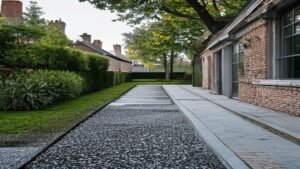
One of the most effective ways to lower your project’s carbon footprint is through reclaimed stone flooring. By repurposing Yorkstone flags or Victorian tiles, you eliminate the need for new quarrying and processing energy.
This material adds immediate character and a sense of history to any London property. It is particularly popular in kitchen extensions where durability and a timeless aesthetic are paramount.
Sourcing Reclaimed Materials in London
* Architectural Salvage Yards: Explore specialist yards in East London for unique, pre-loved stone pieces.
* Demolition Recovery: Partner with contractors who prioritise the careful deconstruction of old masonry for reuse.
* Authenticity Checks: Ensure your reclaimed stone is ethically sourced and free from modern chemical contaminants.
Sustainable Tiling Materials for Modern Interiors
Beyond floor slabs, the use of sustainable tiling materials is transforming wet rooms and splashbacks across the city. Modern innovations include tiles made from recycled glass and industrial by-products.
These materials offer the same water resistance and durability as traditional ceramic but with a fraction of the environmental impact. They are ideal for homeowners seeking a contemporary, eco-conscious finish.
Choosing the Right Tiles
* Recycled Content: Look for tiles with at least 40% post-consumer recycled material to maximise sustainability.
* Low-Temperature Firing: Select brands that use energy-efficient kilns to reduce the carbon intensity of production.
* Terrazzo Revival: High-quality terrazzo utilizing stone offcuts is a major trend for 2026 house extensions.
The Role of Eco-Friendly Tile Adhesives
The sustainability of a stone installation is only as good as the chemicals used to hold it in place. Eco-friendly tile adhesives are now standard for professional installers in London.
Traditional adhesives often contain harmful solvents and high levels of Portland cement. In contrast, 2026’s green alternatives utilise bio-based resins and carbon-neutral binders.
Advantages of Green Adhesives
* Zero VOC Emissions: Protects the indoor air quality during and after the installation process.
* Biodegradable Packaging: Many leading brands now offer plastic-free, compostable bags for their adhesive powders.
* Superior Flexibility: Modern eco-adhesives are engineered to handle the thermal expansion of underfloor heating systems.
Compliance with 2026 Building Regulations
Every low-carbon stone installation London must comply with the latest updates to Part O (Overheating) and Part L (Fuel and Power). These regulations demand rigorous documentation of a material’s thermal performance.
Natural stone is an excellent ally in meeting these standards due to its high thermal mass. It helps prevent London homes from overheating during increasingly warm summers while retaining heat in the winter.
Critical Compliance Checklist
- U-Value Verification: Ensure your stone wall or floor buildup meets the required thermal transmittance levels.
- EPD Documentation: Always request Environmental Product Declarations (EPDs) from your stone supplier.
- Airtightness Integration: Professional installers must ensure stone cladding does not compromise the building’s airtight envelope.
Cost Considerations for 2026 Stone Projects
While the initial investment for low-carbon stone installation London may be higher, the long-term value is undeniable. Sustainable homes now command a premium of 10-15% in the London property market.
Expect to pay between £150 and £350 per square metre for high-quality sustainable stone and expert installation. This price reflects the skilled labour and ethically sourced materials required for a premium finish.
Factors Influencing Your Budget
* Stone Rarity: Locally quarried British stone may cost more than imports but offers lower carbon taxes.
* Subfloor Preparation: Ensuring a perfectly level, insulated base is essential for heavy stone installations.
* Intricacy of Design: Custom-cut patterns and bespoke edge detailing will increase the overall labour costs.
Conclusion: Building a Greener London
Investing in low-carbon stone installation London is a commitment to both quality and the environment. By choosing reclaimed stone flooring and eco-friendly tile adhesives, you are future-proofing your home against 2026 regulations.
Ready to start your sustainable transformation? Partner with experts who understand the intersection of luxury masonry and Net Zero construction.