

The Ultimate Guide to a Low-Carbon Kitchen Renovation in 2026
Achieving a low-carbon kitchen renovation is now a primary objective for homeowners across London and the South East. Following the full implementation of the Future Homes Standard in 2025, the UK construction landscape has shifted permanently toward net-zero targets.
Today, reducing your carbon footprint isn’t just about ethics; it is about future-proofing your property value and lowering operational costs. This guide explores the latest materials and technologies driving the sustainable revolution in British homes.
Why Low-Carbon Kitchen Renovations Matter in 2026
The UK government’s commitment to Net Zero has transformed how we approach internal modifications. A low-carbon kitchen renovation focuses on both embodied carbon in materials and operational carbon during the kitchen’s lifespan.
Choosing high-performance materials ensures your home remains compliant with evolving building regulations. If you are also considering expanding your living space, our experts in house extensions can help integrate these sustainable technologies into a larger footprint.
Selecting Sustainable Cabinetry UK Trends
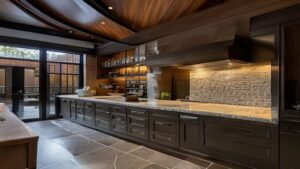
Sustainable cabinetry UK manufacturers have moved beyond simple FSC-certified timber. In 2026, we see a surge in the use of fast-growing bamboo and reclaimed architectural timber for carcases and doors.
Modern cabinetry now avoids formaldehyde-based glues, ensuring better indoor air quality for your family. Look for modular designs that allow for easy repair or individual component replacement rather than total disposal.
* Mycelium Composites: Innovative fungi-based boards are now used for lightweight, carbon-sequestering internals.
* Recycled High-Density Polyethylene (HDPE): Ideal for moisture-prone areas, these are often made from 100% post-consumer waste.
* Strawboard: A rigid, durable alternative to MDF made from compressed agricultural residue.
The Rise of Recycled Kitchen Worktops
Recycled kitchen worktops have become the gold standard for eco-conscious UK homeowners. We have moved away from carbon-heavy virgin granite and towards circular economy materials.
Terrazzo-style surfaces made from recycled glass and porcelain provide incredible durability and a unique aesthetic. These materials offer the heat resistance of stone without the environmental cost of international quarrying and shipping.
* Crushed Glass Surfaces: Highly reflective and non-porous, these are perfect for modern, bright kitchens.
* Paper Composite Surfaces: Surprisingly tough, these are made from recycled paper and resin, feeling like warm stone.
* Reclaimed Hardwood: Sourced from old UK warehouses, these provide a characterful and low-impact alternative for breakfast bars.
Integrating Energy-Efficient Kitchen Appliances
No low-carbon kitchen renovation is complete without the latest energy-efficient kitchen appliances. In 2026, AI-driven energy management systems are standard in high-end UK installations.
Induction hobs remain the superior choice over gas, offering 90% efficiency and faster cook times. When planning your layout, ensure your electrical infrastructure can support these high-load, smart-grid-ready devices.
If your renovation is part of a larger project, such as loft conversions, consider how your appliance energy draw affects the overall thermal performance of the upper floors. Modern heat-pump-integrated dishwashers are also significantly reducing household energy bills.
Water-Saving Bathroom Tech in the Kitchen
While often associated with the washroom, water-saving bathroom tech is being adapted for the modern kitchen. Sensor-operated taps and flow-restrictors are now essential for meeting 2026 water usage targets.
Greywater recycling systems can now be installed beneath the sink to filter wastewater for garden use. This is particularly beneficial for properties in the South East where water scarcity is an increasing concern.
Lighting and Ventilation: Part O Compliance
Building Regulations Part O (Overheating) now influences kitchen design significantly. Large glass expanses must be balanced with solar shading and high-performance glazing to maintain a stable internal temperature.
Low-energy LED lighting with smart dimming reduces electricity consumption and heat gain. Pair this with a mechanical ventilation heat recovery (MVHR) system to ensure a constant supply of fresh air while retaining thermal energy.
Structural Integrity and Sustainable Foundations
When structural changes are required for your kitchen, we prioritise low-carbon cement alternatives. Lime-based mortars and GGBS (Ground Granulated Blast-furnace Slag) concrete significantly reduce the carbon footprint of your build.
Our team provides professional building services that focus on these technical aspects. We ensure that every structural beam and brick used meets the highest sustainability standards available in 2026.
The Cost of Sustainable Renovations in 2026
While initial material costs for sustainable cabinetry and recycled worktops can be 10-15% higher, the long-term ROI is substantial. Reduced energy bills and increased property desirability often offset the upfront investment within five to seven years.
* Energy Savings: Efficient appliances can save the average UK household £300-£500 annually.
* Longevity: Sustainable materials are often chosen for their durability, lasting 30+ years.
* Grant Eligibility: Check for local council ‘Green Home’ grants that support low-carbon upgrades.
Summary of Low-Carbon Steps
Working with an expert contractor ensures these complex elements are integrated seamlessly. From initial design to the final installation of your recycled kitchen worktops, professional oversight is key to achieving a truly net-zero result.