


Loft Conversion Future Homes Standard 2026: A Definitive Guide
Navigating a loft conversion Future Homes Standard 2026 project requires a deep understanding of the UK’s latest Net Zero building regulations. As of this year, every residential development must significantly reduce carbon emissions compared to previous benchmarks.
Homeowners are now prioritising energy efficiency over simple aesthetic upgrades. Ensuring your attic project meets these rigorous standards is essential for future-proofing your property value.
Understanding the Future Homes Standard in 2026
The Future Homes Standard represents a monumental shift in how we approach domestic construction. It mandates that all new additions, including attic extensions, are ‘zero-carbon ready’ without further retrofit.
Working with an expert team for your house extensions ensures that your project is compliant from the initial design phase. This standard prioritises fabric-first approaches and the removal of fossil-fuel dependency.
The Impact of Part L 2026 Insulation Updates
One of the most critical components of the new regulations is the Part L 2026 insulation requirements. These rules demand much lower U-values for roof structures than those seen in the early 2020s.
To achieve compliance, many UK contractors are now utilising high-performance vacuum insulation panels or thicker bio-based wood fibre boards. These materials provide superior thermal retention while maintaining precious headspace in the loft.
* U-Value Targets: Roofs must now achieve a maximum U-value of 0.11 W/m²K.
* Airtightness: Increased focus on vapour control layers to prevent heat leakage.
* Thermal Bridging: Standardised details must be used at all wall-to-roof junctions.
Advanced Glazing: Triple Glazed Roof Lights
In 2026, double glazing is no longer the gold standard for attic spaces. The use of triple glazed roof lights has become the industry norm to satisfy the latest thermal performance metrics.
These units offer exceptional sound insulation and heat retention. They play a vital role in preventing the ‘cold spots’ often associated with traditional dormer windows.
Managing Overheating with Part O Compliance
Part O regulations are now more stringent regarding solar gain in converted roof spaces. While we want natural light, we must prevent the ‘greenhouse effect’ during warmer British summers.
Many Manchester loft planning 2026 approvals now require integrated solar shading or specialised coatings on glass. This ensures the space remains habitable year-round without excessive air conditioning.
Transitioning to Low Carbon Heating Lofts
The era of extending gas boiler loops into the roof is largely over. Low carbon heating lofts are now powered by sustainable alternatives that align with the UK’s electrification of heat.
Integrating air-source heat pumps or infra-red heating panels is becoming standard practice. These systems provide responsive warmth with a significantly lower carbon footprint than traditional radiators.
Smart Home Integration and Energy Monitoring
Modern loft conversions in 2026 are inherently ‘smart’ by design. New builds and extensions are often fitted with energy monitoring systems to track real-time efficiency.
* Smart Thermostats: Zonal heating control for the loft space is a regulatory preference.
* Heat Recovery: Mechanical Ventilation with Heat Recovery (MVHR) is often necessary for airtight conversions.
* LED Lighting: Low-energy lighting design is mandatory under the updated Part L codes.
Planning Permission and Regional Variations
When considering Manchester loft planning 2026, homeowners must be aware of local density and sustainability targets. The Greater Manchester Combined Authority has introduced specific ‘green’ mandates for all structural alterations.
If you are planning a loft conversion, it is vital to consult with a professional who understands these regional nuances. Planning officers now scrutinise carbon calculations as part of the standard application process.
Permitted Development vs Full Planning
While many lofts still fall under Permitted Development, the technical requirements remain identical to those requiring full planning. You must still demonstrate compliance with the Future Homes Standard via Building Control.
Failure to document the use of compliant materials can lead to significant delays. Always ensure your contractor provides a detailed schedule of works that specifies 2026-compliant components.
Material Costs and Sustainable Procurement
The cost of materials in 2026 has stabilised, but high-performance products remain a premium investment. Prioritising quality over initial savings will lead to lower operational costs over the building’s lifecycle.
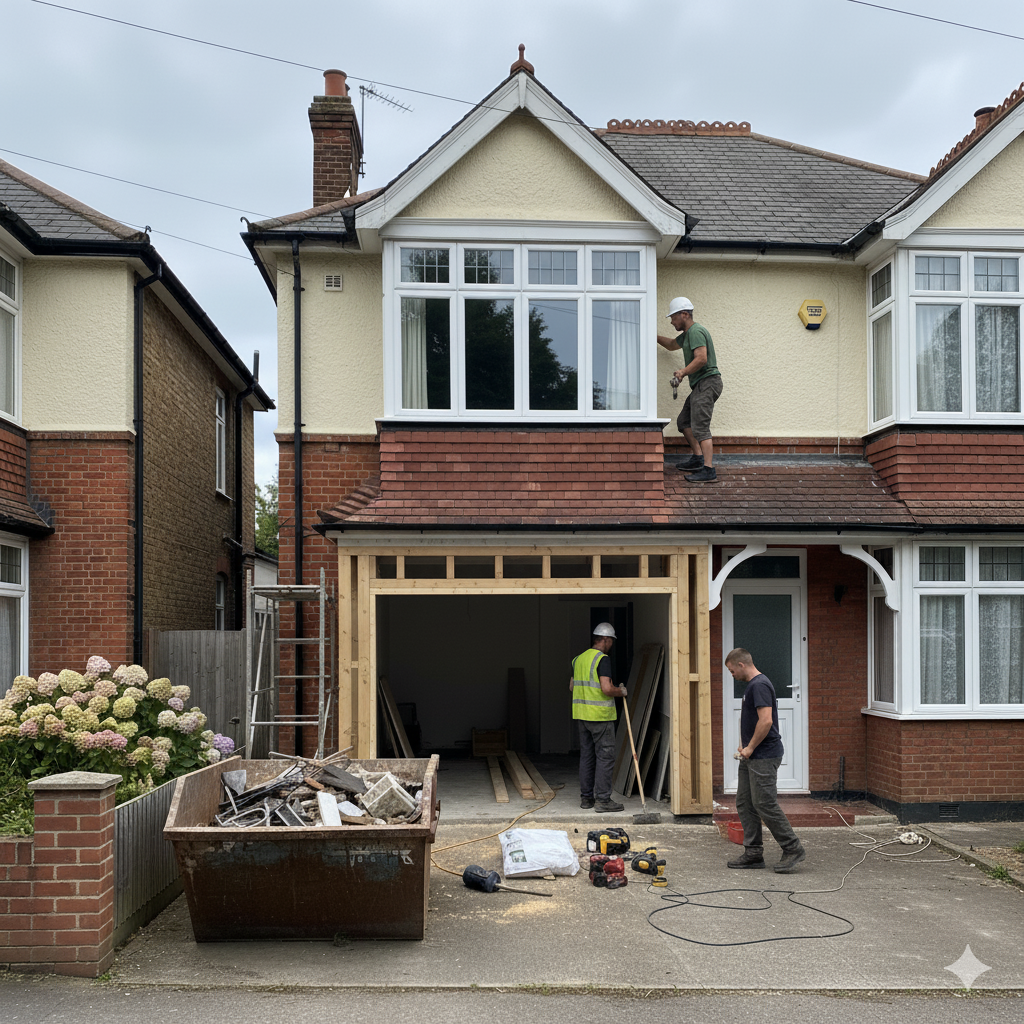
Choosing garage conversions or loft projects often involves sourcing sustainable timber and low-carbon cement alternatives. These materials help achieve the ’embodied carbon’ targets set by modern building codes.
* Timber Frames: Responsibly sourced, FSC-certified timber is the preferred structural material.
* Zinc Cladding: Anthracite zinc is popular for its longevity and 100% recyclability.
* Recycled Slates: Welsh blue slate or recycled composite tiles are favoured for heritage aesthetics.
The Professional Construction Process in 2026
Executing a loft conversion today requires a multi-disciplinary approach. It begins with a digital twin or 3D BIM (Building Information Modelling) scan of your existing property.
This allows for precision-engineered components, such as prefabricated dormer pods, to be craned into place. This method reduces onsite waste and ensures the airtightness required by the Future Homes Standard.
Step-by-Step Compliance Checklist
- Feasibility Study: Verify that your existing structure can support the required 2026 insulation thickness.
- SAP 10 Calculations: Ensure your design passes the latest carbon emission modelling.
- Structural Engineering: Incorporate steel or glulam beams that accommodate high-performance thermal breaks.
- Specialist Installation: Use certified installers for air-source heat pumps and MVHR systems.
Why Quality Matters for Future Resale
In 2026, the Energy Performance Certificate (EPC) of a home is a primary driver of its market value. A loft conversion that ignores the Future Homes Standard will likely devalue the property.
Buyers are increasingly wary of ‘legacy’ conversions that will require expensive retrofitting. Investing in a 2026-compliant loft ensures your home remains a liquid and desirable asset in the UK market.
Conclusion: Building for Tomorrow
The loft conversion Future Homes Standard 2026 is not just a hurdle; it is an opportunity to create a superior living environment. By embracing Part L 2026 insulation and triple glazed roof lights, you create a space that is quiet, warm, and sustainable.
Ensure your project is handled by experts who understand the complexities of the current UK building landscape. With the right planning, your new loft will be the pinnacle of modern, low-carbon living.