




Mastering Large Format Porcelain Tiling in the UK: The 2026 Guide
Large format porcelain tiling in the UK has become the gold standard for high-end residential extensions and renovations in 2026. This year, we are seeing a significant shift towards slabs exceeding 1200mm x 2400mm as homeowners seek to minimise grout lines.
Achieving a flawless finish requires more than just high-quality materials; it demands precision engineering and an understanding of modern UK building regulations. Whether you are planning a sleek house extension or a modern kitchen redesign, large format slabs offer unparalleled aesthetic continuity.
In this expert guide, we explore the technical requirements, material benefits, and installation nuances of these oversized porcelain tiles. We will also examine how they integrate with the latest Future Homes Standard requirements regarding thermal mass and efficiency.
Why Large Format Porcelain is Dominating UK Design
The primary appeal of large format porcelain tiling in the UK lies in its ability to create a sense of boundless space. By reducing the frequency of grout interruptions, the floor becomes a single, cohesive canvas that enhances the architectural volume of a room.
Modern porcelain manufacturing has evolved to mimic natural stone, marble, and concrete with incredible realism. These slabs are thinner and stronger than ever, allowing for easier handling despite their expansive dimensions.
* Enhanced Visual Space: Fewer grout lines make even modest UK rooms feel significantly larger.
* Hygienic Surface: Reduced grout area means fewer places for dirt, mould, or bacteria to accumulate.
* Modern Aesthetics: Perfect for achieving the industrial, minimalist, or high-luxury looks popular in 2026.
* Durability: Porcelain is non-porous and highly resistant to scratches, stains, and UV fading.
Achieving a Seamless Indoor Outdoor Tile Transition
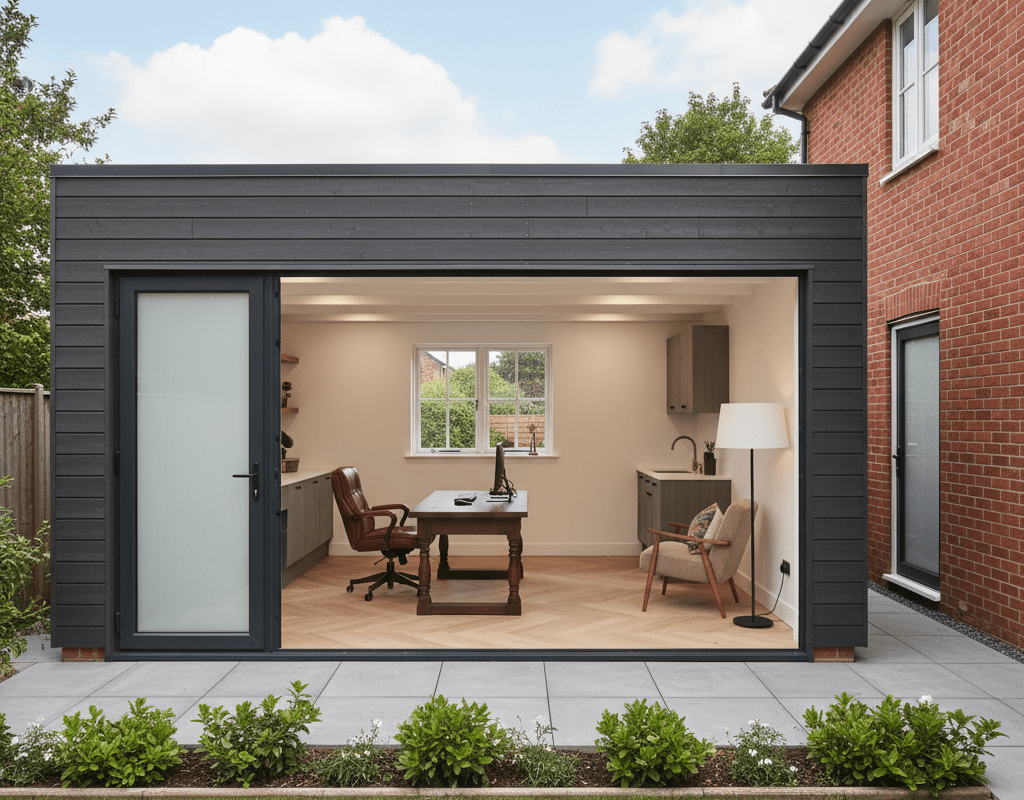
A defining trend of 2026 is the blurring of boundaries between the interior and the garden. Creating a seamless indoor outdoor tile transition is now a standard requirement for most modern loft conversions and rear extensions.
To achieve this, specify tiles with the same visual print but different surface textures. Use a smoother finish for the interior and a higher R-rated texture for the external patio area.
Safety First: Specifying Slip-Rated Porcelain Tiles
Safety is paramount when dealing with large surface areas, particularly in high-traffic zones or wet areas like kitchens and hallways. All professional installations must prioritise slip-rated porcelain tiles that meet current UK health and safety standards.
For internal dry areas, an R9 or R10 rating is typically sufficient for residential use. However, for any area exposed to moisture, you must look for higher specifications.
* R11 Ratings: The minimum requirement for external patios and wet-room environments.
* PTV (Pendulum Test Value): Look for a PTV of 36+ in both wet and dry conditions to ensure compliance with 2026 safety benchmarks.
* Textured Finishes: Modern anti-slip technology allows tiles to feel smooth to the touch while providing exceptional grip when wet.
Precision Tiling Over Underfloor Heating
With the 2026 Future Homes Standard mandating low-carbon heating, tiling over underfloor heating (UFH) has become a critical skill for UK installers. Porcelain is an excellent thermal conductor, making it the ideal partner for air-source heat pump systems.
However, large slabs are subject to thermal expansion, which can lead to cracking if not managed correctly. You must use high-quality S2 flexible adhesives and decoupling membranes to allow for subfloor movement.
* Thermal Expansion Joints: Must be placed around the perimeter and across doorways to manage stress.
* Curing Times: Never turn on the UFH system too early; the adhesive must fully cure to prevent debonding.
* Heat Distribution: Ensure 100% adhesive coverage (back-buttering) to eliminate air pockets that act as insulators.
The Technical Challenges of Seamless Floor Installation
A professional seamless floor installation using large format slabs is not a DIY task. It requires specialist suction lifting equipment, precision cutting bridges, and at least two expert tilers to handle each slab.
Subfloor preparation is the most critical stage of the process. For slabs of this size, the floor must be perfectly level, often requiring high-flow self-levelling compounds to achieve a tolerance of less than 3mm over a 3-metre span.
2026 Material Costs and Sustainability
In 2026, the cost of large format porcelain tiling in the UK reflects both the high quality of the material and the specialised labour required. Expect to pay between £80 and £150 per square metre for premium Italian or Spanish porcelain.
Sustainability is now a core factor in material selection. Many leading manufacturers now produce ‘Net Zero’ porcelain, utilising recycled content and renewable energy during the firing process.
* Carbon Offsetting: Many UK suppliers now provide EPD (Environmental Product Declaration) certificates for their slabs.
* Longevity: The 50-year lifespan of porcelain makes it a much more sustainable choice than vinyl or laminate.
* Efficiency: Its compatibility with low-temp heating systems reduces overall household energy consumption.
Professional Installation Checklist
When hiring contractors for your garage conversion or new build, ensure they follow these industry-leading steps. A failure at any stage can lead to expensive remedial work in the future.
* Substrate Check: Is the floor screed dry? Use a moisture meter to confirm it is below 75% Relative Humidity.
* Back-Buttering: Both the floor and the back of the tile must be coated in adhesive to ensure a solid bed.
* Levelling Systems: Use a mechanical clip and wedge system to eliminate ‘lippage’ between the slab edges.
* Grout Selection: Use epoxy or high-performance cementitious grouts that match the tile’s colour for a monolithic appearance.
Conclusion: Investing in Excellence
Large format porcelain tiling in the UK is a transformative investment for any property. It offers a level of sophistication and durability that smaller tiles simply cannot match, especially when integrated with modern heating and indoor-outdoor design principles.
By following the 2026 standards for installation and material selection, you ensure your home remains at the forefront of UK architectural trends. For professional assistance in planning your next project, contact the experts at In-Hire today.