



Landlord EPC C Renovation UK: Meeting the 2026 Standards
Navigating the Landlord EPC C Renovation UK landscape has become a critical priority for property investors this year. Following the 2026 updates to the Future Homes Standard, achieving a Rating C is now the mandatory benchmark for new tenancies.
Modernising your portfolio requires a strategic approach to building fabric and energy systems. Investors must balance initial capital expenditure against long-term asset value and tenant retention in a competitive market.
Understanding the 2026 EPC C Rental Requirements
The current EPC C rental requirements are designed to drive the UK towards its Net Zero targets by 2050. Failure to meet these standards can result in significant financial penalties and an inability to market your property legally.
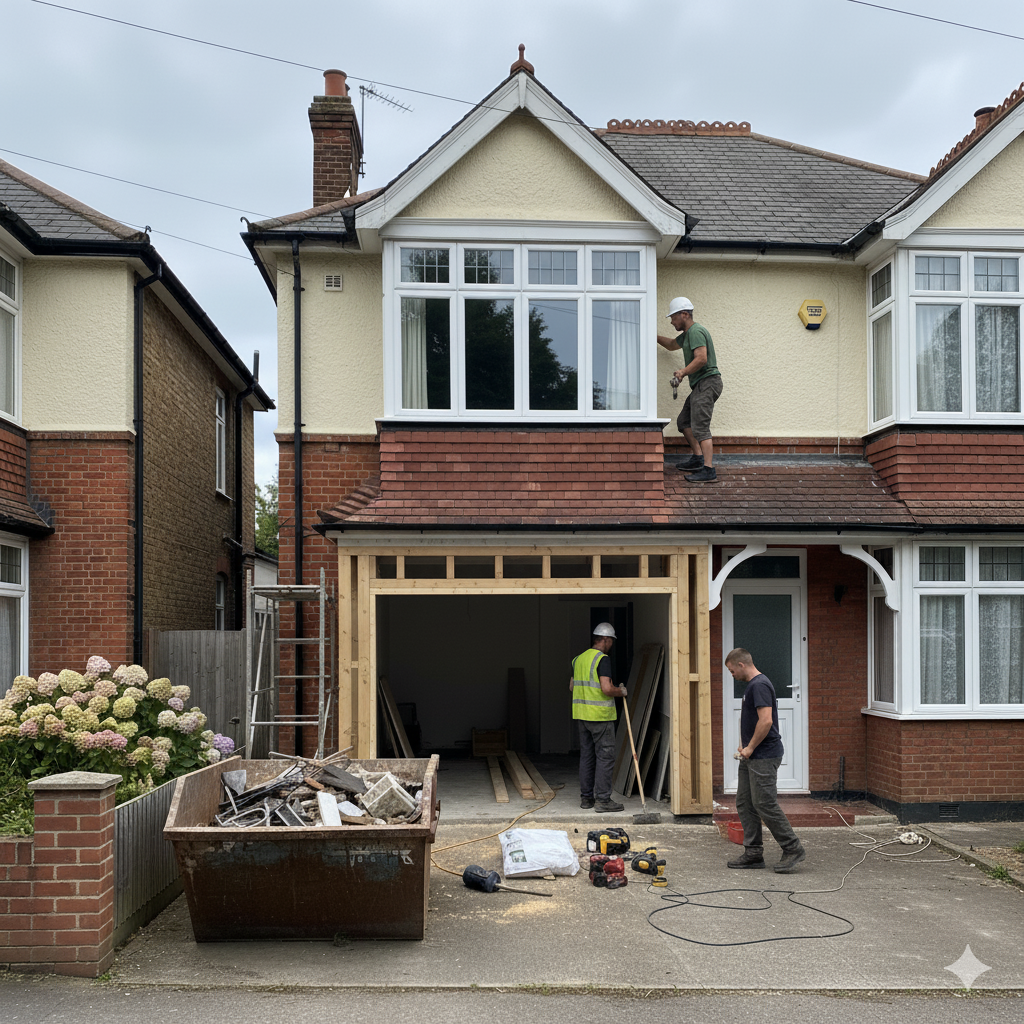
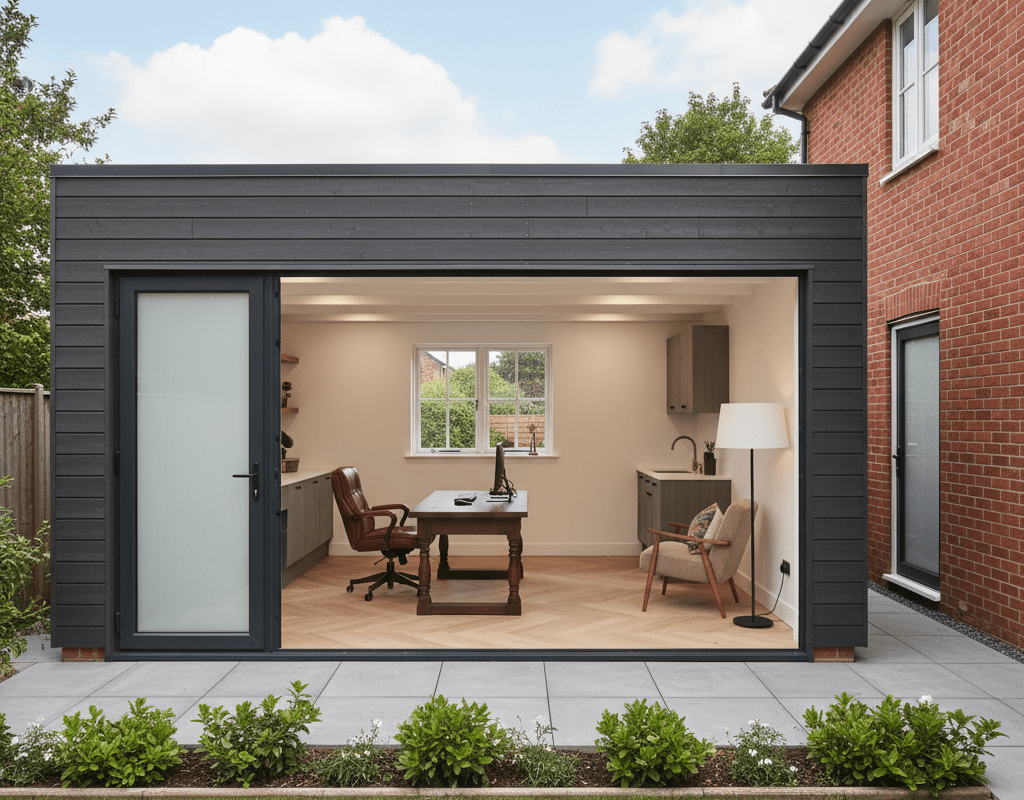
Many landlords are now integrating house extensions into their renovation plans to combine space creation with energy efficiency. This dual approach maximises the Return on Investment (ROI) while ensuring total compliance with the latest Part L building regulations.
High-Performance Internal Wall Insulation Strategies
For traditional Victorian or Edwardian terraces, internal wall insulation remains the most effective way to improve thermal performance. Using breathable materials like wood fibre or lime-based systems prevents damp while drastically reducing U-values.
Modern aerogel blankets are also gaining popularity in the 2026 market due to their ultra-thin profile. These materials allow you to maintain floor space while achieving the rigorous insulation targets required for a Grade C certificate.
* Benefits of Solid Wall Insulation:
* Significant reduction in annual heating bills.
* Elimination of cold bridges and surface condensation.
* Increased acoustic privacy between neighbouring properties.
* Improved EPC score by up to 15 points.
2026 Heat Pump Installation Cost and Feasibility
As gas boiler phase-outs accelerate, the heat pump installation cost has stabilised due to increased trade expertise and government subsidies. In 2026, an Air Source Heat Pump (ASHP) for a standard semi-detached home typically ranges between £8,000 and £13,000.
When planning a loft conversion, many owners now install hybrid systems to handle the increased heating demand. These systems integrate seamlessly with smart home hubs to optimise energy usage based on real-time electricity tariffs.
Optimising HMO Renovation Standards for Energy Efficiency
The HMO renovation standards in 2026 are particularly stringent due to higher occupancy levels and energy consumption. Upgrading to communal heat interfaces and individual room thermostats is now considered a baseline requirement for professional landlords.
Fire-rated internal wall insulation is essential in high-occupancy buildings to meet both thermal and safety regulations. We recommend consulting with specialists who understand the intersection of HMO licensing and the Future Homes Standard.
* HMO Upgrade Checklist:
1. Install LED lighting with PIR motion sensors in communal hallways.
2. Upgrade to triple-glazed aluminium or timber windows.
3. Implement smart TRVs on all radiators for individualised control.
4. Ensure loft insulation depth meets the new 300mm standard.
The Role of Solar PV and Battery Storage
Solar PV has become a cornerstone of the Landlord EPC C Renovation UK strategy in 2026. With battery storage costs falling by 30% over the last two years, storing solar energy for evening use is now financially viable.
Integrating solar panels during a new build project is significantly cheaper than retrofitting older stock. This technology not only boosts your EPC rating but also allows you to offer ‘bills-included’ tenancies with predictable overheads.
Future-Proofing with Smart Home Technology
Smart technology is no longer a luxury; it is a vital component of modern energy management. In 2026, AI-driven thermostats can predict heating needs based on weather forecasts and occupancy patterns.
These systems provide landlords with data-driven insights into how their properties are performing. This information is invaluable when planning future maintenance or documenting compliance for green mortgage refinancing.
Managing the Renovation Timeline and Costs
A comprehensive Landlord EPC C Renovation UK project typically takes between 8 and 12 weeks to complete. Phasing the work during void periods is essential to minimise rental income loss while ensuring high-quality finishes.
Investing in High-Quality Glazing Solutions
Replacing drafty single or double glazing with high-performance triple glazing is a 2026 standard. Vacuum-insulated glazing (VIG) is also emerging as a preferred choice for heritage properties where frame profiles must remain slim.
Properly installed windows significantly reduce the ‘cold spot’ effect, making the living space more comfortable for tenants. This investment directly contributes to higher rental yields and longer-term tenancy agreements.
Summary of 2026 Retrofit Priorities
Achieving EPC C is a mandatory journey that enhances the quality of the UK’s housing stock. By focusing on a fabric-first approach and adopting renewable technologies, landlords can protect their investments for the next decade.
Expert guidance is crucial to ensure that every pound spent contributes to compliance and asset growth. Stay ahead of the regulations by choosing materials and systems that exceed the current minimum standards.