


Internal Wall Insulation Part L UK: The 2026 Professional Guide
Meeting the latest standards for internal wall insulation Part L UK is no longer just about comfort; it is a legal necessity for 2026 renovations. The Future Homes Standard has fundamentally shifted how we approach thermal envelopes in existing British housing stock.
Achieving the mandatory u-value requirements 2026 demands a precision-led approach to material selection and installation techniques. Whether you are retrofitting a Victorian terrace or a modern apartment, understanding these regulations is the first step toward a high-performance home.
Understanding Part L and the Future Homes Standard 2026
Part L of the Building Regulations has undergone significant tightening to align with the UK’s Net Zero targets. In 2026, the focus is on ‘fabric first’ principles, ensuring that heat loss is minimised through the building structure itself.
For internal works, this means achieving specific thermal transmittance levels that were once reserved for new builds. Most projects now target a U-value of 0.18 W/m²K or better to ensure long-term compliance and future-proof asset value.
The Critical Role of U-Value Requirements 2026
The u-value requirements 2026 mandate that any significant renovation to a thermal element must meet strict efficiency thresholds. This prevents the ‘performance gap’ often seen in older UK properties where heat escapes through solid masonry walls.
If you are planning comprehensive structural changes, integrating these standards is essential. Many homeowners combine these upgrades with bespoke house extensions to ensure the entire property meets modern energy benchmarks.
Why Thermal Efficiency Matters Now
* Energy Security: High-performance insulation protects homeowners from volatile energy market fluctuations.
* Carbon Reduction: Reducing the heating demand is the most effective way to lower a property’s carbon footprint.
* Property Value: Homes with high EPC ratings and proven Part L compliance command significant premiums in the 2026 UK market.
Dry Lining for Thermal Efficiency: Professional Methods
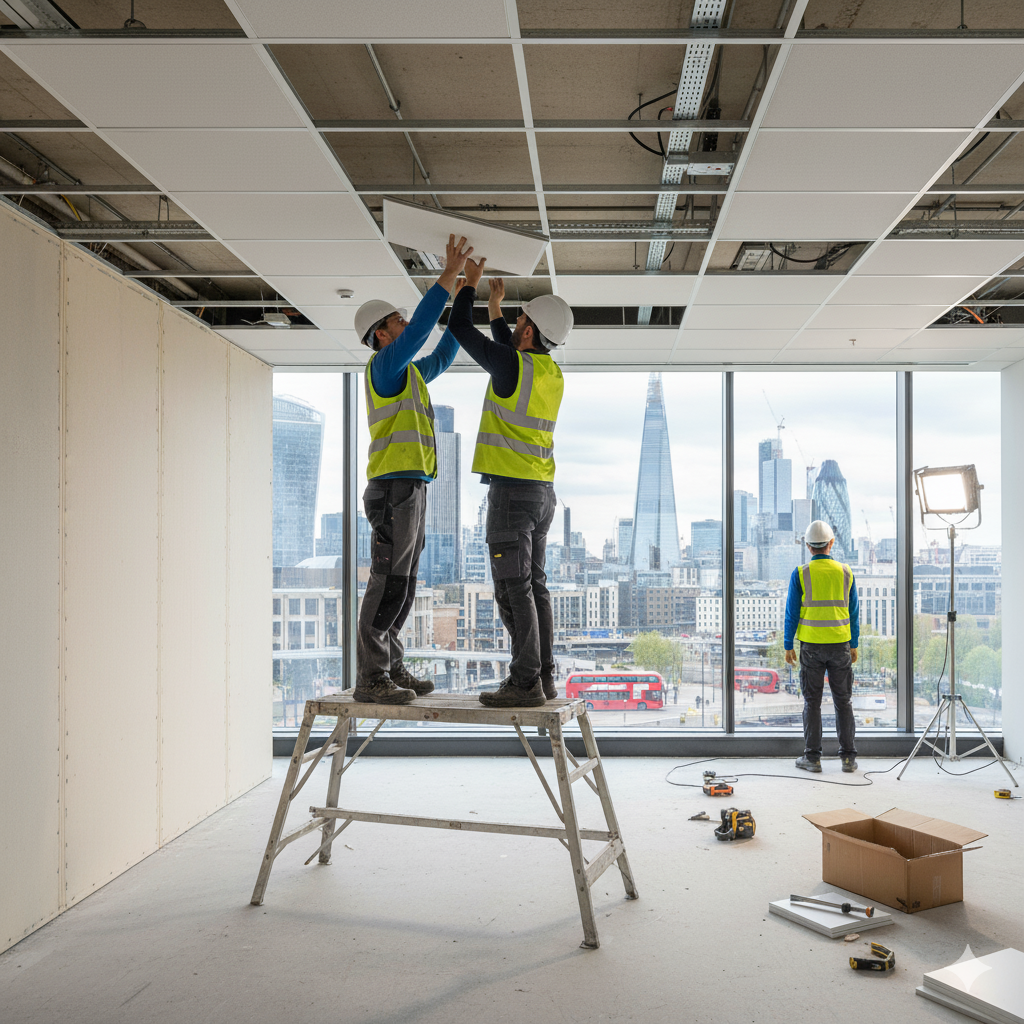
Utilising dry lining for thermal efficiency is the most common method for internal retrofits in the UK. This involves fixing insulation boards directly to the inner face of external walls, followed by a plasterboard finish.
In 2026, we utilise high-performance PIR (polyisocyanurate) or phenolic foam boards that offer superior thinness-to-insulation ratios. This is vital in London and Manchester properties where every centimetre of internal floor space is at a premium.
Modern Dry Lining Techniques
- Dot and Dab with Thermal Boards: A quick method using adhesive dabs, though it requires a continuous ribbon of adhesive to prevent air bypass.
- Timber or Metal Stud Frames: Creating a cavity for thicker insulation layers, ideal for uneven solid stone walls common in the Cotswolds.
- Mechanical Fixing: Using specialist thermally broken fasteners to eliminate cold bridging through the structure.
When undertaking these works, it is often the perfect time to consider professional loft conversions. This allows for a holistic approach to the building’s thermal envelope from the roof down to the ground floor.
Analysing Internal Wall Insulation Costs in 2026
Understanding internal wall insulation costs is vital for project budgeting in the current economic climate. In 2026, material costs have stabilised, but the demand for skilled installers remains high across the South East.
On average, homeowners should budget between £85 and £125 per square metre for a professional installation. This price includes high-specification vapour control layers (VCLs) and the necessary finish to a ‘decorator-ready’ standard.
Factors Influencing Your Budget
* Material Choice: Phenolic boards are more expensive than PIR but offer better U-values at thinner profiles.
* Wall Preparation: Removing old lime plaster or repairing damp issues can add significant labor time.
* Service Relocation: Moving radiators, electrical sockets, and skirting boards adds to the overall project complexity.
Reducing Energy Bills with Insulation: The ROI
Reducing energy bills with insulation is the primary driver for most UK homeowners today. A well-executed internal wall insulation project can reduce heat loss through walls by up to 65%.
In a typical three-bedroom semi-detached home, this translates to annual savings of over £600 at 2026 energy prices. Furthermore, the improved thermal mass of the building keeps the interior cooler during increasingly frequent UK summer heatwaves.
Long-Term Financial Benefits
* Immediate Savings: Lower monthly utility bills from the first day of installation.
* Maintenance Reduction: Preventing interstitial condensation protects the building fabric from rot and decay.
* Grant Eligibility: Many 2026 government schemes require Part L compliance to unlock decarbonisation funding.
Managing Vapour and Condensation Risks
A major concern with internal wall insulation Part L UK compliance is the movement of moisture. When you insulate internally, the original masonry wall becomes colder, increasing the risk of condensation between the insulation and the brickwork.
To mitigate this, we employ intelligent vapour membranes that allow the building to ‘breathe’ in summer while blocking moisture in winter. This technical precision is why hiring expert tradespeople is non-negotiable for high-end residential projects.
Essential Vapour Control Steps
* Moisture Probes: Conducting wall moisture tests before installation to ensure the substrate is dry.
* Sealing Gaps: Using expanding foam and specialist tapes around joist ends and service penetrations.
* Ventilation Integration: Ensuring that as we tighten the building, we maintain adequate airflow via dMEV or MVHR systems.
If your project involves complex structural alterations, consulting with structural engineering experts is advised. They ensure that adding insulation layers does not negatively impact the loading or moisture paths of heritage timber frames.
Selecting the Right Materials for 2026
Innovation in 2026 has brought sustainable materials to the forefront of the UK construction industry. While PIR remains popular, wood fibre boards and hemp-based insulation are gaining traction for their carbon-sequestering properties.
These natural materials often offer better breathability, making them ideal for traditional London stock brick properties. They help regulate humidity naturally, creating a healthier indoor living environment for modern families.
Material Comparison Checklist
- PIR/Phenolic: Best for space-saving; high thermal resistance; requires strict vapour control.
- Wood Fibre: Excellent thermal mass; vapour open; high acoustic insulation properties.
- Aerogel: Extremely expensive but provides the highest insulation for the thinnest possible profile.
Conclusion: Future-Proofing Your UK Property
Adhering to internal wall insulation Part L UK standards is a strategic investment in your property’s longevity. By focusing on u-value requirements 2026 and professional dry lining for thermal efficiency, you ensure a home that is warm, legal, and valuable.
The cost of inaction is far higher than the internal wall insulation costs of today. Start your journey toward a Net Zero home by integrating high-performance thermal solutions into your next renovation or extension project.