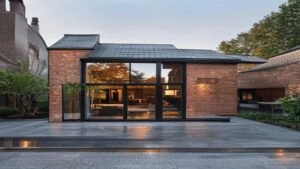
House Extension Costs UK 2026: A Definitive Guide
Navigating house extension costs UK 2026 requires an understanding of the current economic landscape and new building standards. As we move deeper into 2026, homeowners must balance high-end design with strict sustainability requirements.
Investing in your home remains a primary strategy for increasing property value across London and the South East. However, precise budgeting is more critical than ever due to shifting material prices and labor availability.
Understanding Extension Cost Per M2 in 2026
For 2026, the average extension cost per m2 has stabilised but remains higher than previous decades. Most homeowners should budget between £2,200 and £4,000 per square metre depending on the specification.
Basic brick-and-mortar builds sit at the lower end of this scale. Premium projects featuring bespoke glazing or sustainable tech often exceed the £4,500 mark.
Whether you are planning a simple rear addition or complex house extensions, professional cost estimation is your first step. It is essential to account for regional variations, especially in high-demand areas like Manchester or the Cotswolds.
Impact of Construction Inflation 2026
While the extreme volatility of the early 2020s has subsided, construction inflation 2026 continues at a steady pace. Supply chain resilience has improved, but the cost of specialised ‘Net Zero’ materials remains elevated.
Labour shortages in skilled trades like heat pump installation and timber framing also influence your total project spend. Planning your procurement early can help lock in prices and mitigate the risk of mid-project increases.
Key Factors Influencing UK Renovation Prices
Modern UK renovation prices are heavily influenced by the 2026 Building Regulations, specifically Part L and Part O. These regulations demand superior thermal performance and advanced ventilation systems to prevent overheating.
* Material Selection: Sustainable options like hempcrete or recycled steel often carry a premium price tag.
* Site Complexity: Access issues in dense urban areas like London can increase logistics costs by 15%.
* Smart Integration: Incorporating AI-driven energy management systems is now a standard expectation for modern extensions.
* Glazing Standards: High-performance triple glazing is almost mandatory to meet current thermal efficiency benchmarks.
If you are considering a major overhaul, our home renovation services provide the expertise needed to navigate these complexities. Detailed site surveys are vital to avoid hidden costs related to drainage or foundations.
Creating Your 2026 Building Budget Planner
A robust building budget planner must be comprehensive and include a significant contingency fund. We recommend a 15% contingency for 2026 projects to cover unforeseen structural or regulatory requirements.
Regional Price Breakdown for 2026
Location remains the biggest variable in house extension costs UK 2026. London continues to lead the market with the highest prices, while northern regions offer more competitive rates.
* London & South East: £2,800 – £4,500+ per m2.
* Midlands & South West: £2,200 – £3,500 per m2.
* North of England & Scotland: £1,900 – £3,000 per m2.
Choosing the right main contractor is crucial for managing these regional nuances. Experienced contractors will have established local supply chains that can reduce overall logistics costs.
Sustainable Technologies and Their Costs
In 2026, the ‘Future Homes Standard’ means every extension must be future-proofed. This shift has changed how we calculate the long-term value of a project versus its initial capital cost.
* Air Source Heat Pumps (ASHPs): Now the standard for new extensions, costing between £8,000 and £14,000 installed.
* Solar PV and Battery Storage: Integrated roof tiles or panels add approximately £5,000 – £9,000 to the budget.
* MVHR Systems: Mechanical Ventilation with Heat Recovery is essential for airtight, energy-efficient extensions.
Navigating Planning and Building Regulations
Permitted Development rights still exist, but they are increasingly scrutinised for design quality and environmental impact. Ensure your design complies with the 2026 updates to Part O, which focuses on mitigating solar gain in highly glazed areas.
* Check if your property is in a Conservation Area or AONB.
* Verify if a Party Wall Agreement is required with your neighbours.
* Ensure your structural engineer has accounted for 2026 seismic and thermal bridging standards.
Final Checklist for Your 2026 Extension
Before breaking ground, ensure you have ticked every box in your project preparation list. A methodical approach prevents the most common causes of budget overruns and timeline delays.
* Obtain at least three detailed quotes based on a full technical specification.
* Confirm your contractor has valid public liability and all-risk insurance.
* Verify that all materials meet the latest BSI sustainability certifications.
* Schedule regular site meetings to monitor progress against the building budget planner.
By following this guide to house extension costs UK 2026, you can embark on your project with confidence. The combination of smart planning and professional oversight ensures a high-quality, value-adding result.