
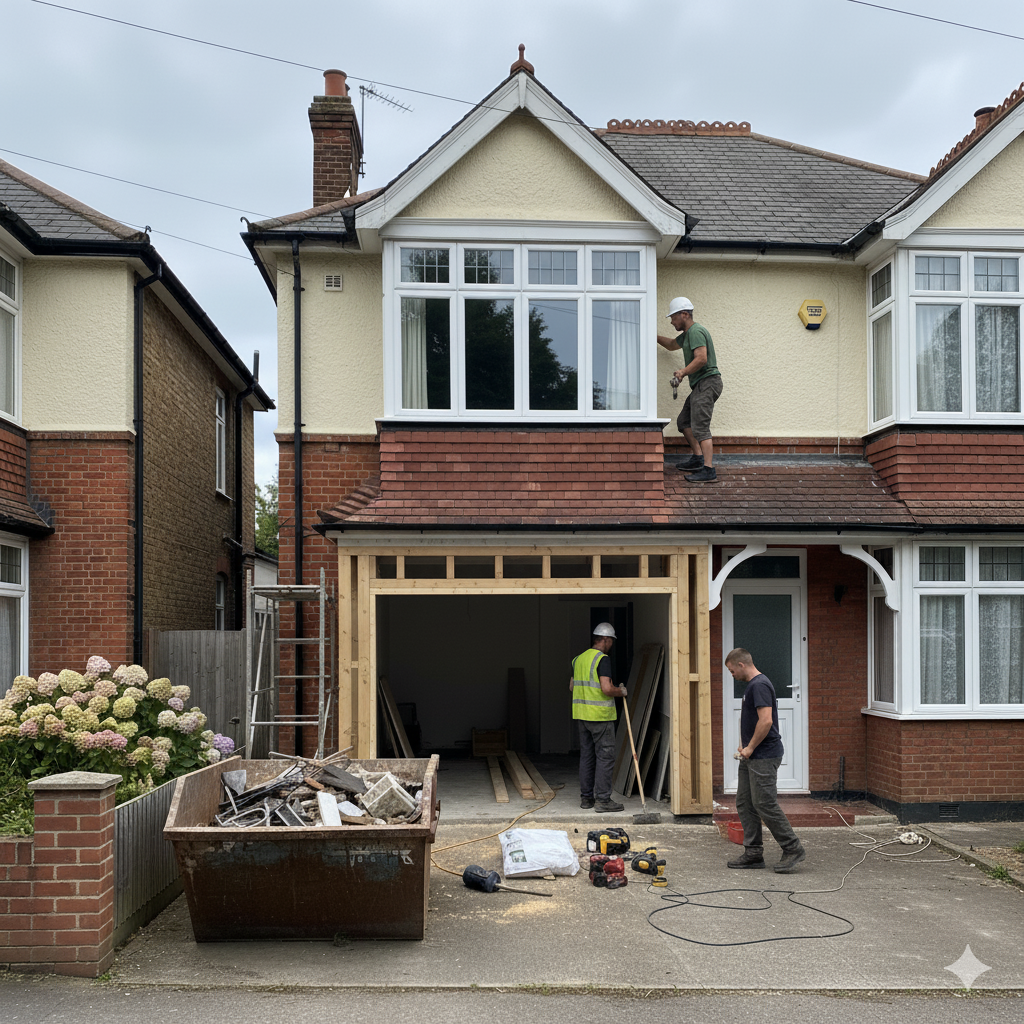

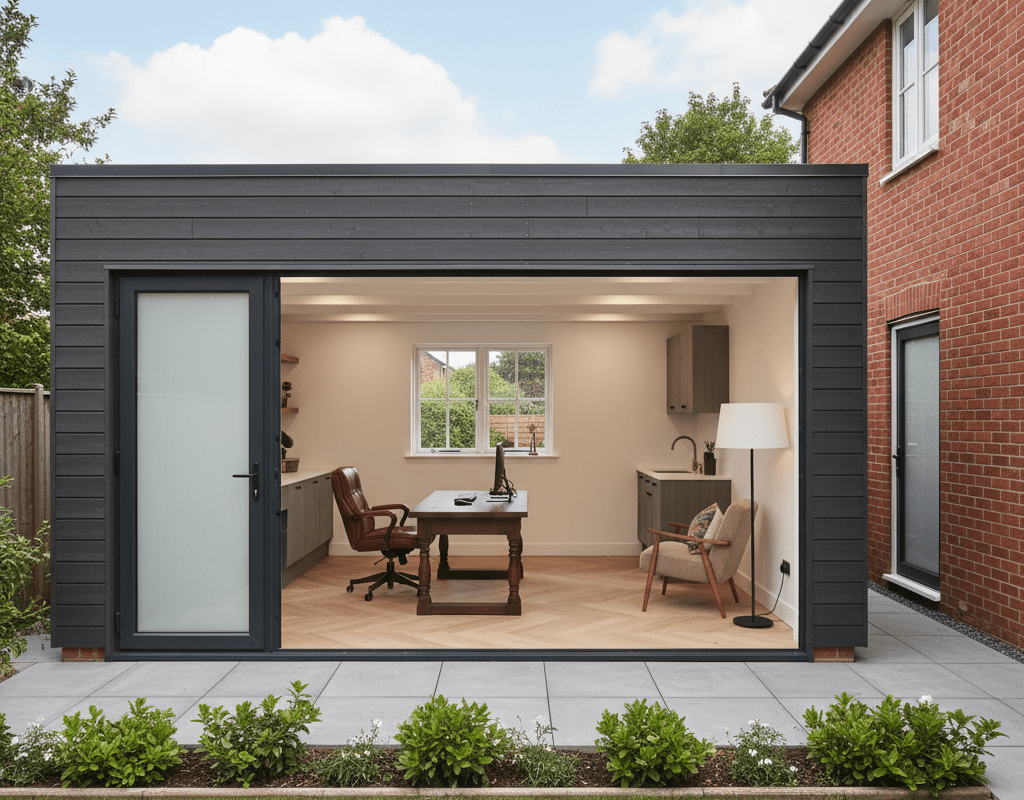


The Ultimate Guide to a Garage Conversion to EPC C Home Office in 2026
Converting underutilised space into a high-performance workspace is the leading UK home improvement trend of 2026. As the Future Homes Standard now dictates residential efficiency, a Garage Conversion to EPC C Home Office has become a priority for homeowners.
Achieving an EPC rating of C or above is no longer just about comfort; it is a financial necessity. This guide outlines how to navigate 2026 building regulations while creating a premium professional environment.
Why Target EPC C for Your Garage Office?
The UK government’s latest mandates require landlords and homeowners to prioritise thermal efficiency. A garage conversion that meets these standards significantly increases property resale value in the current market.
Beyond valuation, an energy-efficient workspace reduces monthly utility overheads during a period of fluctuating energy costs. Proper insulation ensures your office remains productive during both humid summers and freezing British winters.
Navigating the 2026 Future Homes Standard
Since the 2025 implementation of the Future Homes Standard, all new garage conversions must meet strict carbon reduction targets. This includes a total ban on new gas boiler connections for converted spaces.
Your garage conversion must now utilise low-carbon heating solutions like air-source heat pumps or infrared heating panels. Compliance with Part L of the Building Regulations is essential to sign off your project.
Essential Garage Conversion Insulation 2026 Techniques
To hit an EPC C rating, standard glass wool insulation is no longer sufficient for modern garage structures. We recommend high-performance PIR boards or spray foam insulation to minimise thermal bridging across the floor and walls.
Floor Insulation Requirements
Most existing garage floors are cold concrete slabs that lack a damp-proof membrane (DPM). You must install a floating floor system featuring at least 100mm of high-density rigid insulation.
Wall and Roof Thermal Barriers
Garage walls are typically single-skin brickwork, which offers poor thermal resistance. We suggest building an internal timber stud frame with a 50mm air gap to prevent moisture buildup and heat loss.
Landlord EPC C Renovation Tips for 2026
For investors, the ‘Minimum Energy Efficiency Standards’ (MEES) are stricter than ever. If you are converting a garage for a rental property, focusing on ‘fabric first’ is the most cost-effective strategy.
* Upgrade Glazing: Install triple-glazed aluminium or uPVC windows with a U-value of 0.8 or lower.
* LED Lighting: Only install smart LED arrays with motion sensors to reduce wasted electricity.
* Heat Recovery: Use dMEV (decentralised Mechanical Extract Ventilation) to maintain air quality without losing heat.
Integrating these features into your house extensions or garage projects ensures long-term compliance and tenant satisfaction.
Designing a Smart Garage Home Office
A smart garage home office in 2026 is defined by its connectivity and automated environmental controls. Integrating Matter-enabled smart devices allows for seamless control over lighting, heating, and security.
Consider installing a dedicated sub-consumer unit to handle the load of high-end computing and smart infrastructure. Structured cabling (Cat6a or Cat8) remains superior to Wi-Fi for professional-grade video conferencing stability.
Key Smart Features to Include:
Costs and ROI of Energy Efficient Garden Rooms and Offices
In 2026, the average cost for a high-spec garage conversion ranges from £18,000 to £30,000. While energy-efficient garden rooms offer an alternative, converting an existing garage is often 30% cheaper due to existing foundations.
The ROI for a Garage Conversion to EPC C Home Office is currently estimated at 10-15% of the total property value. This makes it one of the most profitable loft conversions or conversion alternatives available today.
Sustainable Material Selection
Sustainability is the cornerstone of 2026 construction. Use timber from FSC-certified sources and prioritise low-VOC (Volatile Organic Compound) paints for your interior finish.
Recycled aluminium frames for bifold doors are a popular choice for their longevity and circular economy credentials. These materials help achieve the ‘Green Home’ status that many UK buyers now actively seek.
Technical Checklist for EPC Compliance
Before starting your build, ensure your contractor follows this technical checklist to guarantee a C rating or higher:
* Airtightness: Use Vapour Control Layers (VCL) on the warm side of the insulation to prevent draughts.
* Cold Bridge Prevention: Ensure insulation is continuous between the floor, walls, and roof.
* Ventilation: Install trickle vents or a heat recovery system to meet Part F requirements.
* Renewables: Consider a small-scale solar PV array on the garage roof if the orientation is south-facing.
Conclusion: Future-Proofing Your Workspace
A Garage Conversion to EPC C Home Office is a strategic investment in the 2026 UK property market. By prioritising the Future Homes Standard and smart technology, you create a space that is both sustainable and highly functional.
Professional planning and the right materials are the keys to avoiding the ‘performance gap’ in thermal efficiency. Start your journey toward a Net Zero workspace today by consulting with accredited UK tradespeople.