



The Ultimate Guide to an Eco-friendly Kitchen Renovation in the UK (2026 Edition)
Undertaking an eco-friendly kitchen renovation in the UK has transitioned from a niche design choice to a fundamental requirement for modern homeowners. As we navigate the stringent requirements of the 2026 Future Homes Standard, prioritising sustainability is now the most effective way to future-proof your property value.
In-Hire is at the forefront of this green revolution, providing expert guidance on how to merge luxury aesthetics with carbon-neutral construction techniques. Whether you are planning a massive house extension or a focused internal remodel, your choices today will define your home’s thermal efficiency for decades.
Why Sustainability is the 2026 Standard for UK Kitchens
The UK construction landscape has shifted significantly this year, with a massive emphasis on reducing embodied carbon and operational energy. Selecting the right materials and technologies ensures your renovation complies with updated Part L building regulations while significantly lowering utility bills.
Eco-friendly kitchen renovation in the UK is no longer just about bamboo flooring; it is about holistic energy management and circular economy principles. By choosing local suppliers and reclaimed materials, you are actively contributing to the UK’s Net Zero targets.
Selecting Sustainable Kitchen Cabinets in the UK
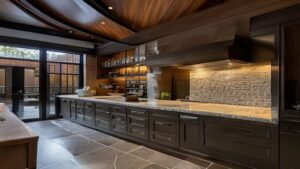
When sourcing sustainable kitchen cabinets in the UK, the focus has moved towards FSC-certified timbers and innovative bio-resins. Traditional MDF is being replaced by high-density fibreboard made from agricultural waste, which offers superior durability and zero formaldehyde off-gassing.
If your project involves structural changes to accommodate a new layout, consider our professional loft conversions to create additional vertical space for open-plan living. Integration between floors allows for better natural light distribution, reducing the need for artificial lighting.
The Rise of Recycled Worktop Materials
Surface technology has advanced rapidly, with recycled worktop materials now outperforming traditional granite and quartz in both heat resistance and stain-proofing. These surfaces often utilise up to 90% recycled glass, porcelain, or even post-consumer plastic waste bound in ultra-durable bio-polymers.
Smart Kitchen Technology 2026: Efficiency Meets AI
Smart kitchen technology 2026 is defined by AI-driven energy optimisation that syncs with the UK national grid’s pricing tiers. Appliances now communicate with your smart meter to run energy-intensive cycles during periods of high renewable energy availability.
Integrating Water-saving Bathroom Fixtures and Kitchen Taps
While focusing on the kitchen, many UK homeowners are extending their eco-efforts to adjacent utility rooms or cloakrooms. Implementing water-saving bathroom fixtures is a logical step when upgrading your home’s plumbing infrastructure.
Structural Efficiency and Thermal Performance
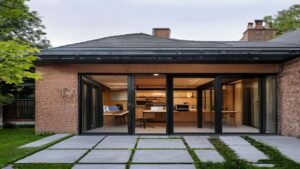
An eco-friendly kitchen renovation in the UK must address the building envelope to be truly effective. If your kitchen is part of a new extension, ensuring high-performance glazing and airtightness is critical for thermal retention.
Cost Considerations for 2026 Green Renovations
While the initial investment in sustainable materials can be 10-15% higher than traditional options, the long-term ROI is undeniable. With UK energy prices remaining volatile, the reduction in operational costs typically sees the