


Eco-friendly Kitchen Renovation 2026: The Definitive Guide to Sustainable Design
Starting an eco-friendly kitchen renovation 2026 is no longer just a lifestyle choice; it is a requirement for modern UK homeowners. With the full implementation of the Future Homes Standard this year, carbon reduction is the primary focus of every high-end build.
Today’s sustainable kitchens combine cutting-edge technology with traditional craftsmanship to create spaces that are both beautiful and carbon-neutral. Whether you are planning a house extension or modernising an existing space, sustainability should be your foundation.
Why Sustainability Defines UK Kitchens in 2026
The UK construction landscape has shifted significantly toward circular economy principles over the last twenty-four months. Homeowners are now prioritising materials that offer long-term durability while minimising environmental impact during production.
Regulatory changes have also made energy efficiency a non-negotiable aspect of property valuation. An eco-friendly kitchen renovation 2026 ensures your home remains compliant with evolving Part L building regulations while reducing monthly utility costs.
The Impact of the Future Homes Standard
The 2026 building landscape is dominated by the requirement for low-carbon heating and superior thermal envelopes. This means your kitchen design must integrate seamlessly with heat pumps and high-performance ventilation systems.
If your project involves a loft conversion to create an open-plan kitchen-diner, ensuring airtightness and thermal bridging prevention is essential. Modern UK building inspectors now require rigorous proof of material provenance and energy performance.
Low-Carbon Kitchen Surfaces and Innovations
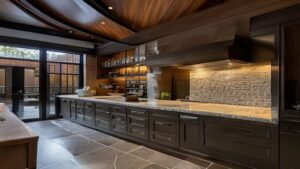
Selecting low-carbon kitchen surfaces is the most effective way to reduce the embodied carbon of your renovation project. Traditional granite and imported marble have been replaced by locally sourced or technologically advanced alternatives.
In 2026, the market has seen a surge in carbon-negative materials produced right here in the UK. These surfaces often utilise bio-based resins or carbon-capture technology to ensure the manufacturing process is net-positive.
* Pressed Paper Composites: These surfaces offer incredible heat resistance and a unique, tactile matte finish.
* Sintered Stone: Made from natural minerals, these slabs are fully recyclable and incredibly durable for busy family kitchens.
* Locally Quarrried Slate: Using Welsh blue slate reduces transport emissions significantly compared to overseas stone.
Recycled Material Worktops: Style Meets Substance
Recycled material worktops have become the gold standard for high-end London and Manchester kitchen designs. These worktops utilise post-consumer glass, ceramic shards, and even reclaimed porcelain to create stunning, bespoke finishes.
Technological advances in 2026 mean these surfaces are now completely non-porous and more scratch-resistant than traditional timber. They provide a high-end aesthetic while diverted tonnes of waste from UK landfills every year.
Key Benefits of Recycled Surfaces
- Unique Aesthetics: No two slabs are identical, providing a truly bespoke look for your home.
- Exceptional Durability: Modern resin-bonded recycled glass is harder than most natural stones.
- Low Maintenance: These surfaces require no sealing or specialized chemical cleaners to maintain their lustre.
When planning a garage conversion into a utility or kitchen space, these materials offer the perfect balance of cost and longevity. They reflect a commitment to the environment without compromising on the luxury feel of a professional renovation.
Sustainable Cabinet Joinery and Timber Choices
Sustainable cabinet joinery involves more than just picking a colour; it is about the core materials and the adhesives used. In 2026, UK craftsmen are moving away from traditional MDF, which often contains harmful formaldehydes.
Instead, we are seeing a massive shift toward FSC-certified birch plywood and reclaimed solid timbers. These materials are not only more robust but also allow for a ‘circular’ design where parts can be repaired rather than replaced.
* FSC-Certified Timber: Ensures the wood is harvested from forests that are managed responsibly.
* Natural Oil Finishes: Using plant-based oils instead of VOC-heavy lacquers improves indoor air quality significantly.
* Modular Construction: Designing cabinets that can be easily moved or repurposed reduces future waste.
Energy Star Appliances UK: The 2026 Standard
Energy Star appliances UK have become more sophisticated, with most 2026 models featuring AI-driven energy management. These appliances communicate with your home’s smart grid to run during periods of low carbon intensity.
Induction hobs have now completely overtaken gas as the preferred choice for eco-friendly kitchen renovation 2026. They are faster, safer, and eliminate the indoor air pollution associated with fossil fuel combustion.
Must-Have Smart Kitchen Tech
* Heat Pump Dishwashers: These units recycle heat from the wash cycle to dry dishes, using 50% less electricity.
* Smart Refrigeration: Advanced sensors reduce cooling power when the fridge is empty or during peak grid demand.
* Boiling Water Taps: Modern insulated tanks are now more energy-efficient than traditional electric kettles.
Lighting and Ventilation for Green Kitchens
Proper lighting design is crucial for an eco-friendly kitchen renovation 2026. Transitioning to ultra-efficient LED systems with smart dimming can reduce lighting energy consumption by up to 90%.
Ventilation is equally important, particularly in airtight homes built to the Future Homes Standard. Mechanical Heat Recovery Ventilation (MVHR) systems ensure your kitchen stays fresh while retaining up to 95% of the heat normally lost through extractor fans.
Budgeting for Sustainability in 2026
While the initial investment for sustainable materials can be 10-15% higher, the long-term savings are substantial. Reduced energy bills and the increased resale value of a ‘Green Certified’ home provide a significant return on investment.
In 2026, many UK lenders are offering ‘Green Mortgages’ with lower interest rates for homes that undergo certified eco-renovations. Always ensure your contractor provides full documentation of the sustainable materials used during the build.
2026 Kitchen Cost Checklist
* Material Sourcing: Budget for high-quality recycled surfaces early in the design phase.
* Labour: Skilled joiners experienced in sustainable methods may command a premium.
* Certifications: Ensure all appliances meet the latest 2026 Energy Star efficiency ratings.
Conclusion: Building for the Future
An eco-friendly kitchen renovation 2026 is an investment in your property’s future and the planet’s health. By choosing low-carbon kitchen surfaces and sustainable cabinet joinery, you create a space that is timeless and responsible.
At In-Hire, we specialise in connecting you with the professional tools and expertise needed for high-end UK construction. From extensions to full-scale remodels, we ensure your project meets the highest standards of the 2026 UK market.