


The Ultimate Guide to Eco-Friendly Kitchen Remodelling Cotswolds in 2026
Eco-Friendly Kitchen Remodelling Cotswolds has become the gold standard for homeowners seeking luxury combined with environmental responsibility. In 2026, the intersection of heritage aesthetics and Net Zero technology is more accessible than ever.
Whether you are refurbishing a honey-coloured stone cottage or a modern barn conversion, sustainable choices are now a regulatory requirement. Our experts at In-Hire explore how to balance high-end design with the planet’s health.
Why Sustainable Kitchens are the 2026 Standard
The UK’s commitment to Net Zero has fundamentally shifted how we approach house extensions. Modern homeowners in the Cotswolds are prioritising energy efficiency to combat rising costs and climate impact.
Sustainable remodelling is no longer a niche choice but a smart investment. It increases property value while significantly reducing the carbon footprint of your daily living.
The Rise of Circular Economy Kitchen Design
Adopting a circular economy kitchen design means choosing materials that can be reused, repurposed, or recycled at the end of their life cycle. This approach eliminates the ‘take-make-waste’ model traditional to construction.
In 2026, we see a surge in the use of modular cabinetry that can be easily repaired rather than replaced. This ensures your kitchen remains functional and stylish for decades to come.
Innovative Materials for Cotswold Kitchens
Selecting the right materials is the cornerstone of any Eco-Friendly Kitchen Remodelling Cotswolds project. We are seeing a shift away from imported stones towards locally sourced or engineered sustainable surfaces.
Recycled Kitchen Worktops and Surfaces
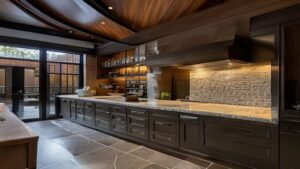
Recycled kitchen worktops made from post-consumer glass, paper composite, or reclaimed timber are leading the trend in 2026. These materials offer incredible durability without the environmental cost of quarrying new stone.
* Glass Composite: Stunning, non-porous surfaces made from crushed bottles.
* Paper Composite: Surprisingly hard-wearing surfaces made from recycled paper and resin.
* Reclaimed Oak: Perfect for maintaining the rustic charm of a Cotswold manor.
Water Efficiency and Smart Management
Water scarcity has become a pressing issue in the UK, leading to stricter Building Regulations Part G. Integrating smart water management is essential for any modern basement conversion or kitchen update.
Integrating Greywater Recycling Systems
Modern greywater recycling systems are now compact enough for residential kitchen use. These systems capture water from sinks and redirect it for garden irrigation or toilet flushing.
By installing these systems, you can reduce household water consumption by up to 40%. This is a vital component of any comprehensive eco-renovation in the South West.
High-Performance Fixtures
While often associated with washing areas, low flow bathroom fixtures and their kitchen equivalents are crucial for conservation. Aerated taps provide high pressure while using significantly less water per minute.
* Sensor Taps: Minimise water waste by only activating when hands are detected.
* Instant Boiling Taps: Reduce water waste from running the tap while waiting for heat.
* Flow Limiters: Easily installed to existing pipes to manage output.
Energy Efficiency and 2026 Regulations
The 2026 updates to Building Regulations Part L and Part O place heavy emphasis on thermal performance. Your kitchen remodelling must account for both heat retention in winter and cooling in summer.
Smart Home Integration
Smart sensors now monitor energy usage in real-time, allowing you to optimise appliance performance. This technology is a staple in high-end loft conversions and kitchen extensions across the Cotswolds.
Induction hobs have replaced gas as the preferred cooking method due to their 90% energy efficiency. They also improve indoor air quality, contributing to a healthier living environment.
The Cost of Eco-Friendly Remodelling in 2026
While initial outlays for sustainable materials can be 10-15% higher, the long-term ROI is undeniable. Energy savings and increased property desirability often offset these costs within five to seven years.
* Budget: £25,000 – £40,000 for mid-range eco-updates.
* Premium: £60,000+ for full circular design and smart integration.
* Incentives: Look for UK government grants for heat pump installations and insulation.
5 Steps to Your Eco-Friendly Kitchen
- Audit Existing Materials: Identify what can be refurbished or sold rather than sent to landfill.
- Source Locally: Choose Cotswold stone or UK-manufactured cabinetry to reduce transport emissions.
- Prioritise Insulation: Ensure walls and floors are insulated to 2026 Part L standards.
- Select A+++ Appliances: Only install the highest-rated energy-efficient technology.
- Plan for Waste: Designate space for multi-stream recycling and composting bins.
Conclusion: Building for the Future
An Eco-Friendly Kitchen Remodelling Cotswolds project is a testament to sustainable luxury. By prioritising the circular economy and smart technology, you create a space that is as kind to the environment as it is beautiful.
At In-Hire, we specialise in connecting you with the tools and expertise needed for high-standard UK construction. Start your journey toward a greener home today.