


Eco-Friendly Kitchen Remodeling UK: The 2026 Definitive Guide
Adopting eco-friendly kitchen remodeling UK practices is no longer a luxury choice for homeowners in 2026.
With the full implementation of the Future Homes Standard, sustainable renovations are now essential for maintaining property value and compliance.
The Shift to Net Zero Kitchen Design
Modern UK kitchen projects now prioritise carbon reduction and thermal efficiency above all else.
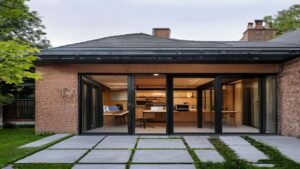
If you are planning a project, integrating sustainable kitchen extensions is the most effective way to improve your EPC rating.
Sustainable Kitchen Joinery and Materials
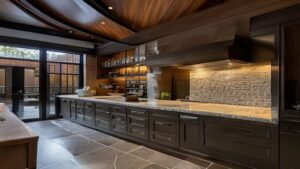
When sourcing cabinetry, look for sustainable kitchen joinery that utilises FSC-certified timber or reclaimed wood.
Avoid formaldehyde-based resins and prioritise water-based, VOC-free finishes to ensure high indoor air quality.
* FSC-Certified Timber: Sourced from responsibly managed forests across Europe.
* Reclaimed Oak: Adds historical character to Victorian or Georgian terrace properties.
* Bamboo Ply: A rapidly renewable resource that offers incredible durability.
Local UK craftsmen are increasingly using modular designs that allow for easy repair rather than full replacement.
This circular economy approach reduces waste and ensures your kitchen lasts for decades rather than years.
High-Performance Recycled Worktops UK
The market for recycled worktops UK has expanded significantly, offering aesthetics that rival natural stone.
Homeowners are now opting for surfaces made from post-consumer glass, crushed porcelain, and even recycled paper composites.
These materials are often paired with bespoke loft conversions where weight and sustainability are key structural considerations.
Smart Kitchen Appliances 2026 and Energy Metrics
In 2026, smart kitchen appliances 2026 are integrated directly into your home’s energy management system.
AI-driven ovens and refrigerators now communicate with the UK National Grid to operate during low-demand periods.
* Energy Monitoring: Real-time feedback on how much electricity each appliance consumes daily.
* AI Optimisation: Refrigerators that adjust cooling cycles based on your usage patterns.
* Induction Cooking: The gold standard for energy efficiency, outperforming gas by over 50%.
Choosing A+++ rated appliances ensures your kitchen remains compliant with 2026 Part L building regulations.
These units often pay for themselves through reduced utility bills within the first five years of operation.
Integrating Water Saving Bathroom Fixtures into Open-Plan Living
Many modern UK kitchen renovations now include a utility room or ground-floor cloakroom.
Installing water saving bathroom fixtures in these areas is crucial for meeting local water efficiency targets.
* Aerated Taps: Reduce water flow while maintaining high pressure for washing.
* Dual-Flush Systems: Now standard in all UK residential projects for maximum conservation.
* Greywater Recycling: Systems that repurpose kitchen waste water for garden irrigation.
Integrating these features during comprehensive property renovations ensures a holistic approach to sustainability.
Lighting and Thermal Efficiency Strategies
Lighting should focus on LED technology and smart sensors to minimise unnecessary electricity consumption.
Consider installing oversized triple-glazed windows to maximise natural light and reduce the need for artificial sources.
* Zoned Lighting: Separate circuits for task, ambient, and accent lighting.
* Daylight Sensors: Automatically dim lights when natural sunlight is sufficient.
* Thermal Blinds: Smart blinds that close during winter nights to retain internal heat.
Proper insulation behind kitchen cabinetry prevents cold bridges and protects your property from damp issues.
This is particularly important in older UK homes where moisture management is a constant structural challenge.
The Cost of Sustainable Kitchens in 2026
While material costs have risen, the long-term ROI of an eco-friendly kitchen remodeling UK project remains high.
Sustainable homes in London and the South East currently command a 10-15% premium on the open market.
* Standard Eco-Refurb: £15,000 – £25,000.
* Mid-Range Sustainable Kitchen: £25,000 – £45,000.
* Luxury Net-Zero Kitchen: £50,000+.
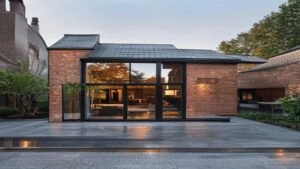
Investing in quality materials like anthracite zinc or characterful lime mortar finishes adds significant architectural appeal.
Always ensure your contractor is registered and understands the latest 2026 Part O overheating regulations.
Final Checklist for Your Eco-Remodel
Before starting your project, ensure you have ticked off these essential sustainability markers.
Consult with a professional to ensure your design meets both aesthetic goals and environmental standards.
Choosing a local expert will help you navigate the complexities of UK planning and building control.
Your kitchen is the heart of the home; make it a sustainable one for the future.