

Carbon-Neutral Dry Lining London: The 2026 Sustainability Standard
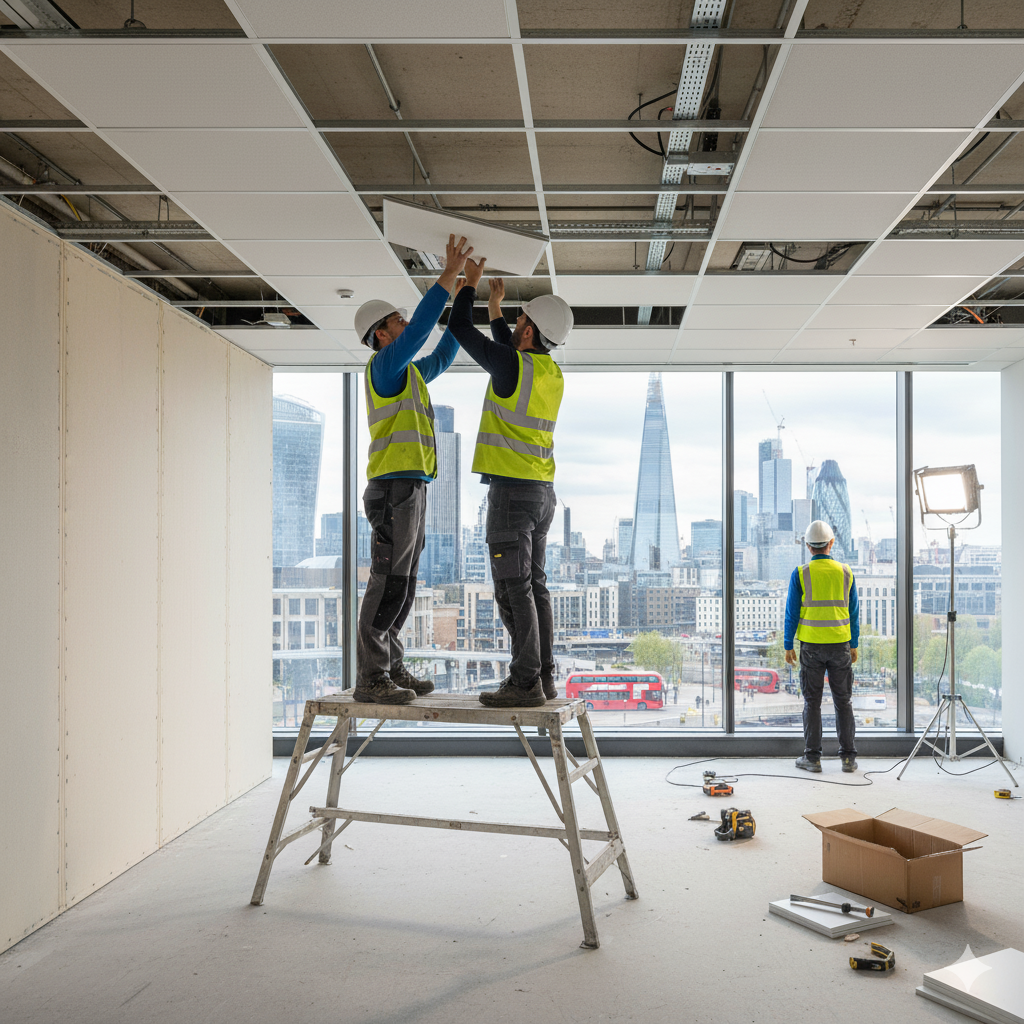
Achieving Carbon-Neutral Dry Lining London is now the primary objective for high-end developers and homeowners across the capital. As we move deeper into 2026, the construction landscape has shifted toward radical decarbonisation and occupant wellbeing.
Traditional plasterboard methods have been replaced by sophisticated, low-impact alternatives that align with Net Zero targets. These modern systems offer superior performance while ensuring your project meets the stringent requirements of the 2026 Building Regulations.
Why Carbon-Neutral Solutions Matter in 2026
The UK government has accelerated its commitment to the Future Homes Standard, making sustainable interiors a legal and ethical necessity. Carbon-neutral dry lining London reduces the embodied energy of your property significantly during the renovation or build phase.
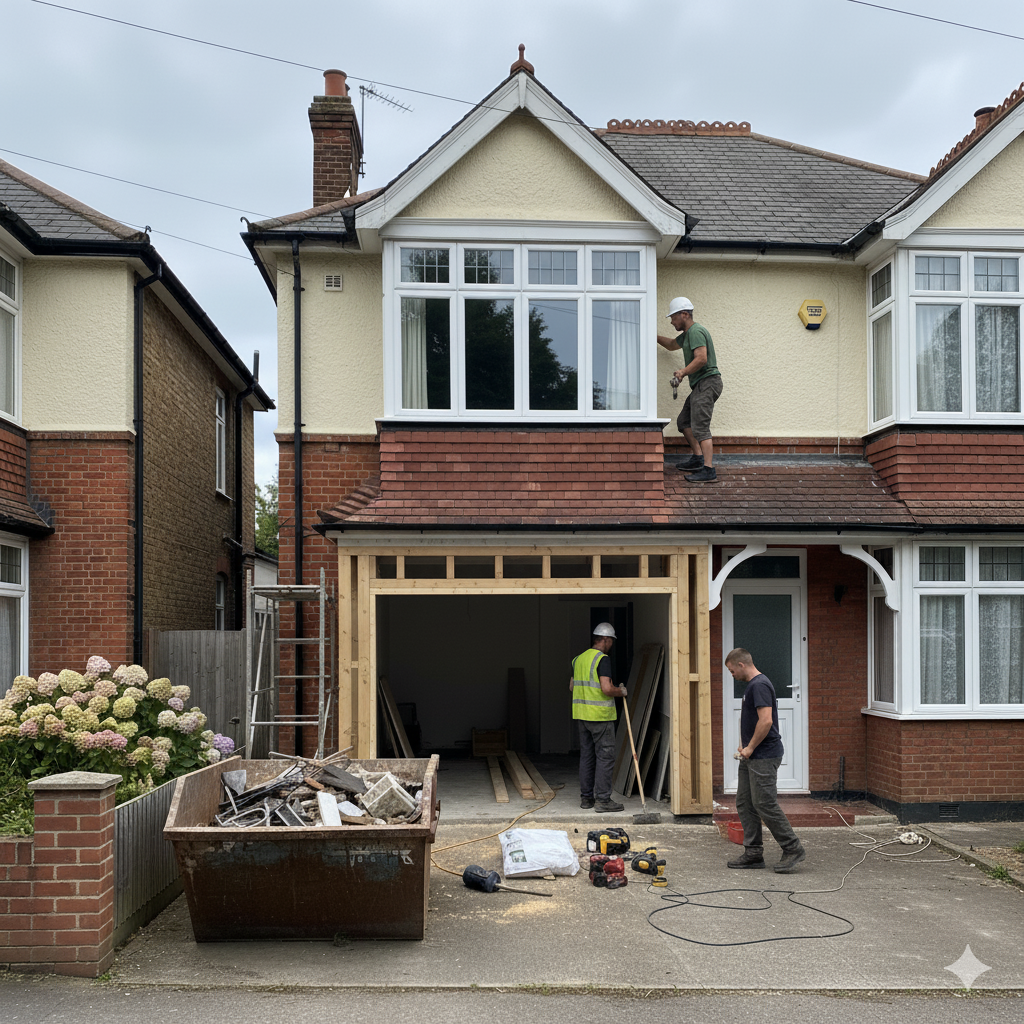
By selecting materials with a negative carbon footprint, such as hemp-based boards or recycled gypsum, you future-proof your asset value. For those planning extensive house extensions, integrating these systems is the most effective way to reach thermal efficiency goals.
Benefits of Sustainable Interior Systems
* Lower Embodied Carbon: Materials are sourced and manufactured with minimal environmental impact.
* Improved Air Quality: Using VOC free construction materials ensures a toxin-free living environment.
* Enhanced Longevity: Sustainable boards are often more resilient to moisture and structural movement.
* Regulation Compliance: Easily meet Part L and Part O 2026 updates regarding thermal and over-heating standards.
Breathable Wall Systems and Occupant Health
Breathable wall systems have become a non-negotiable feature for London’s heritage retrofits and new-build projects alike. These systems allow moisture vapour to pass through the building fabric, preventing the interstitial condensation often found in poorly ventilated Victorian terraces.
Utilising lime-based backers or clay boards creates a natural humidity regulator within your home. This approach is essential when undertaking basement conversions where moisture management is the highest priority for structural integrity.
Key Features of Breathable Systems
- Natural Humidity Regulation: Clay and lime materials absorb excess moisture and release it when the air is dry.
- Mould Prevention: By eliminating damp spots, these systems naturally inhibit fungal growth without chemical additives.
- Thermal Mass Benefits: Denser breathable boards provide better heat retention during winter months.
Advanced Acoustic Dry Lining Solutions
In the density of London, sound insulation is as critical as thermal performance for luxury living. Acoustic dry lining solutions now utilise bio-based damping compounds and high-density recycled fibres to achieve near-total silence between rooms.
Whether you are partitioning a home office or a cinema room, these high-spec systems exceed standard building codes. Integrating these solutions during loft conversions ensures that street noise and internal vibrations are completely mitigated.
Top-Tier Acoustic Components
* Mass-Loaded Vinyl (MLV) Alternatives: Recycled rubber or cork layers for impact sound reduction.
* Decoupling Channels: Metal or timber furring strips that break the path of sound waves.
* Acoustic Sealants: Eco-friendly caulks used to eliminate flanking noise at board joints.
Thermal Partitioning 2026: Meeting New Regulations
Thermal partitioning 2026 standards require a holistic view of heat loss within the internal layout of a building. Internal walls are no longer just dividers; they are active components in a property’s thermal envelope management.
By using vacuum-insulated panels (VIPs) or aerogel-infused dry lining, London homeowners can achieve incredible U-values without sacrificing precious floor space. This is particularly vital in central London boroughs where every square millimetre of internal space carries significant market value.
Thermal Performance Checklist
* U-Value Targets: Aiming for 0.15 W/m²K or better on internal-to-external wall linings.
* Thermal Bridge Mitigation: Using insulated fixings and specialized tape to prevent cold spots.
* Smart Sensor Integration: Embedding heat-flux sensors behind the dry lining to monitor real-time efficiency.
VOC Free Construction Materials: The Non-Toxic Choice
The shift toward VOC free construction materials is driven by a growing awareness of Indoor Air Quality (IAQ). Modern dry lining systems in 2026 avoid formaldehyde and synthetic resins commonly found in legacy building products.
Choosing plant-based binders and natural pigments for finishes ensures that your home remains a sanctuary. This is especially important for nurseries, bedrooms, and spaces where occupants spend the majority of their time.
Common Sources of VOCs to Avoid
- Standard Joint Fillers: Often contain chemical drying agents that off-gas for months.
- Synthetic Adhesives: Many solvent-based glues release harmful fumes into the ventilation system.
- Primers and Sealants: Traditional petroleum-based products are being replaced by silicate or water-based alternatives.
Cost Analysis of Sustainable Dry Lining in London
While the initial investment in carbon-neutral dry lining London might be 15-20% higher than traditional plasterboard, the long-term ROI is undeniable. Reduced energy bills and increased property premiums for ‘A’ rated EPC buildings far outweigh the upfront costs.
In 2026, the average cost for premium, sustainable dry lining installation in London ranges from £65 to £95 per square metre. This price includes high-performance boards, VOC-free finishing, and expert installation by certified green-build contractors.
Factor Affecting Project Costs
* Material Choice: Hemp and clay boards sit at the higher end of the price spectrum.
* System Complexity: Multi-layered acoustic or thermal partitioning requires more labour hours.
* Access and Logistics: Central London sites often incur higher delivery and waste removal fees.
The Future of Dry Lining: 2027 and Beyond
As we look past 2026, the integration of 3D-printed interior elements and circular economy ‘take-back’ schemes will become standard. Dry lining will move from a static product to a modular, recyclable system that can be upgraded with minimal waste.
In-Hire remains at the forefront of these technological shifts, ensuring our clients access the most advanced construction methods available. By choosing sustainable interior systems today, you are investing in the health and value of your property for decades to come.