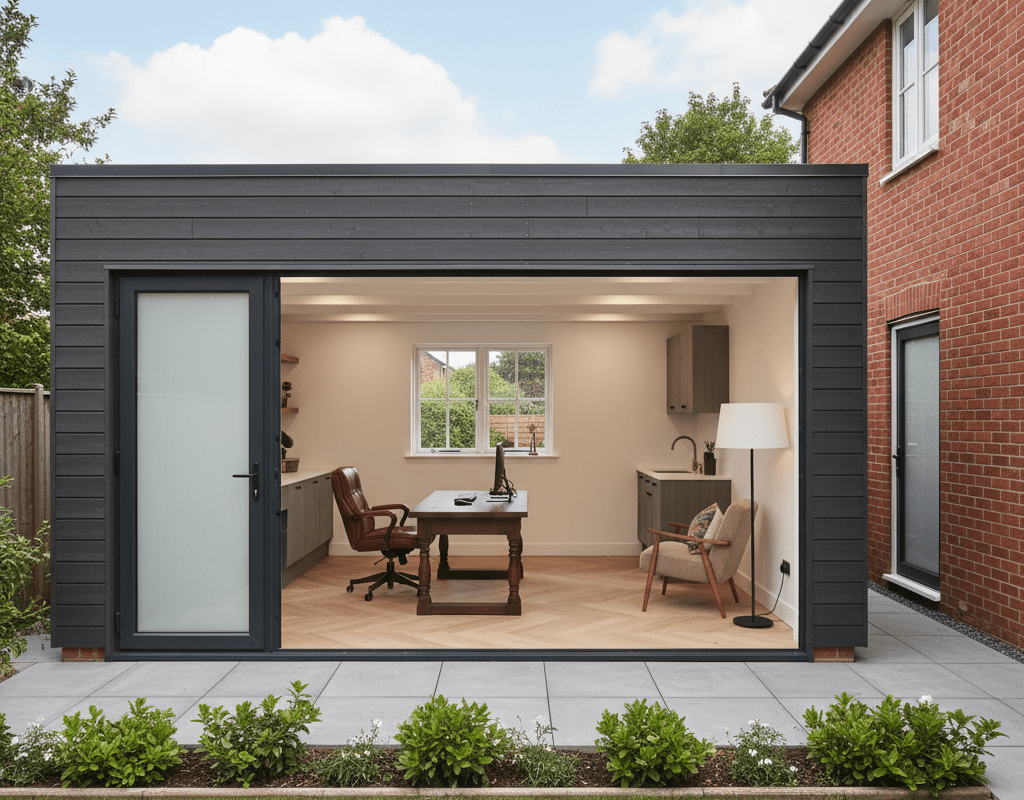


Understanding Biodiversity Net Gain Residential UK Requirements in 2026
Navigating the complex landscape of Biodiversity Net Gain residential UK regulations is now a mandatory reality for every homeowner in 2026. The shift towards ecological accountability ensures that any development, regardless of size, leaves the local environment in a measurably better state than before.
Professional developers and homeowners alike must now integrate a minimum 10% uplift in biodiversity into their project designs. Failing to account for these metrics during the initial design phase can lead to significant delays in the planning process.
The Evolution of UK Planning Permission 2026
Securing UK planning permission 2026 requires a sophisticated understanding of the Environment Act’s full implementation. The ‘Small Sites Metric’ has become the standard tool for assessing residential plots, including minor modifications and substantial renovations.
Local Planning Authorities (LPAs) now scrutinise biodiversity plans with the same intensity as structural integrity or thermal efficiency. You must demonstrate how your project protects existing habitats while creating new, high-quality ecological features.
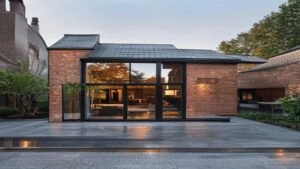
For those considering expanding their living space, our experts provide comprehensive house extensions services that align with these strict new environmental standards. We ensure your design incorporates the necessary ecological enhancements from day one.
Specific BNG Requirements for Extensions
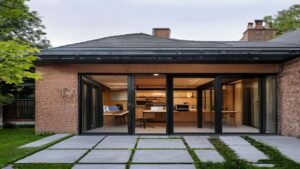
Many homeowners are surprised to learn that BNG requirements for extensions apply even to modest footprint increases. If your project impacts existing garden space, trees, or hedgerows, you must provide a biodiversity gain plan.
Key requirements for modern residential extensions include:
Innovative Green Roof Garage Conversion Strategies
One of the most effective ways to offset habitat loss is through a green roof garage conversion. By replacing a traditional bitumen or felt roof with a living ecosystem, you significantly boost your site’s biodiversity score.
These roofs do more than just look attractive; they provide essential cooling and rainwater attenuation. Sedum blankets or wildflower turf options are particularly popular for meeting the technical requirements of the 2026 Future Homes Standard.
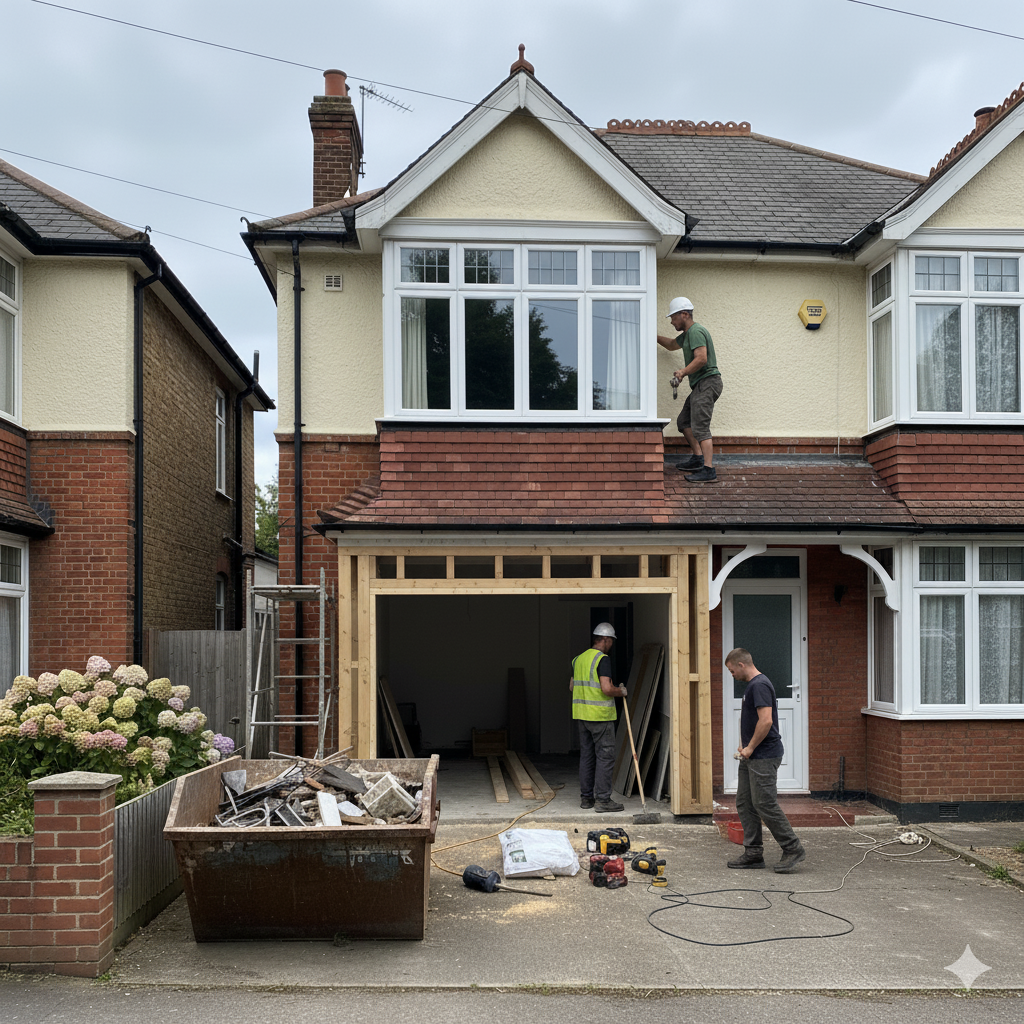
If you are planning to transform an underutilised space, our garage conversions team can help you design a structure that is both functional and ecologically beneficial. Modern membrane technology ensures these green roofs are completely leak-proof and durable.
Sustainable Groundworks and Permeable Paving Solutions
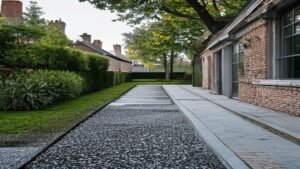
Surface water management is a critical component of the 2026 biodiversity framework. Traditional non-porous surfaces are increasingly discouraged in favour of advanced permeable paving solutions.
These systems allow rainwater to infiltrate the ground naturally, reducing the pressure on urban drainage systems. They also provide niche habitats for microorganisms and help maintain the natural water table.
Common materials for 2026 projects include:
Integrating Nature into Loft and Basement Projects
Even vertical developments must consider their impact on the local ecosystem. A loft conversion can incorporate swift bricks or insect hotels into the gable ends or dormer cheeks.
Basement excavations often require sophisticated landscaping at the lightwell level to maintain biodiversity. Using shade-tolerant native ferns and mosses can turn a functional light source into a thriving micro-habitat.
Managing the Costs of Biodiversity Compliance
In 2026, material costs for ecological enhancements have stabilised as supply chains have adapted to the high demand. While there is an upfront investment in ‘green’ materials, the long-term value added to the property is substantial.
Sustainable homes with high biodiversity ratings are now commanding a premium in the UK property market. Buyers are increasingly looking for homes that offer lower running costs and a tangible connection to nature.
Strategic Steps for Homeowners in 2026
The Role of Technology in Modern BNG Assessments
Artificial Intelligence and drone mapping have revolutionised how we measure Biodiversity Net Gain residential UK metrics. High-resolution imagery allows for precise calculation of habitat areas and condition scores.
These digital tools ensure that your planning application is backed by robust, indisputable data. This transparency speeds up the approval process and reduces the risk of costly appeals or redesigns.
Conclusion: The Future of UK Residential Development
The 2026 landscape for UK construction is defined by a harmonious balance between human habitation and ecological preservation. Biodiversity Net Gain is not just a regulatory hurdle; it is a blueprint for better living.
By embracing these standards, you are contributing to a nationwide effort to restore our natural heritage. Your home becomes part of a larger, living network that supports both your family and the local environment.