

Biodiversity Net Gain Residential UK: The 2026 Developer Guide
Navigating the latest legislation for Biodiversity Net Gain Residential UK projects is now a critical requirement for every homeowner. As of 2026, the Future Homes Standard and updated BNG mandates apply to almost every structural change.
Whether you are planning a modest renovation or a large-scale development, understanding these ecological metrics is essential. Our expert team ensures your project meets the statutory 10% gain while enhancing property value.
Why BNG Matters for Your 2026 Building Project
Biodiversity Net Gain (BNG) ensures that any new development leaves the natural environment in a measurably better state than before. For residential projects in the UK, this means calculating existing habitats and planning significant improvements.
In 2026, the focus has shifted toward high-quality, long-term ecological outcomes rather than mere ‘offsetting’ fees. Proper planning ensures your project contributes to the UK’s Net Zero goals and local nature recovery strategies.
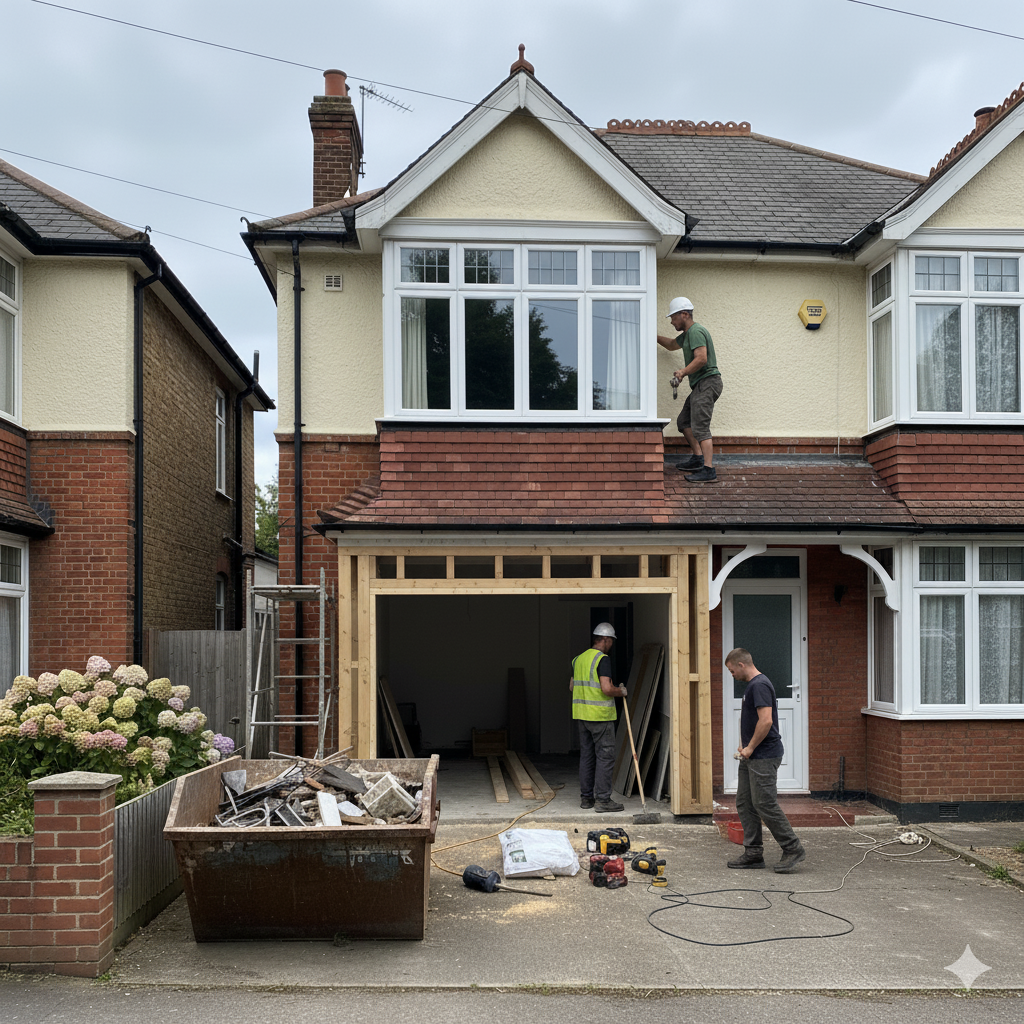
If you are considering a new project, visit our house extensions page to see how we integrate these green requirements into modern designs.
Navigating BNG for Small Sites in 2026
Managing BNG for small sites has become significantly more streamlined with the 2026 ‘Small Sites Metric’ updates. This simplified calculation tool allows homeowners to assess impact without the exhaustive surveys required for major developments.
Small-scale urban extensions must now prove they are supporting local flora and fauna through smart design. This often involves using native planting schemes or integrated nesting bricks within your new brickwork.
* Assess the site’s baseline habitat early in the design phase.
* Utilise the statutory small sites metric for faster approvals.
* Prioritise on-site enhancements to avoid costly off-site credits.
* Ensure 30-year management plans are realistic and cost-effective.
Planning Permission Biodiversity Requirements
Securing planning permission biodiversity approval is now the first hurdle for any UK residential development. Local Planning Authorities (LPAs) in regions like London and the Cotswolds now require a ‘Biodiversity Gain Plan’ at the point of submission.
Failure to provide a credible plan for a 10% gain can lead to immediate rejection or significant delays. We recommend consulting with an ecologist during the initial architectural drawing stage to align with LPA expectations.
Integrating ecological features early can actually speed up your application process. Learn more about our structural approach on our loft conversions service page to see how we maximise vertical space and green potential.
The Rise of the Green Roof Extension UK
A green roof extension UK style is one of the most effective ways to hit BNG targets on tight urban plots. These systems replace lost ground-level habitat with vibrant, elevated ecosystems that also provide excellent thermal insulation.
In 2026, intensive and extensive sedum roofs are frequently paired with high-performance anthracite zinc cladding. These systems manage rainwater runoff effectively while satisfying the Future Homes Standard’s cooling requirements (Part O).
- Choose a substrate depth that supports native UK wildflowers.
- Integrate solar PV panels with ‘biosolar’ systems for dual benefits.
- Ensure the structural frame is rated for the additional saturated weight.
- Select drought-resistant species to reduce long-term maintenance costs.
Living Wall Installation: Vertical Biodiversity Solutions
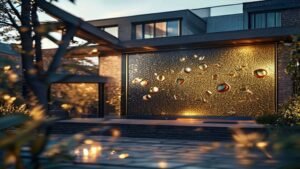
Where ground space is limited in cities like Manchester or Birmingham, a living wall installation offers a high-impact solution. These vertical forests can transform a simple boundary wall into a thriving biodiversity hotspot.
Modern 2026 systems utilize smart irrigation linked to greywater recycling, making them highly sustainable. They provide essential cooling for urban dwellings, significantly reducing the ‘urban heat island’ effect around your home.
When planning these features, consider the orientation of your property to ensure plant longevity. For comprehensive structural support for these heavy installations, explore our new builds expertise.
Material Choices and Sustainability in 2026
Achieving BNG goals is easier when you use materials that complement the natural environment. In 2026, we see a massive trend toward timber-frame construction and lime mortar for improved breathability.
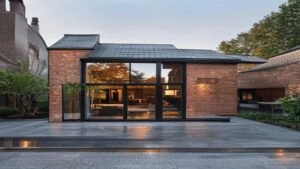
Using reclaimed London stock brick or Welsh blue slate helps your extension blend into the local heritage. These materials have lower embodied carbon, aligning your project with the broader environmental goals of BNG legislation.
* Low-carbon timber frames for rapid, eco-friendly assembly.
* Hempcrete or straw-bale insulation for superior carbon sequestration.
* Triple-glazed aluminium windows to meet strict Part L energy rules.
* Permeable paving to support groundwater recharge and soil health.
Cost Implications of BNG for UK Homeowners
While BNG requirements add to initial costs, they significantly increase the resale value of UK homes. Buyers in 2026 prioritise ‘green’ homes that offer lower running costs and better connection to nature.
On average, BNG compliance for a standard extension adds approximately 2% to 5% to the total build budget. This investment covers ecological reports, specialist planting, and the required 30-year monitoring period.
However, by avoiding ‘Biodiversity Credits’—which are expensive units purchased from the government—you can save thousands. Focus on high-quality on-site features like ponds, hedgerows, and nectar-rich gardens instead.
Summary of 2026 BNG Best Practices
Success in the current market requires a proactive approach to ecological design and construction. Start your project by identifying the highest-value habitat areas on your plot and protecting them during the build.
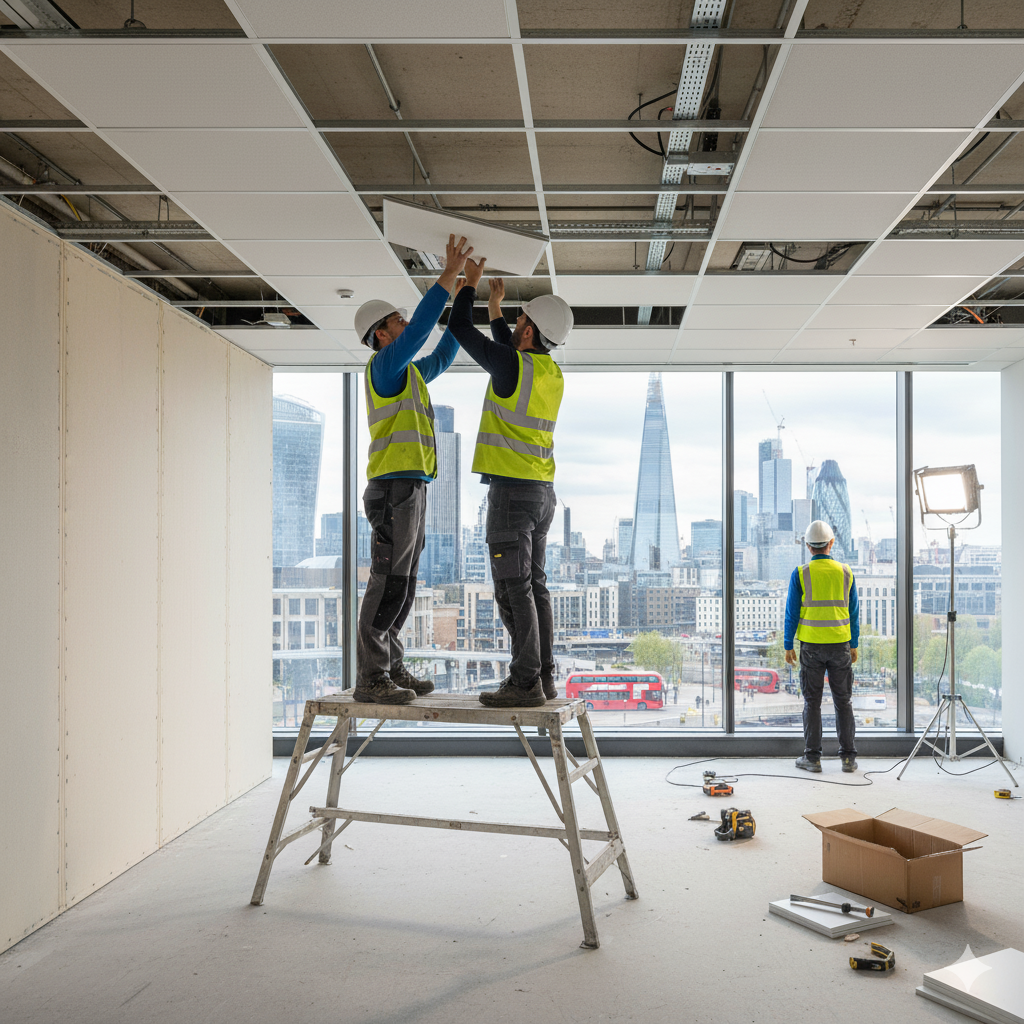
Collaborate with contractors who understand the nuances of the 2026 Building Regulations and BNG metrics. This ensures your home is not only beautiful but fully compliant with the UK’s world-leading environmental standards.
Remember to document every stage of your green installation for your final BNG compliance report. This documentation is vital for the legal discharge of your planning conditions upon project completion.